A 60-Day Deal That Nobody Has Actually Signed Yet
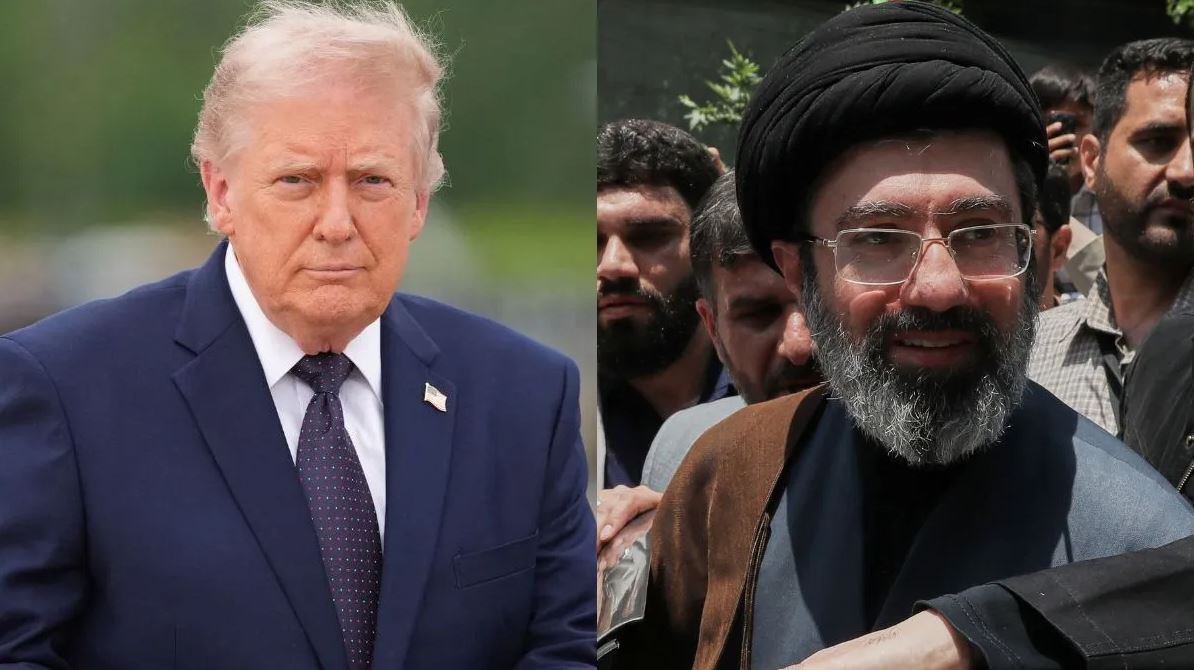
The US and Iran have reached a tentative deal to extend a ceasefire by 60 days and launch further talks on Tehran's nuclear program. President Donald Trump has yet to agree to the terms. Both countries have previously hailed progress, with Trump repeatedly indicating the US was close to securing an agreement, only for the standoff to drag on.
The two sides struck a deal on a 60-day memorandum of understanding to extend the fragile ceasefire and begin the reopening of the Strait of Hormuz. They will also commit to negotiating Iran's nuclear enrichment program and US sanctions. Iran will not impose tolls on commercial ships transiting the strait and will begin demining the waterway, through which 20 percent of the world's oil and gas flows. If commercial shipping is restored, the US Navy blockade will be removed.
The core problem is what the MOU does not cover.
Iranian officials warned they will only discuss nuclear-related clauses once negotiators cement the first phase of the tentative deal. The MOU is not expected to cover the enrichment of uranium in detail. Washington wants the opposite sequencing. That gap is not a technical footnote. It is the reason this deal keeps almost happening.
The situation on the ground reinforces why both sides want the ceasefire to hold, even as they argue over its terms:
- The war began in late February when the US and Israel launched joint strikes that killed Ayatollah Ali Khamenei, triggering a series of live-fire exchanges between Iran and Gulf state neighbours.
- Trump has demanded Iran dismantle the Natanz, Fordow, and Isfahan nuclear sites, which the US bombed after joining Israel's war against Iran in an earlier phase of the conflict.
- Despite a recent exchange of attacks, Vice President Vance said the ceasefire remains in place but that the US reserves the right to launch defensive strikes.
- US forces that moved to the region in recent months will withdraw only if a final agreement is reached, not as part of the 60-day MOU itself.
The Nuclear Stockpile Fight Is the Real Negotiation
Most coverage frames this as a ceasefire story. It is not. The ceasefire is the easy part. Both sides want to stop shooting. The hard part is what Washington is demanding before it lifts sanctions and what Tehran is willing to hand over.
Treasury Secretary Bessent insisted that any deal would need to meet Trump's demands that Iran turn over its highly enriched uranium and commit not to pursue a nuclear weapon, in addition to allowing free navigation through the strait. He also downplayed the likelihood of sanctions relief, telling reporters that things would go very slowly in terms of lifting them.
Tehran's position is clear. A senior Iranian source said Tehran has not agreed to hand over its highly enriched uranium stockpile, adding that the nuclear issue was not part of the preliminary agreement with the US.
Vice President JD Vance stated that the US core goal is an affirmative commitment from Iran that it will not seek a nuclear weapon and will not seek the tools that would enable it to quickly achieve one. In the February 2026 talks, divisions included the US demand that Iran end all nuclear enrichment activity, the future of its ballistic missile program, and the timing of sanctions relief.
Vance acknowledged the remaining gaps plainly: "There are a couple of issues on the nuclear stuff, the highly enriched stockpile, and also the question of enrichment. So we're going back and forth with them. We do think they're negotiating, at least so far, in good faith."
The standard analysis treats Iran's refusal to discuss its nuclear program in phase one as a stalling tactic. I think that reading is wrong. Tehran is doing exactly what any state would do when it holds its only remaining strategic card. Giving up enrichment capacity before sanctions are lifted would leave Iran with nothing to trade in phase two. The sequencing dispute is not obstruction. It is basic negotiating logic.
Pakistan Brokered This. The Gulf States Want More Than a Ceasefire
Talks between the US and Iran are being mediated by Pakistan, and issues under discussion include freedom of navigation through the Strait of Hormuz, Iran's nuclear and ballistic program, reconstruction and sanctions, and a long-term peace agreement.
Pakistan's role as mediator is the detail most Western coverage buries. Islamabad is navigating its own interests here, including its relationship with China, its need for Gulf state financing, and its desire to position itself as a credible diplomatic actor in a region it borders. The mediation is not neutral. It is strategic.
The UAE has been the most publicly critical, with its ambassador to the US saying that a simple ceasefire is not enough. The country called for the unconditional reopening of the Strait of Hormuz, for Iran to be held liable for reparations, and for a wide agreement curtailing Iran's support for armed groups in the region and its ballistic missile program. Saudi Arabia called for talks to address all issues contributing to Middle East instability over the past decades.
One senior official told reporters an agreement would not be signed on Sunday, saying the Iranian system did not move fast enough. The official said Washington understood Iran's Supreme Leader Ayatollah Mojtaba Khamenei had endorsed the broad template of the deal.
Endorsing a template is not signing an agreement. The gap between those two things is where wars restart.