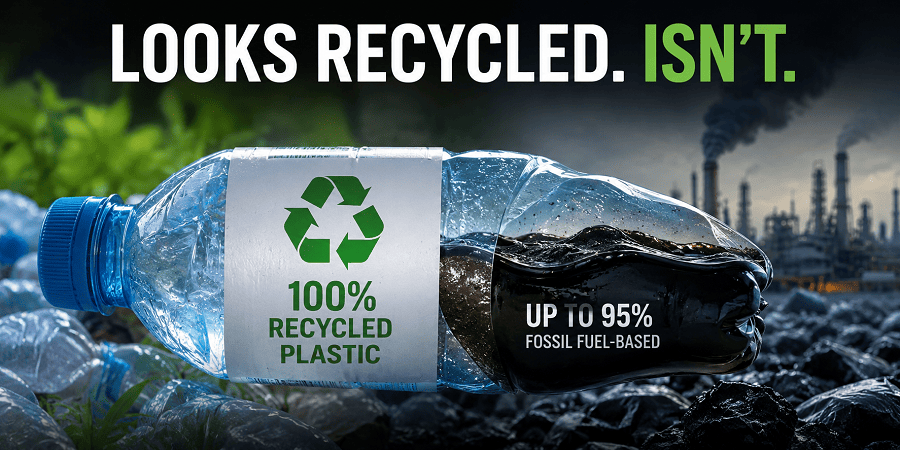
The word "recycled" has become one of the most powerful green credentials a consumer product can carry. It signals responsibility, circularity, and a reduced environmental footprint. But a wave of investigations published in early 2026 has revealed a troubling gap between what that label promises and what it actually delivers. Much of the recycled plastic being marketed across Europe is still overwhelmingly derived from fossil fuels, and some plastic described as recycled may contain as much as 95% petroleum-based material.
This is not a labeling technicality. It is a systemic failure that implicates some of the world's largest consumer brands, petrochemical companies, and the certification schemes that underpin their environmental claims.
How the Deception Works: Chemical Recycling and the Mass Balance Loophole
The Rise of Pyrolysis as a 'Green' Technology
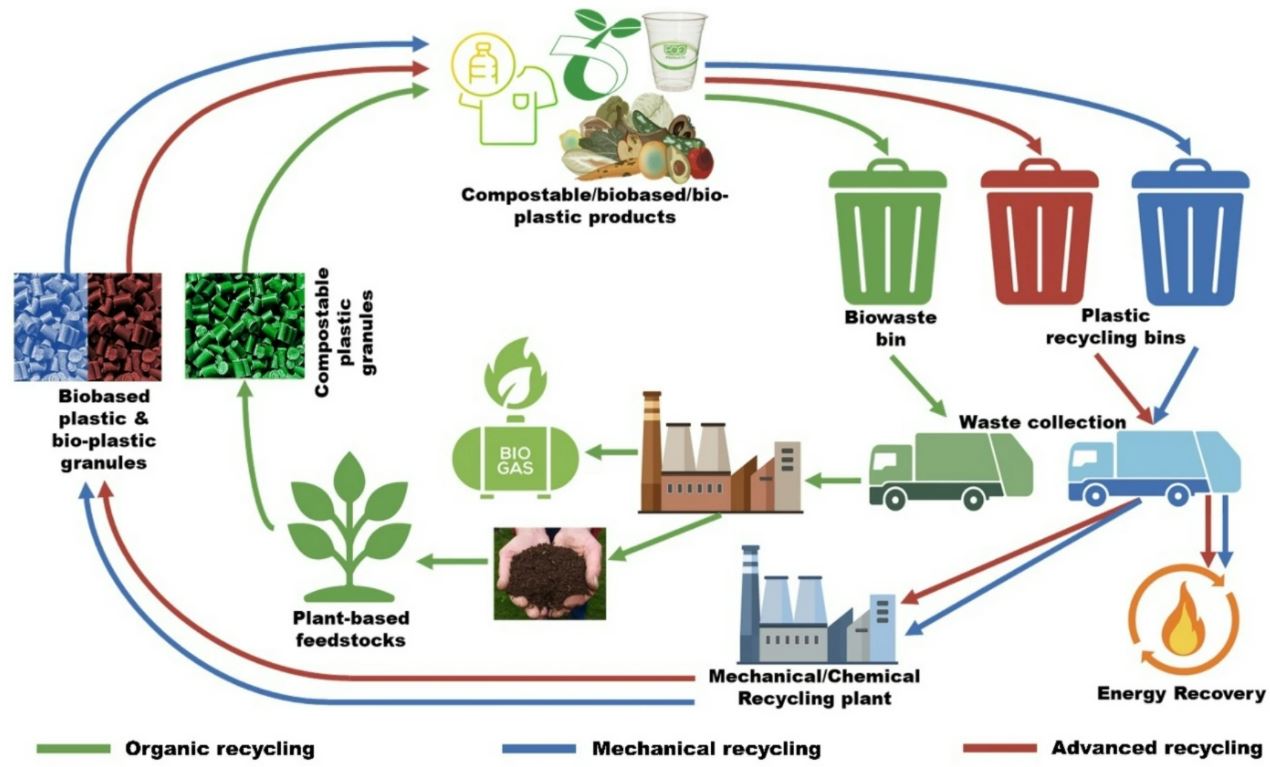
Chemical recycling, also known as advanced recycling, refers to a suite of recycling methods that use high heat and pressure to convert plastics into their chemical building blocks. The most common method, pyrolysis, produces a kind of oil that, after further refinement, can theoretically be turned into plastic consumer goods. Pyrolysis represents an attempt by the plastics industry to restore consumer confidence in recycling by promoting this supposedly cutting-edge reprocessing, which they say can handle mixed plastic waste and hard-to-recycle items like snack food wrappers and grocery bags.
The problem is that the technology does not deliver what the marketing suggests.
A 2023 study by scientists from the Department of Energy's National Renewable Energy Lab found that when pyrolysis is used to process plastic waste, only 0.1 to 6 percent of this plastic waste can become new plastic. NREL scientists also concluded that the economic and environmental metrics of pyrolysis and gasification are currently 10 to 100 times higher than virgin polymers, meaning it would be cheaper and environmentally preferable to make plastic from virgin fossil fuels than to use pyrolysis to turn plastic waste into new plastic products. What pyrolysis mostly produces is fuels, and fuel production and use do not constitute recycling.
Key facts about pyrolysis that brands do not advertise:
- It converts only a fraction of plastic waste into new plastic material.
- The resulting pyrolysis oil is too contaminated to be used directly.
- It must be diluted with virgin fossil-fuel-derived naphtha before it can be used.
- A 2023 report by Zero Waste Europe estimated that 5 to 20% of pyrolysis oil needs to be mixed with 80 to 95% virgin plastic material.
- Between 2021 and 2024, just three pyrolysis facilities processing plastic waste generated more than 2 million pounds of hazardous waste and shipped it off-site for disposal.
What Is Mass Balance Accounting?
Under the industry's nonproportional "free" mass balance credit scheme, you could have a feedstock that is 90 percent virgin fossil fuel and only 10 percent plastic waste material, which is used to create products marketed as 100 percent recycled content. In this scheme, plastic waste can be burned to fuel the pyrolysis process and yet be counted as being recycled, as can the creation of fuel products that will later be burned.
The plastics industry made up this highly misleading credit scheme. It is not being used in any other context. Allowing use of these schemes will lead to rampant greenwashing and further undermine public confidence in the recycling system.
The NRDC's director of plastics and petrochemical advocacy described it plainly. She called mass balance accounting a "deceptive greenwashing scheme" because it allows companies to say that their products contain more recycled content than they actually do.
Major Brands and the Corporate Paper Trail
From Supermarket Shelves to Legal Challenges
In September 2025, ClientEarth launched a court case against Nestle Poland for using misleading recycling claims on plastic water bottles. Bottles from one of Nestle's water brands carried claims such as "I am made from another bottle," "I am recyclable," and "made from 100% recycled plastic PET," which falsely portray plastic as circular and fully recyclable.
ClientEarth has also written a briefing arguing that all plastic recycling claims that give an impression of closed-loop circularity have the potential to mislead consumers about the environmental impact of plastic packaging, and that this is in breach of UK and EU consumer protection law.
The fashion sector has its own version of the same problem.
Major high-street brands including H&M, Primark, and Zara have been accused of greenwashing. The majority of companies examined, 85%, indicated they aim to achieve their recycled polyester targets by using polyester from downcycled PET bottles. Retailers like Nike, H&M, Primark, and Zara's parent group Inditex all rely on the practice of downcycling single-use plastic bottles to meet demand for synthetic polyester.
This is a critical distinction. Turning a plastic bottle into a polyester shirt does not return that material to the plastic supply chain. It removes it. The bottle can no longer be recycled into another bottle, degrading the value of the original material rather than preserving it.
Regulators Under Pressure from Industry Lobbying
Environmental groups including Greenpeace and Beyond Plastics urged the Federal Trade Commission, which is reviewing its policies on environmental marketing claims, to crack down on mass balance reporting, including the corporate practice of reallocating or spreading estimates of recycled content among multiple plastic manufacturing facilities. They called it a model that could lead to massive greenwashing through creative accounting.
The European Union is currently moving toward a regulatory framework that could formally recognize mass balance as an acceptable method to demonstrate recycled plastic content. If that happens, the legal scaffolding for "ghost recycling" will be legitimized at the highest regulatory level.
What Consumers and Policymakers Need to Know
The Scale of the Deception and What Comes Next
In recent years, fast-moving consumer goods giants and multinational corporations have increasingly promoted design changes as a solution to the plastics crisis. They have introduced minor packaging modifications to make their plastics more recyclable, reusable, or circular. These are greenwashing tactics deployed rather than tackling the root problem of overproduction.
Coca-Cola has emerged as the number one polluter of branded plastics in the world for five consecutive years, according to the Break Free From Plastics annual brand audit.
What meaningful accountability looks like:
- Independent, third-party verification of recycled content at the product level, not the facility level.
- A ban on non-proportional mass balance credit schemes in environmental marketing.
- Mandatory disclosure of the actual percentage of fossil-derived material in any product labeled recycled.
- Legal penalties for misleading recycling symbols and labeling language.
- Consumer education campaigns explaining what recycling claims legally do and do not mean.
The systemic issue is not only corporate dishonesty. A survey by ClientEarth and Ipsos clearly shows that recycling claims, images, and symbols on plastic packaging are misleading consumers into thinking that buying plastic-packaged products is not having a harmful impact on the environment. By allowing more and more plastic to be produced, the marketing is getting in the way of efforts to move away from plastic for good.
Until the regulatory gap around chemical recycling and mass balance accounting is closed, the word "recycled" on a plastic package carries no guarantee that it means what any reasonable consumer would assume it means.