What Exactly Did Trump Say About Attacking Iran Today
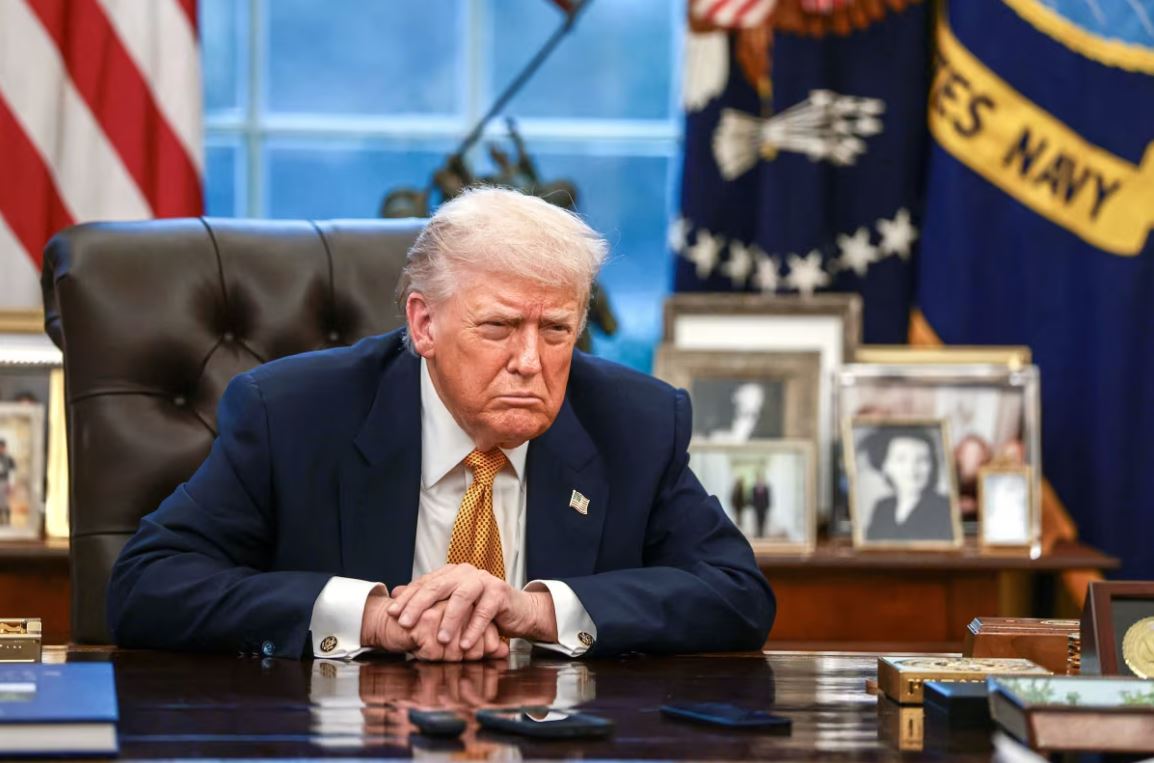
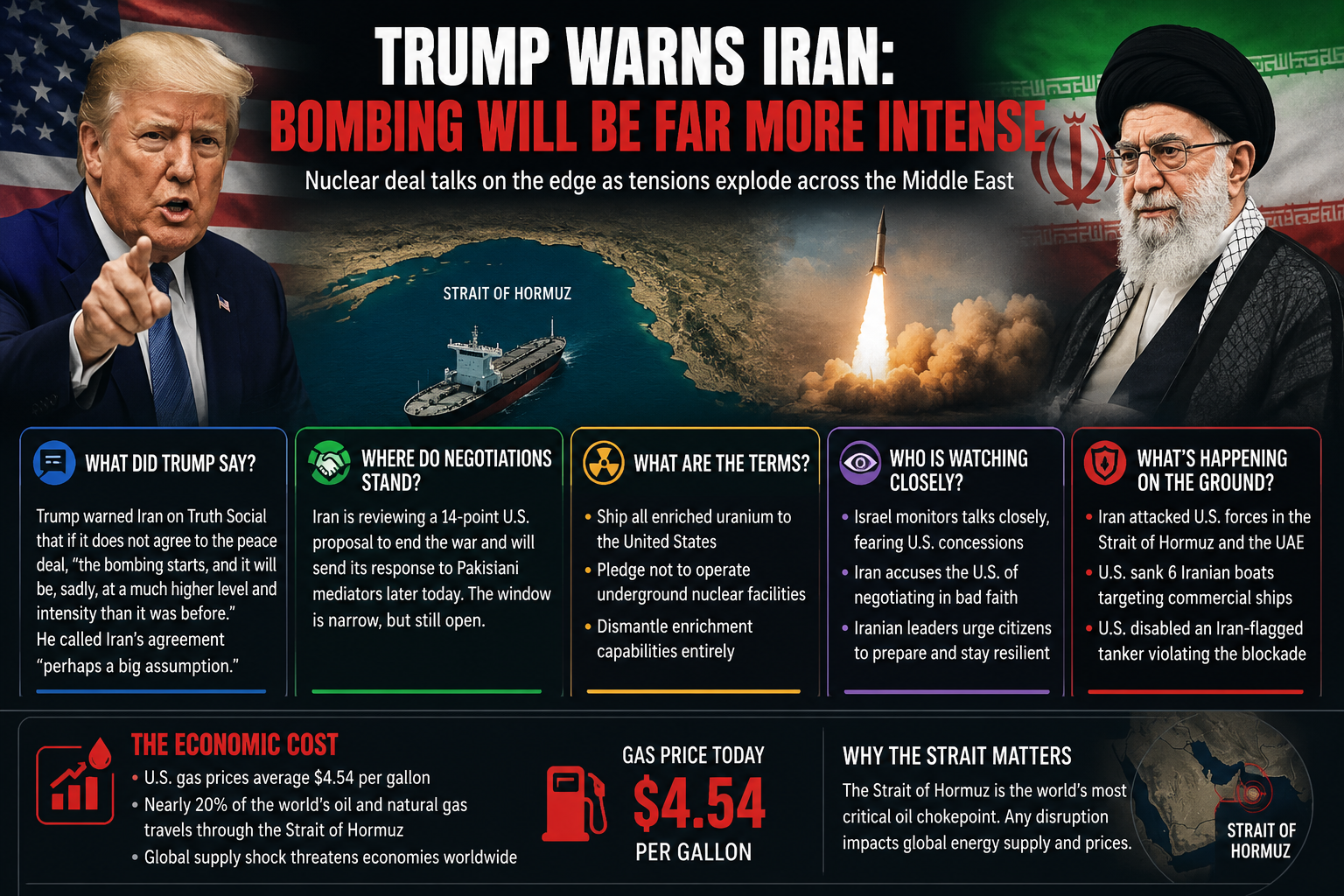
The language coming out of the White House today is the most direct it has been since the ceasefire began. President Trump warned Iran in a Truth Social post that it would face American strikes at a higher level and intensity than previous rounds of bombing if it declined to agree to a peace deal, which he said was perhaps a big assumption. He left no room for ambiguity. Assuming Iran agrees to give what has been agreed to, Trump posted, the military operation known as Operation Epic Fury will be at an end and the Hormuz Strait will be open to all, including Iran. If they do not agree, the bombing starts, and it will be, sadly, at a much higher level and intensity than it was before.
Where Does the Peace Process Stand Right Now
Despite the threats, negotiations are still technically alive. Iran continues to review a 14-point U.S. proposal to end the war and is expected to convey a response to Pakistani mediators later today. Iran's Foreign Ministry spokesperson Esmail Baghaei confirmed Tehran is still reviewing the latest proposal and will convey its response to Pakistani intermediaries. The window is narrow, but it has not yet closed.
What Are the Terms Iran Is Being Asked to Accept
The U.S. demands represent a near-total dismantlement of Iran's nuclear program. The terms of a potential deal would include Tehran shipping its enriched uranium stockpile to the United States and pledging not to operate its underground facilities, according to Trump speaking to PBS News. Netanyahu said his most important shared goal with Trump is to remove all enriched material from Iran and dismantle Iran's enrichment capabilities entirely. These are terms Iran has historically described as surrender, not negotiation.
Who Is Watching the Negotiations Most Closely
Israeli Prime Minister Benjamin Netanyahu is holding talks with Trump administration officials to better understand the latest developments in negotiations between the U.S. and Iran. Israel is reportedly concerned about potential last-minute U.S. concessions. Meanwhile, Iran's Foreign Ministry spokesperson suggested in a social media post that the U.S. is negotiating in bad faith, while Iranian parliament speaker Ghalibaf called on Iranians to practice frugality, describing it as a missile that people can fire into the heart of the enemy.
What Is Happening on the Ground While Talks Continue
The ceasefire is holding only in name. Earlier this week, Iran attacked U.S. forces helping commercial vessels transit the Strait of Hormuz and launched fresh attacks on the United Arab Emirates. The U.S. said it sank six small Iranian boats that attempted to interfere with commercial ships. U.S. Central Command also disabled an Iran-flagged tanker by firing several rounds from a cannon gun when the vessel attempted to sail toward an Iranian port in violation of the ongoing U.S. blockade.
What the Economic Cost of This Standoff Looks Like
The global energy market is already absorbing severe damage. U.S. gas prices rose again this morning, now averaging $4.54 per gallon. The closure of the Strait of Hormuz, through which nearly 20 percent of the world's oil and natural gas travels, has created a supply shock with consequences far beyond the Middle East. Every day without a deal is a day the global economy bleeds.