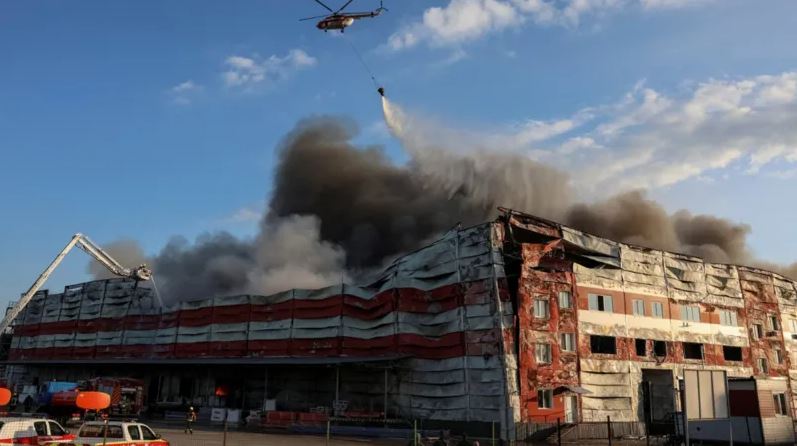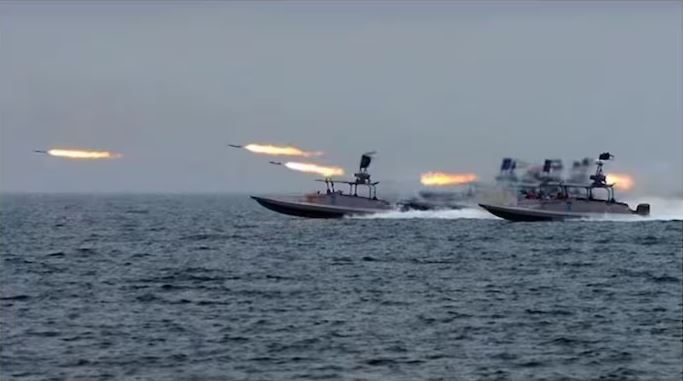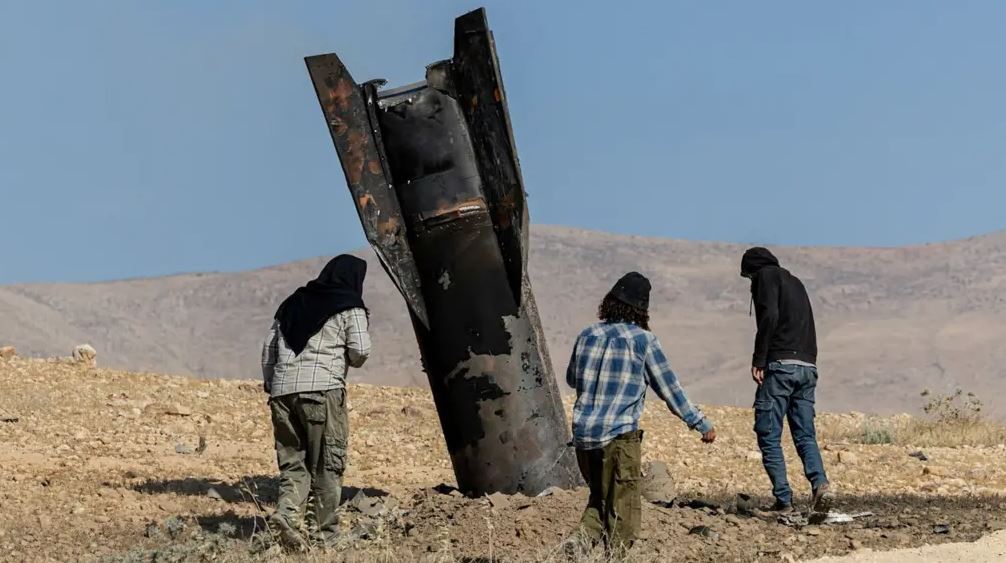
The guns have quieted, for now. Iran said it would halt its military offensive against Israel after the two countries exchanged missile fire for the first time since April, following Israeli airstrikes on Lebanon that prompted Tehran to retaliate. The pause is fragile, conditional, and already contested, but it marks the most significant step toward de-escalation since a conflict that began reshaping the Middle East on February 28, 2026.
Israeli Prime Minister Benjamin Netanyahu confirmed Israel halted attacks on Iran, stopping short of acknowledging a formal ceasefire, while Trump said both countries were seeking an "immediate" ceasefire and that "final" peace negotiations are moving forward.
How the Conflict Reached This Point
On February 28, 2026, Israel and the United States began a series of strikes against Iran, saying they aimed to induce regime change and target Iran's nuclear and ballistic missile program. Iran responded with counter-strikes against Israel, US military bases in the region, and military locations in Arab states that house US forces.
The timeline of key escalations since then:
- On April 8, 2026, the United States and Iran agreed to a two-week ceasefire mediated by Pakistan.
- US Vice President JD Vance led the American delegation in 21 hours of negotiations in Islamabad, the highest-level direct meeting between Washington and Tehran since the 1979 Islamic Revolution, but the talks failed to produce an agreement.
- After the IDF struck southern Beirut on June 7, Iran launched waves of ballistic missiles toward Israel and prompted retaliation, marking the first direct confrontation since the April ceasefire.
- Iran's airspace subsequently returned to normal conditions, and Israel lifted restrictions on schools and workplaces as the immediate exchange subsided.
The Nuclear Question: The Core of Every Stalled Deal
No ceasefire framework survives without resolving the nuclear issue, and that is precisely where every negotiation has collapsed.
Iran is believed to be holding approximately 440kg of uranium enriched to 60 percent, short of the 90 percent required for weapons-grade material but at the threshold where reaching 90 percent becomes significantly faster.
The sticking points in nuclear talks include:
- Teams at the Islamabad Talks reportedly agreed on most points of a 10-point ceasefire framework, with the exception of issues relating to the Strait of Hormuz and Iran's nuclear programme.
- The US has demanded a "fundamental commitment" from Tehran not to develop nuclear weapons, while Iran's negotiators presented no framework that included surrendering all nuclear ambitions.
- Iran has called for firm international guarantees against future aggression and said it will not accept any further temporary ceasefires.
- A proposed 60-day memorandum would include a commitment from Iran not to work toward building a nuclear weapon, with Iran's enrichment programme the first issue to be addressed.
US Mediation: Leverage, Limits, and the Lebanon Complication
Washington has driven every ceasefire attempt, but its leverage is complicated by its simultaneous support for Israel's continued operations in Lebanon.
Issues under discussion in Pakistan-mediated US-Iran talks include freedom of navigation through the Strait of Hormuz, Iran's nuclear and ballistic programme, reconstruction, sanctions relief, and a long-term peace agreement.
The Lebanon variable keeps undermining progress:
- Netanyahu clarified that the April ceasefire pause applied only to direct hostilities between the US and Iran and did not extend to Lebanon, with Israeli forces continuing operations against Hezbollah positions.
- Iranian parliament speaker Mohammed Bager Qalibaf had said any negotiations with the US would be "unreasonable" if the Israel-Hezbollah conflict continued.
- Iran warned it would resume operations against Israel if Israeli strikes in southern Lebanon continued, while a top Iranian official told CNN that Tehran has "no problem" with peace talks so long as it is confident the US is being honest and sincere.
The April 16 Israel-Lebanon ceasefire brokered by the US established a 10-day truce, after which more than 2,000 people had been killed in Lebanon and over one million displaced.