Why BRICS Is Redefining Security Beyond Physical Borders
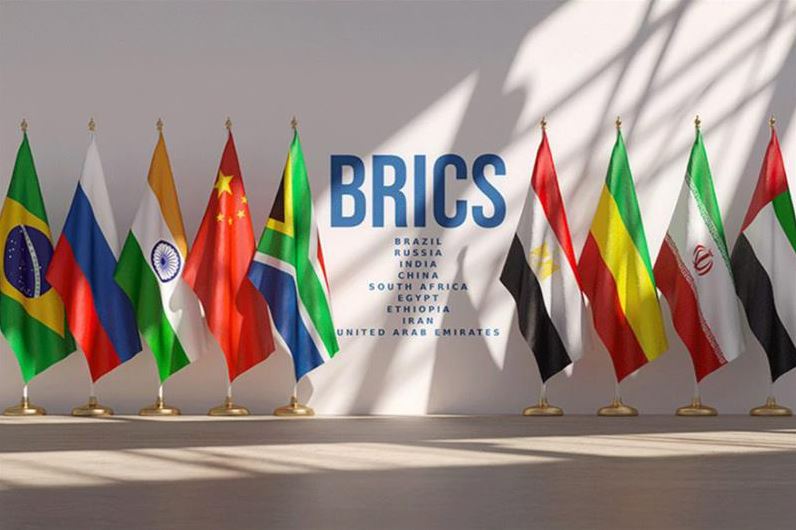
The BRICS bloc, which now comprises Brazil, Russia, India, China, South Africa, and several newly admitted members, is no longer limiting its counterterrorism mandate to conventional threats. Member states have begun coordinating actively on cybersecurity frameworks, treating state-sponsored hacking, critical infrastructure attacks, and digital radicalization as direct extensions of terrorist activity.
This shift reflects a broader geopolitical reality: modern terrorism does not require physical presence. Extremist networks exploit encrypted communications, dark web financing, and ransomware to fund and coordinate operations across borders. BRICS governments have recognized that a counterterrorism strategy that ignores this layer is structurally incomplete.
Key motivations driving this expansion include:
- Rising incidents of cyberattacks targeting energy grids, financial systems, and defense networks in BRICS nations
- Evidence linking ransomware proceeds to designated terrorist organizations
- Growing use of social media platforms for recruitment by extremist groups
- Increasing cross-border data sovereignty disputes requiring multilateral resolution
How BRICS Is Building a Coordinated Cyber Counterterrorism Architecture
Intelligence Sharing and Joint Response Protocols
BRICS members have moved toward establishing joint cyber threat intelligence units. These units are designed to share indicators of compromise, attack signatures, and attribution data in near-real time. India and Russia, both of whom maintain mature cybersecurity agencies, are expected to anchor early coordination efforts.
The framework prioritizes:
- Mutual legal assistance treaties updated to cover cybercrimes with terrorist links
- Shared threat databases accessible to vetted national agencies
- Joint simulation exercises targeting critical infrastructure scenarios
Digital Radicalization and Content Takedown Cooperation
One underreported dimension of the expanded strategy is the focus on online radicalization. BRICS members have expressed concern over platforms operating outside their jurisdictions hosting extremist content. The bloc is pushing for bilateral content moderation agreements and exploring a shared reporting mechanism to flag and act on terrorist propaganda faster than current UN-level processes allow.
What This Means for Global Counterterrorism Governance
BRICS cyber counterterrorism cooperation carries significant implications for the broader global security order. Western-led frameworks, including those operating under NATO or the Five Eyes intelligence alliance, have historically dominated the architecture of international counterterrorism cooperation. A parallel BRICS structure introduces a competing normative model, one that emphasizes national sovereignty in cyberspace and is less dependent on Western platform infrastructure.
This creates both opportunities and tensions:
- Opportunity for nations outside Western alliances to participate in structured counterterrorism frameworks
- Risk of fragmented global standards that complicate cross-bloc attribution and response
- Potential for the bloc to challenge or bypass existing multilateral bodies on cyber norms
From a strategic standpoint, the expansion signals that BRICS intends to be a norm-setter in digital security, not merely a consumer of frameworks designed by others.