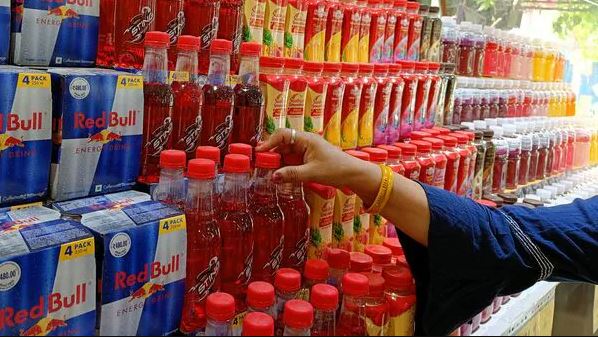
India's food safety regulator has issued formal notices to six major beverage brands, including PepsiCo and Red Bull, over the use of the term "energy drink" on product labels, and it has given no indication of softening its position even as the affected companies weigh their response.
The Food Safety and Standards Authority of India, commonly known as FSSAI, says none of the brands under scrutiny meet the legal bar required to market their products as energy drinks, since no such category is formally notified under Indian food law. For a market where energy drinks have grown into a multi-billion-rupee category over the past two decades, the regulatory stance signals a shift that beverage makers cannot simply market their way around.
What FSSAI's Notices Actually Say
The Brands Named
On July 1, FSSAI issued show-cause notices to the following brands over labeling and marketing claims:
- Red Bull Energy Drink.
- PepsiCo India's Adrenaline Rush Energy Drink.
- PepsiCo India's Sting Energy Drink.
- Reliance Consumer Products' Campa Energy Drink, Gold Boost.
- Monster Energy.
- Hell Energy.
The Core Regulatory Objection
FSSAI's position rests on a straightforward legal gap. There is currently no notified standard for "energy drinks" under the Food Safety and Standards Act, 2006, or the regulations framed under it. Because that category does not formally exist in Indian food law, the regulator argues, no product can legally be marketed under that name.
The regulator has also flagged a second issue beyond naming. Several labels carry claims such as boosting energy levels, enhancing focus, or vitalizing the body and mind. FSSAI has stated plainly that functional or therapeutic claims of this kind are not permissible for food products without prior scientific validation, something none of the flagged brands have secured.
Why This Goes Beyond a Labeling Technicality
The Business Stakes for PepsiCo and Red Bull
Energy drinks occupy a strategically important, high-margin segment for both companies. PepsiCo built Sting into one of its fastest-growing beverage lines in India by pricing it well below Red Bull and targeting price-sensitive younger consumers, a strategy that leaned heavily on positioning the product as an affordable energy drink alternative. Red Bull, meanwhile, has anchored its India strategy almost entirely around the energy drink identity since entering the market in 2009.
Forcing either company to drop the term "energy drink" from packaging and advertising would strike directly at the positioning that built their market share, not just at a technical label detail.
The Health Rationale Behind the Crackdown
Regulators and health professionals have grown increasingly concerned about the health effects of high-caffeine beverages, particularly among younger consumers. Reported risks associated with heavy consumption include:
- Rapid heartbeat and elevated blood pressure.
- Anxiety and disturbed sleep.
- Dehydration and headaches.
- A subsequent energy crash once stimulant effects wear off.
Medical experts have also noted that no beverage can genuinely generate energy in a physiological sense, undercutting the premise behind much of the category's marketing language.
The Global Pattern India Is Following
India is not acting in isolation. Regulatory scrutiny of energy drinks has intensified across multiple markets in recent months.
- Quebec's National Assembly approved legislation aimed at limiting the harmful effects of energy drinks on young people.
- The United States Food and Drug Administration added caffeine labeling guidance to its 2026 regulatory priorities, following lawsuits and state-level investigations into high-caffeine brands.
- A Pakistani provincial regulator ordered manufacturers to drop the word "energy" from labels, calling the term scientifically misleading.
Seen against this backdrop, FSSAI's notices place India firmly within a broader international trend of governments tightening how stimulant beverages can describe themselves to consumers.
What This Means for Consumers and Retailers
Reading Labels More Carefully
For everyday shoppers, the dispute is a reminder that packaging language is regulated, but not always enforced consistently until a formal review occurs. Consumers concerned about caffeine intake may want to check ingredient panels directly rather than relying on category names like "energy drink" to judge a product's effects.
Retailer and Distributor Exposure
Retailers and distributors are not the direct target of the notices, but any eventual labeling changes could still require them to adjust shelf placement, point-of-sale marketing, or promotional material that references the disputed "energy drink" terminology. Larger retail chains that stock these brands nationally will likely be watching the outcome closely, since a mandated relabeling exercise across such a wide product range would carry logistical costs of its own.
Industry Response So Far
As of the most recent reporting, none of the six companies named has issued a public response to the notices. The show-cause process requires each company to justify its current labeling practices or face enforcement action, which gives the brands a formal opportunity to contest the regulator's position before any penalty is applied.
Industry bodies representing beverage manufacturers have, in past disputes over Indian food regulation, argued that tighter restrictions risk undermining consumer choice and investment confidence in the sector. Whether a similar argument surfaces in response to these notices remains to be seen, but the regulator's public messaging so far has not signaled any willingness to create a carve-out for established brands.
What Happens Next
The show-cause notices do not immediately ban the products or require label changes. Each company now has the opportunity to respond to FSSAI's objections, after which the regulator can decide whether to proceed with enforcement action, request label revisions, or accept the companies' justifications.
For an industry that has spent years building brand identity around the promise of an energy boost, the outcome of this process will help determine whether "energy drink" survives as a viable marketing category in India, or whether companies will need to find new language to describe products that make up a significant share of their beverage revenue.