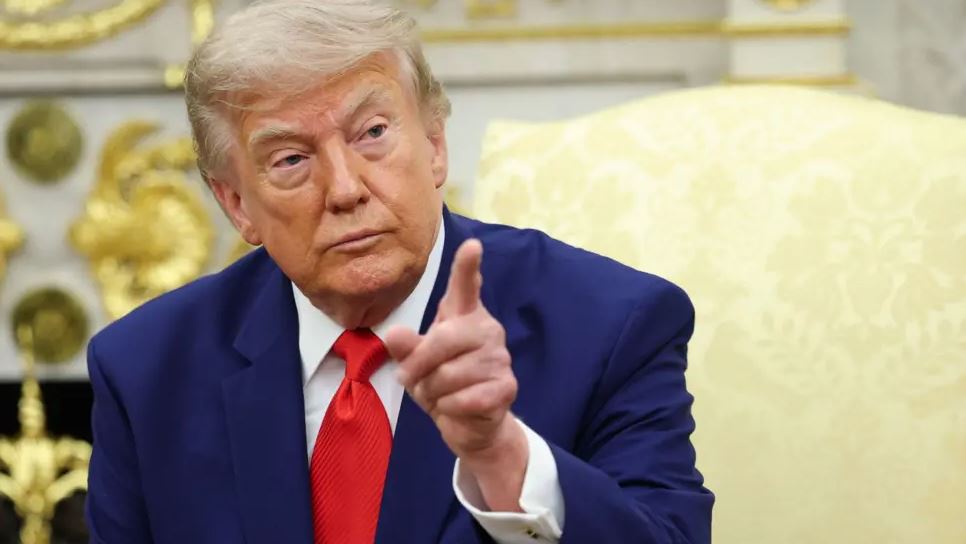
President Donald Trump plans to raise tariffs on generic drug imports to as high as 200%. This news sparked a big selloff in drug stocks around the world. Indian drugmakers suffered the biggest losses. They are the top suppliers of generic medicine to the United States.
Trump shared the news on Truth Social on July 21. His plan sets a slow timeline that stretches across several years. Even so, stock markets reacted within hours. This shows how fast drug stock prices move when US trade policy changes, even if the new rules take time to start.
What Trump Actually Announced
The Tariff Timeline
Trump laid out a three-stage schedule for generic drug imports:
- A 0% tariff on generic drugs will continue for a two-year transition period beginning August 1, 2026.
- The tariff then rises to 100% for one year, starting in August 2028.
- After that one year, the tariff increases.
Trump called the higher rates a plan to push companies to make drugs in the US. He wants drugmakers to build new plants on American soil. He warned that the top rate is a penalty. It targets companies that fail to set up local factories in time.
What Is Not Changing
This plan applies only to generic drugs. Tariffs on brand-name drugs stay the same. Trump previously said those rates could reach 100%. The White House plans to use Section 232 of the Trade Expansion Act of 1962. This is the same national security law used for past trade rules.
Why Markets Reacted Despite a 2028 Start Date
The Scale of the Selloff
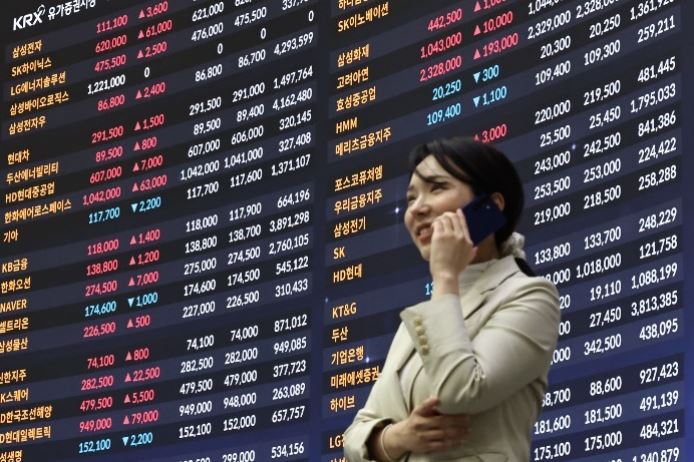
Indian pharmaceutical stocks came under broad pressure in the session following the announcement. The Nifty Pharma index fell as much as 1.7% to 2% during trading, with several heavyweight names among the biggest laggards on the broader Nifty 50 index.
Stocks that declined included:
- Sun Pharmaceutical Industries.
- Cipla.
- Dr Reddy's Laboratories.
- Lupin.
- Aurobindo Pharma.
- Biocon.
- Torrent Pharmaceuticals.
- Zydus Lifesciences.
- Gland Pharma.
- Alkem Laboratories.
Why India Is Central to This Story
India supplies more than half of the generic prescriptions filled in the United States, according to a 2025 Senate Committee on Aging report, with Indian pharmaceutical exports to the US valued at roughly 8 to 9 billion dollars annually. Generic drugs account for about 90% of all prescriptions filled in the US, according to the Food and Drug Administration, making the category far larger in volume than the branded drug market even though it generates less revenue per unit.
That scale explains why a tariff still two years from taking effect could move stock prices immediately. Investors are pricing in a structural risk to future earnings, not reacting to a policy that changes costs today.
Analyst Reactions: Divided on Near-Term Impact
Market analysts have offered contrasting views on how much the announcement should matter right now.
The Case for Limited Immediate Concern
Experts say the market reaction was too strong. Motilal Oswal Financial Services noted that the new rules will not hurt Indian drugmakers right away. The first tax hike does not start until 2028. This gives companies several years to change their plans. They can use this time to fix their prices, supply chains, or factory work.
The Case for Structural Concern
Other analysts see the two-year tariff-free window as a false sense of security rather than genuine relief. Harshal Dasani, Business Head at INVAsset PMS, has characterized the transition period as failing to represent a real reprieve, given how long pharmaceutical manufacturing facilities take to plan, build, and validate.
Health policy experts outside the investment community have raised a related doubt about whether tariffs alone can achieve the reshoring goal. Marta Wosińska, a senior fellow at the Brookings Institution's Center on Health Policy, has said a tariff can support a broader industrial strategy but is unlikely by itself to bring generic drug manufacturing back to the United States.
The Reshoring Timeline Problem
Building a US drug plant takes time. FDA approval also adds years to the work. This process takes much longer than the two-year deadline. Analysts say this timing gap is a big problem for companies.
If manufacturers are unable to build sufficient domestic capacity in time, they face two broad paths:
- Pay the higher import costs and charge more for US medicine.
- Keep making drugs abroad and pay the new tax fee. They would then pass that cost to buyers and health plans.
Either path carries implications for US drug affordability, an outcome some health policy analysts consider at odds with the administration's stated goal of lowering consumer drug costs.
What to Watch Next
The two-year window gives companies and markets time to act before the first tax hike starts. Key points to watch from here include:
- Will the 2028 start date change, as trade deadlines often do?
- Will major global drugmakers announce plans to build US plants?
- How will the FDA and industry groups handle delays in factory safety checks?
- How will US drug prices and supply levels shift as this policy unfolds over the next two years?
Conclusion
Explore more medical studies and facts: Read more..