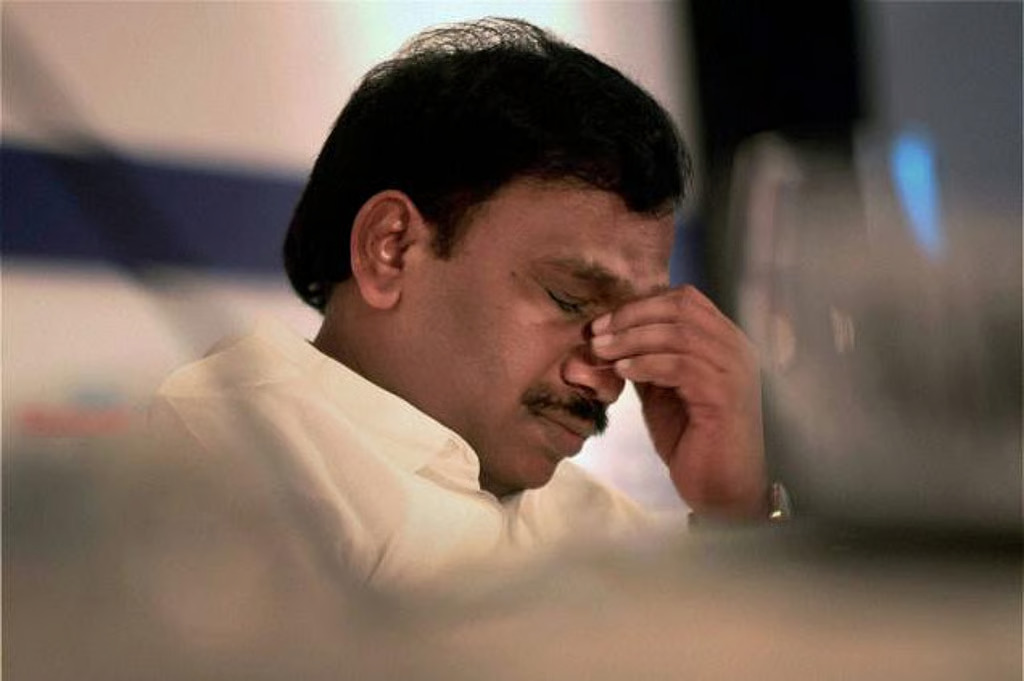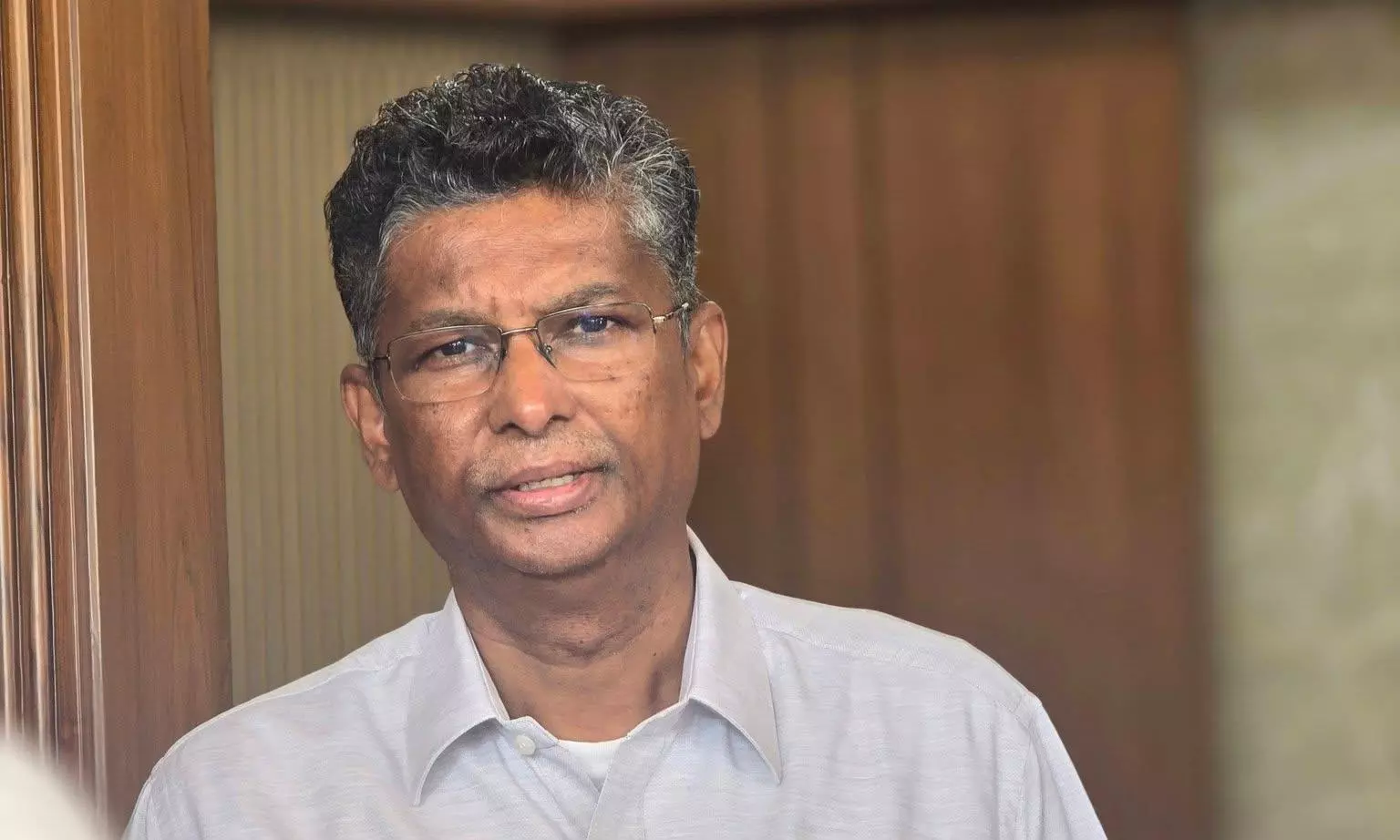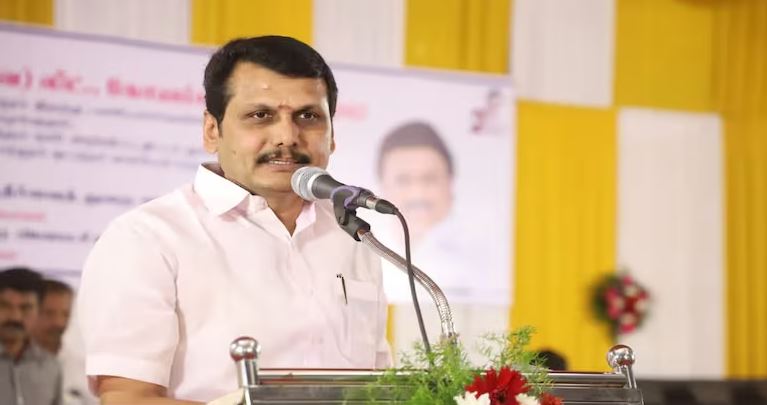
V Senthil Balaji, the DMK leader who twice held the Electricity, Prohibition, and Excise portfolios in Tamil Nadu, is once again facing intense scrutiny. In July 2026, the Directorate of Vigilance and Anti-Corruption searched multiple locations linked to him and his associates in Karur district as part of a probe into alleged irregularities at the Tamil Nadu State Marketing Corporation, the state run body that controls liquor retail. He is also navigating a separate case involving an alleged conspiracy to influence lawmakers, in which he and his brother received anticipatory bail on the condition that they report daily to a Chennai police station. These developments arrive against the backdrop of an earlier money laundering case tied to a cash for jobs scam during his 2011 to 2015 tenure as Transport Minister, a case that led to his arrest in June 2023 and more than a year in judicial custody before the Supreme Court granted him bail in September 2024. Nothing in this piece should be read as a finding of guilt. Balaji has not been convicted in any of the pending matters, and the allegations remain before the courts.
Who Is Senthil Balaji
V Senthil Balaji, born on October 21, 1975, in Rameswarapatti village in Karur district, entered politics at a young age and became a local body member in the late 1990s before moving through the MDMK and then the AIADMK. He won his first Assembly election from Karur in 2006 as an AIADMK candidate and retained the seat in 2011. Following the death of Chief Minister J Jayalalithaa, he backed the TTV Dhinakaran faction during the AIADMK's internal split and was among eighteen MLAs disqualified by the Assembly Speaker in September 2017 for petitioning the Governor to change the Chief Minister. He joined the DMK in December 2018 under M K Stalin, won the Aravakurichi by-election that year, and returned to represent Karur again in the 2021 Assembly election. He currently holds the position of District Secretary for the DMK in Karur, a district where he has long carried significant organizational influence for the party.
His Role in the Tamil Nadu Assembly and the Cases He Is Facing
Balaji served as Tamil Nadu's Transport Minister from 2011 to 2015 under the AIADMK government, a tenure that later became the source of the cash for jobs allegations against him. After joining the DMK, he was appointed Minister for Electricity, Prohibition and Excise in 2021, a portfolio he held until his arrest in June 2023 and again briefly after his 2024 bail, before resigning for a second time in April 2025 under pressure from the Supreme Court. He remains the sitting MLA from Karur even as a former minister. Three distinct legal matters currently surround him. The first is the Enforcement Directorate's money laundering case linked to alleged bribery for jobs in the transport department, which led to his June 2023 arrest and over a year in custody before bail was granted in September 2024. The second is the Directorate of Vigilance and Anti-Corruption's ongoing 2026 investigation into alleged irregularities at the Tamil Nadu State Marketing Corporation, the state liquor retail body he oversaw as Excise Minister. The third is a case involving an alleged conspiracy to pay a lawmaker to vote against the Assembly Speaker, in which Balaji and his brother received anticipatory bail conditioned on reporting daily to the Triplicane police station in Chennai.
Public Trust Is Being Tested
The repeated cycle of raids, court appearances, and bail hearings has placed Balaji's public standing under a spotlight it rarely escapes. Each fresh search operation, whether by the Enforcement Directorate or the state's own anti-corruption wing, renews public attention on how a sitting or former minister is expected to conduct himself while under investigation. Public trust in elected officials rests heavily on perceived accountability, and for a leader facing overlapping probes, every procedural step, from a search warrant to a bail condition, becomes a marker that voters and party colleagues alike are watching closely.
Leadership During Difficult Times
How Balaji conducts himself through this period will likely shape perceptions of his political future more than any single case outcome. He has held significant influence in the western region of Tamil Nadu and has been credited by DMK leaders for the party's organizational strength there. Yet leadership credibility is tested most severely not during calm tenure but during controversy. The Supreme Court itself raised pointed questions in 2024 when Balaji was reinstated as a minister within days of receiving bail, with the bench openly asking whether witnesses might feel pressured by his continued presence in government. That episode illustrates how leadership decisions made under legal pressure can carry consequences well beyond the courtroom.
Actions Matter More Than Words
Public statements of innocence or political defiance carry limited weight when set against the day to day record of cooperation with investigators. Balaji has appeared before courts through video conferencing during hospitalization, surrendered voluntarily to fulfill bail bond conditions, and complied with directives to report twice daily to police in the MLA poaching case. These are the kinds of concrete actions that observers and legal commentators tend to weigh more heavily than rhetoric. Continued, visible cooperation with DVAC and ED proceedings, transparent responses to search findings, and adherence to every bail condition will matter more to his long term standing than any public relations effort.
Past Work Will Also Be Judged
Balaji's record extends beyond the current controversies. As Transport Minister between 2011 and 2015, and later as Electricity Minister, he built a policy and administrative history that voters and party leadership will weigh alongside the pending allegations. Supporters point to his role in strengthening the DMK's presence in Tamil Nadu's western districts and his hand in the party's 2022 local body election performance. Critics point to the very same tenure at the transport department as the origin of the cash for jobs allegations that have followed him since. Any fair assessment of his political legacy will have to hold both threads together rather than treating the current cases in isolation from his earlier record.
Welfare Work: The Senthil Balaji Foundation
Beyond his political roles, Balaji has also built a philanthropic presence in his home district. He established the V. Senthil Balaji Foundation, a non-profit based in Karur that focuses on health and relief work for low-income communities, including support and services for people with disabilities, alongside education-related initiatives, with plans to expand its reach further.
One visible example of this work is a free coaching centre set up in his Karur constituency. The initiative provides high-quality, free coaching to students preparing for TNPSC and TET government job examinations. Rather than a bare-bones setup, the centre has been designed to match the standards of well-known private coaching institutes, with teachers brought in from reputed coaching institutions across Tamil Nadu. Students also receive structured study materials and consistent guidance throughout their preparation — resources that would otherwise be out of reach for many low-income aspirants.
Separately, in his capacity as MLA and former minister, he has also been credited with driving development in roads, healthcare, drinking water, and education in the Karur constituency.
Conclusion
Political reputations damaged by prolonged legal scrutiny are not necessarily permanent. Restoring public confidence typically requires sustained transparency, full cooperation with ongoing investigations, and visible respect for court imposed conditions rather than attempts to sidestep them. It also depends on the eventual outcome of the cases themselves. A leader who is ultimately cleared, or one who accepts consequences where wrongdoing is established, can in either scenario rebuild standing over time, provided the process is seen to have been engaged with honestly rather than resisted. For Balaji, the coming months of the TASMAC probe and the MLA poaching case will be a significant test of that process.