A new report from the World Economic Forum has placed plastic pollution at the center of one of the world's most pressing environmental risks: biodiversity loss. Published by the Forum's Global Plastic Action Partnership, the report draws on field assessments across nine geographies on three continents, building what it describes as one of the most detailed multi-country evidence bases on plastic pollution and biodiversity compiled to date.
The findings arrive as governments continue negotiating a global plastics treaty and as businesses face growing pressure to account for their environmental footprint beyond carbon emissions alone.
What the Report Found
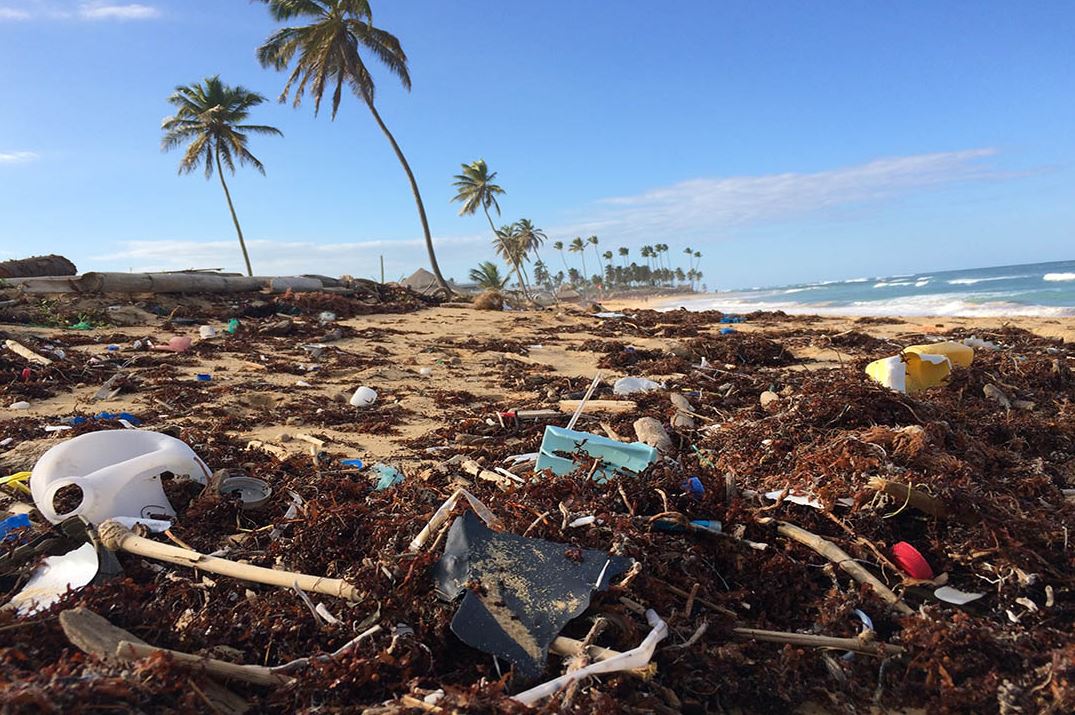
Each year, an estimated 130 million tonnes of plastic waste goes unmanaged or is improperly discarded, ending up in soils, waterways, and oceans. The report argues that while attention has focused heavily on circular economy solutions and plastics treaty negotiations, far less scrutiny has gone toward how this waste affects biodiversity and the ecosystem services that support both economies and human well-being.
The report frames this as a gap worth closing urgently. It states plainly that biodiversity loss and plastic pollution should not be treated as separate environmental issues. They are, in the Forum's assessment, economic and resilience challenges that touch nearly every sector.
Key Sectors Most at Risk
The report highlights specific industries where the economic stakes are highest:
- Fisheries, where plastic debris disrupts marine food chains and damages catch quality.
- Agriculture, where soil contamination from plastic residue affects long-term productivity.
- Tourism, where degraded coastlines and polluted waterways reduce destination appeal.
More than half of global GDP depends moderately or heavily on nature, according to the report. That dependency means degraded ecosystems translate directly into financial risk for industries already contending with climate change and geopolitical instability.
Biodiversity Loss Ranked as a Top Global Risk
The Forum's Global Risks Report 2026 ranks biodiversity loss and ecosystem collapse as the second most severe global risk over the next decade. Extinction rates among animal and plant species are now occurring tens to hundreds of times faster than historical baselines, a trend the plastic pollution report ties directly to unmanaged waste streams.
The Corporate Accountability Gap
One of the report's more striking findings involves the disconnect between climate action and biodiversity action within the corporate world. Only 12% of companies have set targets aimed at halting biodiversity loss, compared with 78% that have established climate targets. Fewer than 1% of companies currently disclose their biodiversity impacts at all.
This gap exists despite mounting financial exposure. The report estimates that corporate liability cases linked to plastic pollution could reach $100 billion per year by 2030. Mandatory extended producer responsibility schemes, which require manufacturers to manage the lifecycle of their packaging and products, could add another $100 billion to that figure.
How Plastic Pollution Disrupts Ecosystems
Plastic pollution affects biodiversity through several interconnected pathways. It alters habitats, introduces toxins into soil and water systems, and breaks critical links in food chains that species depend on for survival.
Wildlife faces direct physical harm as well. Animals become entangled in plastic debris or mistake it for food, leading to injury, toxic poisoning, or starvation. Microplastics have infiltrated soil, rivers, and seas at a scale that quietly disrupts the balance of ecosystems far removed from any visible source of pollution.
Where the Science Still Has Gaps
Not every claim about plastic's biodiversity impact is fully settled. A recent review published in Nature Reviews Biodiversity notes that while individual-level harm from plastic exposure is well documented, including physiological stress, disrupted feeding, and reproductive harm, clear evidence of population-level decline tied specifically to microplastics remains limited. Researchers argue this uncertainty should not delay action, but it does highlight the need for continued monitoring and research investment alongside policy responses.
What the Report Recommends
The WEF report closes with recommendations directed at four groups: governments, corporations, investors, and communities. The shared goal is translating existing evidence into coordinated action rather than treating plastic pollution and biodiversity loss as isolated problems.
Practical steps recommended in the report include:
- Integrating biodiversity risk assessments into corporate sustainability reporting.
- Expanding extended producer responsibility policies at the national level.
- Directing conservation financing toward regions most exposed to plastic leakage.
- Supporting the multi-country monitoring networks needed to track long-term ecosystem impacts.
The report frames the moment as an opportunity as much as a warning. Aligning efforts to address plastic pollution and biodiversity loss together, it argues, creates room for new collaboration, investment, and measurable environmental outcomes rather than fragmented, single-issue responses.
Why This Report Matters Now
This release lands at a moment when nature-related financial risk is drawing closer scrutiny from investors and regulators alike. With global plastics treaty negotiations ongoing and biodiversity frameworks like the Kunming-Montreal Global Biodiversity Framework already in place, the WEF report adds pressure on both governments and corporations to move from voluntary pledges toward measurable, disclosed action.
For communities living near heavily polluted waterways and coastlines, the report's findings reinforce what many have already experienced firsthand: the health of local ecosystems and the health of local economies are no longer separate conversations.