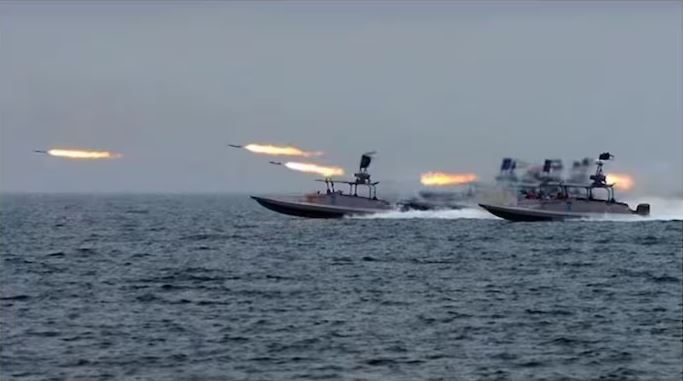
Russia carried out one of its largest ballistic missile barrages of the war against Ukraine overnight into Sunday, striking Kyiv with dozens of missiles and drones in a two hour assault that Ukrainian officials called among the most intense since the 2022 invasion began. The strike underscores a widening gap in Ukraine's air defenses at a moment when Western interceptor supplies remain tightly constrained.
Ukraine's air force said Russia launched more than 40 missiles, most aimed at the capital, alongside 120 attack drones. President Volodymyr Zelensky said the barrage represented one of the most massive ballistic attacks on Kyiv of the entire war, with the city absorbing the bulk of the damage.
The Scale of the Strike and Its Human Cost
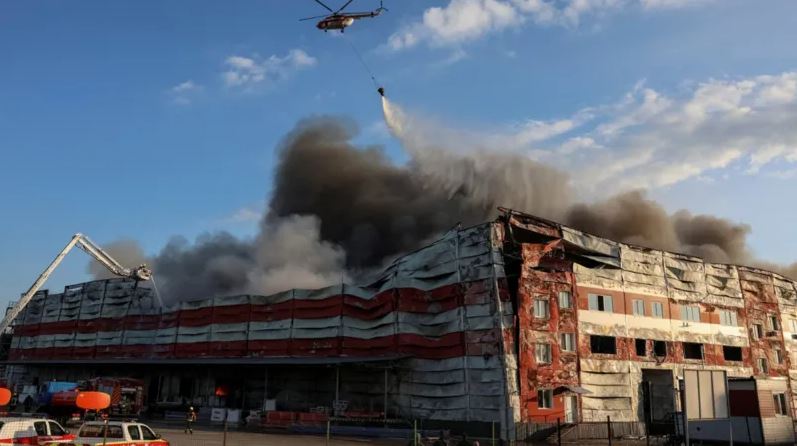
Across Ukraine, local authorities reported at least 16 civilians killed and 77 injured over the prior 24 hours from combined drone and missile strikes, with most casualties concentrated in the Kharkiv and Donetsk regions. In Kyiv itself, the attack sparked fires across five districts, damaging residential buildings, offices, industrial sites, and a dormitory.
Ukraine's Foreign Ministry called the Kyiv barrage the largest since the war began in February 2022. Roughly 600 rescue workers, medics, and police officers responded to the aftermath.
Key figures from the strike include:
- More than 40 missiles launched, including a significant share of ballistic weapons.
- 120 to 125 attack drones deployed alongside the missile barrage.
- 18 missiles and 108 drones intercepted by Ukrainian air defenses.
- Fires reported across five districts of the capital.
Why Ballistic Missiles Expose a Strategic Vulnerability
The Interceptor Shortage
Ballistic missiles pose a distinct challenge because of their speed and trajectory, which make them far harder to intercept than slower moving drones or cruise missiles. Zelensky has repeatedly stressed that protection against ballistic strikes is now Ukraine's top defensive priority, and that interceptors are needed on a near daily basis.
Ukraine has struggled with a limited stockpile of Patriot air defense systems, the primary Western platform capable of countering ballistic threats. Analysts have noted that the market for such interceptors has few suppliers, long production lead times, and unresolved questions about overall capability, leaving Kyiv dependent on external supply decisions made in Washington and European capitals.
A Shifting Balance on Both Sides
The missile strike did not occur in isolation. It followed Ukrainian drone attacks on Russian logistics centers that killed several people, and Ukraine has continued targeting Russian oil infrastructure, including tankers in the Black Sea. This pattern reflects a war increasingly defined by reciprocal long range strikes on infrastructure rather than only front line combat.
Russia's Defense Ministry described its strike as targeting defense industry facilities and logistics hubs connected to Ukrainian military production, a framing consistent with Moscow's broader narrative that its attacks focus on military rather than civilian infrastructure, a characterization disputed by Ukrainian officials and independent observers given the residential damage reported.
What This Attack Signals for the Wider Conflict
For policymakers watching the war's trajectory, this strike carries a clear signal. Russia retains the capacity to mount large scale ballistic barrages even in the war's fifth year, while Ukraine's ability to intercept them remains dependent on external military support that has not always arrived on the timeline Kyiv requests.
Discussions about expanding Ukraine's capacity to produce or acquire Patriot interceptors domestically have gained renewed attention following the attack, though any such shift would take time to materially change the calculus on the ground.