The University of Oxford has begun the world's first human trial of a vaccine built specifically to fight the Bundibugyo strain of Ebola. The move comes as an outbreak of this rare and historically neglected virus continues to spread across the Democratic Republic of the Congo and Uganda, and it marks a genuine milestone for a disease that vaccine developers have largely bypassed until now.
I have covered outbreak science for over a decade, from early mRNA platforms to the scramble that produced COVID-19 vaccines in record time. What stands out here is the speed. Oxford's Vaccine Group and its Pandemic Sciences Institute moved from outbreak declaration to a dosed clinical trial in a matter of weeks, not years.
What Is Happening in Oxford Right Now
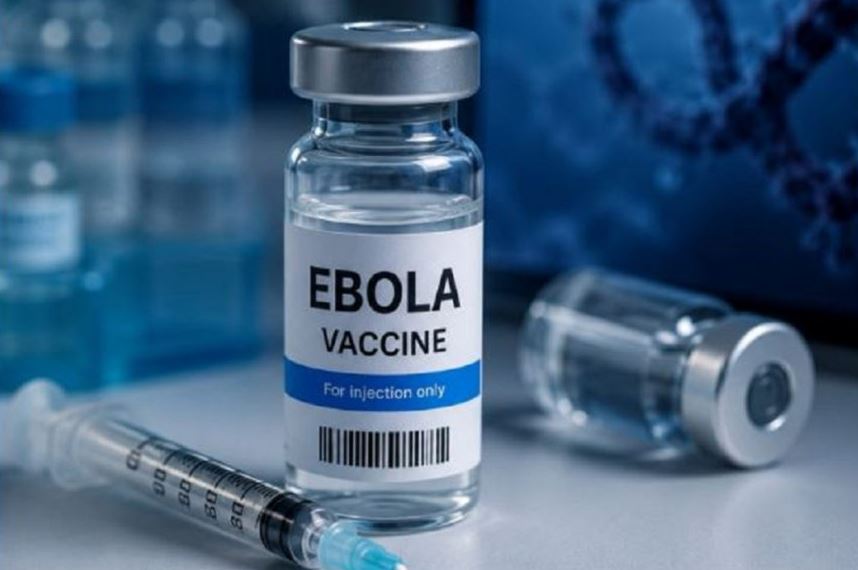
The trial, called BD-Ebov, is a Phase I study testing the vaccine candidate ChAdOx1 BDBV. It uses the same viral vector platform that powered the Oxford AstraZeneca COVID-19 vaccine, adapted to target Bundibugyo ebolavirus instead.
Key facts about the trial:
- It will enroll 50 healthy adults aged 18 to 55, all based in Oxford.
- Volunteers are being recruited now and will attend screening visits before vaccination begins.
- Vaccination is expected to start in the coming weeks, pending final regulatory sign off.
- Participants will be followed for up to 12 months to track both safety and immune response.
- Early data on side effects and immune activity could arrive within the first few weeks after dosing starts.
Professor Katrina Pollock, the trial's chief investigator, called the launch a milestone for the program, describing it as the result of coordinated work across vaccine development, manufacturing, and clinical testing.
Why the Bundibugyo Strain Matters
Most Ebola vaccine research has focused on the Zaire strain, the version behind the largest and deadliest outbreaks in recent history, including the 2014 West Africa epidemic. Bundibugyo ebolavirus is rarer and, until this outbreak, had drawn far less investment.
That gap has become dangerous. The current outbreak, according to CEPI's Dr Nicole Lurie, has grown into the third largest Ebola outbreak on record, with case counts still climbing across the DRC and into neighboring Uganda.
A Strain That Was Overlooked
Bundibugyo ebolavirus was first identified in Uganda in 2007. Because outbreaks were historically smaller and less frequent than those caused by the Zaire strain, funding for a dedicated vaccine lagged behind. This trial is an attempt to close that gap before, rather than after, the outbreak peaks.
How the Vaccine Was Built So Fast
Researchers relied on a platform they already understood well. ChAdOx1 is the viral vector backbone used in the Oxford AstraZeneca COVID vaccine, so scientists could swap in genetic material from Bundibugyo ebolavirus rather than starting from scratch. That reuse of proven technology is a major reason the candidate reached human testing in a matter of weeks rather than the years vaccine development normally takes.
The Manufacturing and Funding Behind the Trial
Speed in a lab means little without speed in manufacturing. The Serum Institute of India, one of the world's largest vaccine makers, has already stockpiled roughly 620,000 doses of the candidate in about two weeks, positioning supply for a potential wider rollout if the vaccine proves safe and effective. SII also supplied the 4,000 investigational doses needed for this UK based Phase I trial.
Funding has moved just as quickly. The Coalition for Epidemic Preparedness Innovations, known as CEPI, has already committed up to 8.6 million dollars to accelerate the Oxford SII partnership. The World Health Organization has also recommended prioritizing ChAdOx1 BDBV for clinical evaluation, alongside a separate single dose candidate called rVSV Bundibugyo, developed by the International AIDS Vaccine Initiative.
Preparations are also underway for additional studies in Uganda, pending regulatory approval, through partnerships with the Medical Research Council and Uganda Virus Research Institute, along with the London School of Hygiene and Tropical Medicine's Uganda research unit.
What Happens if the Trial Succeeds
A successful Phase I result does not mean the vaccine is ready for public use. It means the vaccine appears safe and triggers an immune response worth pursuing further. If that happens, CEPI has said it will work with Oxford and the Serum Institute to move toward late stage studies, the kind needed to support an eventual emergency use authorization.
For a disease with no approved vaccine of its own, even a positive early signal would represent real progress. Outbreak response teams in Central Africa are watching closely, since a validated vaccine could eventually be paired with the antiviral treatments currently being tested on patients already infected with the virus.
The Bigger Picture for Outbreak Preparedness
This trial is also a test case for how quickly the global health system can respond when a new pathogen threat emerges. The timeline, from outbreak declaration to a dosed human trial in weeks, reflects lessons learned from COVID-19: keep flexible vaccine platforms ready, secure manufacturing capacity early, and fund trials before an outbreak peaks rather than after.
Whether that model holds up will depend on what the coming months reveal about the vaccine's safety and effectiveness. For now, Oxford's trial represents the first real attempt to give the Bundibugyo strain the same level of scientific attention that has long gone to its more infamous relative.