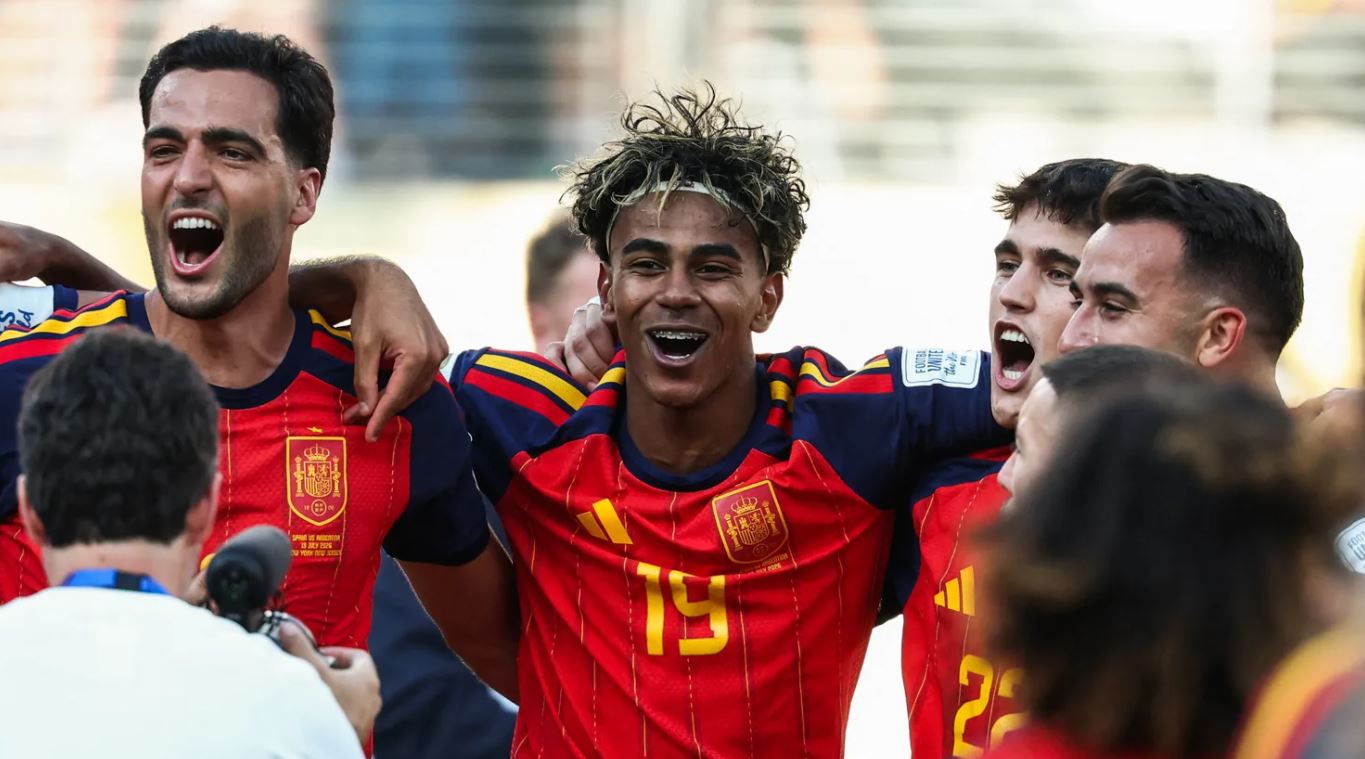
Spain is the world champions again. Ferran Torres struck in extra time to seal a 1-0 win over Argentina at MetLife Stadium on Sunday, giving La Roja their second FIFA World Cup title. Beyond the scoreline, the result closes a chapter for Lionel Messi and opens a new one for a country still working out what football means to its sense of self.
A Second Star Means More Than a Second Trophy
Spain's first World Cup, in 2010, arrived during an economic crisis that shook the country's confidence. This one lands in a very different moment, with a younger, more diverse national team that looks nothing like the squad of sixteen years ago.
That contrast matters. Football has long served as shorthand for national mood in Spain, and the 2026 squad, built around teenage winger Lamine Yamal and a cast of players from Catalonia, the Basque Country, and beyond, tells a story about a country that is still negotiating regional identity within a shared shirt.
A few things stand out about this generation:
- Several key players came through academies outside Spain's traditional football capitals.
- The squad's average age is notably younger than the 2010 champions.
- Coach Luis de la Fuente has leaned on collective structure over individual stardom, a shift some see as reflecting broader cultural attitudes toward teamwork and modesty.
The Argentina Rivalry Carries Its Own Weight
Beating Argentina is not just beating any opponent. The two footballing cultures have long defined themselves in contrast to one another: Argentine football prizes flair and improvisation, while Spanish football has built its identity around patience and possession.
A Final Shaped by Endurance
Sunday's final reflected that contrast directly. Argentina goalkeeper Emiliano Martinez made a World Cup final record number of saves, and Argentina played much of extra time with ten men after a second-half red card. Spain dominated possession and shots but had to wait until the second period of extra time to find a way through.
For Argentine fans, the loss also marks something more personal. Messi has indicated this was his final World Cup appearance, closing out a national team career that included the 2022 title and now this defeat.
Identity, Legacy, and What Comes Next
Sporting outcomes rarely stay contained to sport. Spain's win will be read at home as validation of a footballing philosophy, and possibly as a unifying moment for a country where regional politics often complicate collective celebration.
For Argentina, the tournament ends with a generational torch only partly passed. Messi's exit from international football leaves a void that younger players will now be measured against, fairly or not, for years to come.
What both countries share is a reminder that a World Cup final is never only about eleven players on a field. It is a stage where national narratives, generational change, and cultural pride play out in front of a global audience.