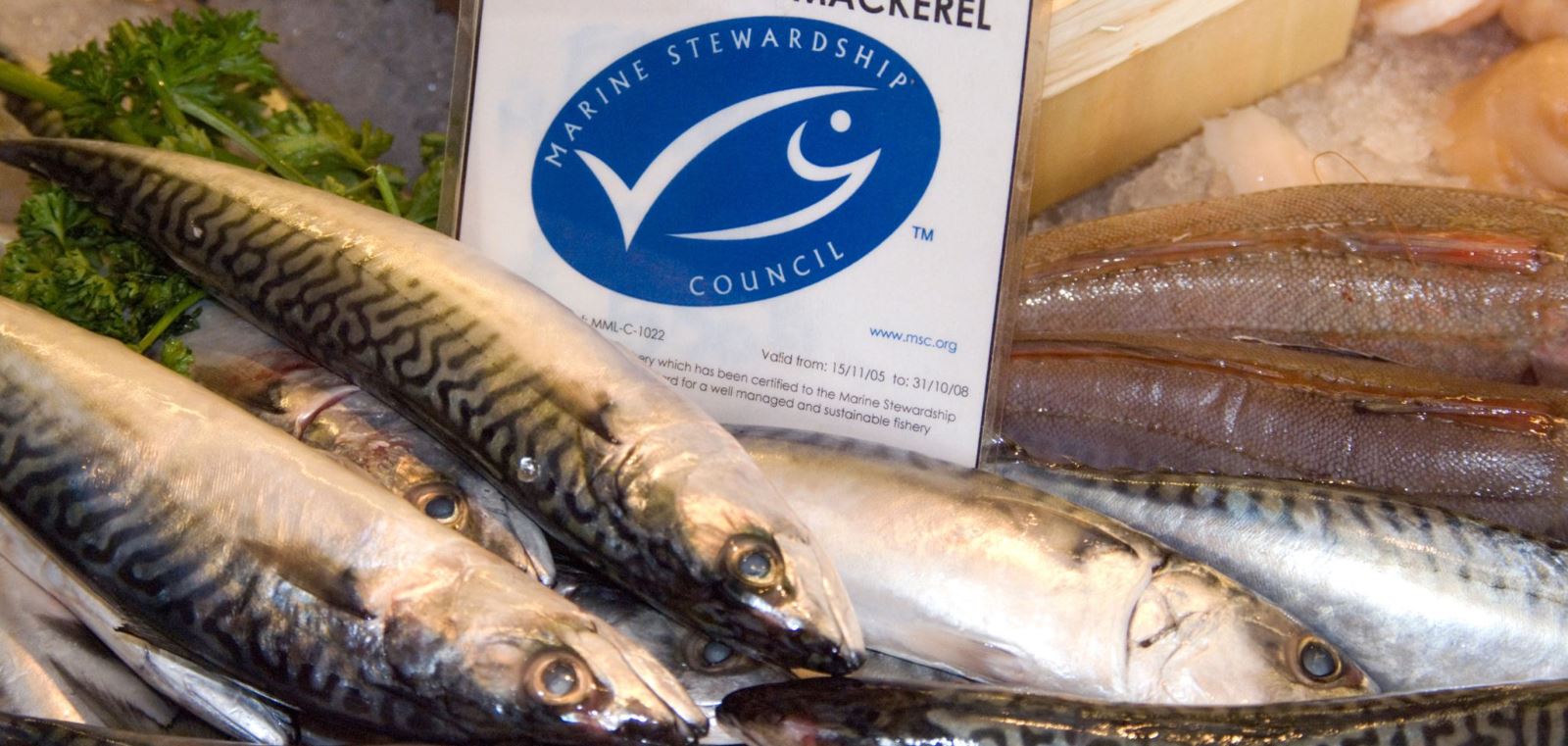
For nearly three decades, the little blue checkmark from the Marine Stewardship Council has told shoppers a simple story: this fish was caught responsibly. That story is now under more scrutiny than at any point in the label's history, and the pressure is coming from courtrooms, regulators, and researchers all at once.
I've spent years tracking how certification systems hold up once independent audits and legal discovery start pulling at the threads. What's happening in seafood right now is a case study in how a credibility crisis builds, one lawsuit and one report at a time.
Why Sustainability Claims Are Under Fire
The MSC blue tick remains the most widely recognized seafood eco-label in the world, covering close to one-fifth of the global wild marine catch. But a wave of recent findings has chipped away at the assumption that certification automatically equals responsible sourcing.
A study released in April 2026 found that roughly 20 percent of fishing vessels reported for worker exploitation held active MSC certification. Researchers working from International Transport Workers' Federation data identified 80 documented labor abuse cases across 72 certified vessels over five years, spanning fisheries from Pacific tuna operations to North Sea haddock fleets. The allegations included forced labor, debt bondage, and withheld wages.
MSC has acknowledged the gap directly. A spokesperson for the organization said its certification was never meant to serve as a guarantee of social conditions and that the program does not claim to offer assurance on labor practices, a distinction that critics argue gets lost in the marketing.
The Legal Pressure Is Mounting
Litigation has become the sharpest tool for testing sustainability claims, and the seafood sector has accumulated a long list of defendants:
- Walmart faces a narrowed but ongoing class action over its Great Value and Sam's Choice products carrying the MSC label.
- Target was sued in a California court over "sustainably caught" claims on its Good and Gather seafood line.
- Bumble Bee Foods, Conagra, Mowi, Gorton's, ALDI, and Red Lobster have all faced suits or settlements tied to eco-label marketing.
A federal judge allowed parts of the Walmart case to proceed in May 2026, ruling that a reasonable consumer would expect seafood labeled sustainable to come from fisheries avoiding long-term depletion, even if that consumer does not understand the technical details of specific fishing methods. That standard, often called the reasonable consumer test, is becoming the legal yardstick courts use to evaluate whether a sustainability claim crosses into deception.
What Regulators Are Doing About It
Governments are no longer leaving this entirely to litigation. The European Union's Empowering Consumers for the Green Transition Directive takes effect on March 27, 2026, with a six-month window for companies to bring existing claims into compliance by September 27, 2026.
The directive's core requirement is straightforward:
- Generic environmental claims without supporting evidence will no longer be allowed on products sold in the EU.
- Companies must substantiate any sustainability claim with verifiable data.
- Claims must be communicated in language consumers can clearly understand.
MSC has already begun revising how its label can be used in anticipation of the rule, clarifying that its claims describe the environmental performance of a fishery rather than a broader guarantee about the product. The organization says the changes are meant to future-proof its certification as other markets, including the UK under its Green Claims Code, move toward similar enforcement.
Industry Groups Are Pushing Beyond Certification Alone
A report commissioned by the marine conservation coalition Make Stewardship Count and authored by Living Oceans Campaign Director Kelly Roebuck argues that retailers have grown too dependent on certification as a legal shield. The report describes a pervasive overreliance on labels and third-party audits in place of broader due diligence covering labor conditions, supply chain traceability, and biodiversity impact.
The recommendation is not to abandon certification but to treat it as one input among several, alongside direct supply chain audits and documented sourcing verification. Companies that rely solely on a logo, the report warns, are increasingly exposed to legal and reputational risk as anti-greenwashing laws and modern slavery legislation expand.
What This Means for Consumers and the Industry
Surveys consistently show that a majority of consumers say sustainability matters when buying seafood, and many are willing to pay a premium for it. That willingness is exactly what makes greenwashing claims financially significant rather than a minor labeling dispute.
For now, the practical reality is that no single label, including MSC, NOAA's FishWatch program, or Seafood Watch ratings, offers a complete picture on its own. Each evaluates different criteria, and gaps between environmental certification and labor or supply chain transparency remain a documented weak point across the industry.