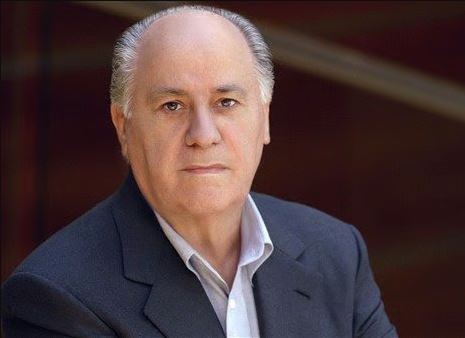
FIFA has confirmed that Romanian official István Kovács will take charge of the 1,000th match in World Cup history when Tunisia face Japan on June 20 at Estadio BBVA in Monterrey. The appointment marks Kovács's first match as a central referee at a FIFA World Cup, a milestone that arrives after years of near misses on football's biggest stage.
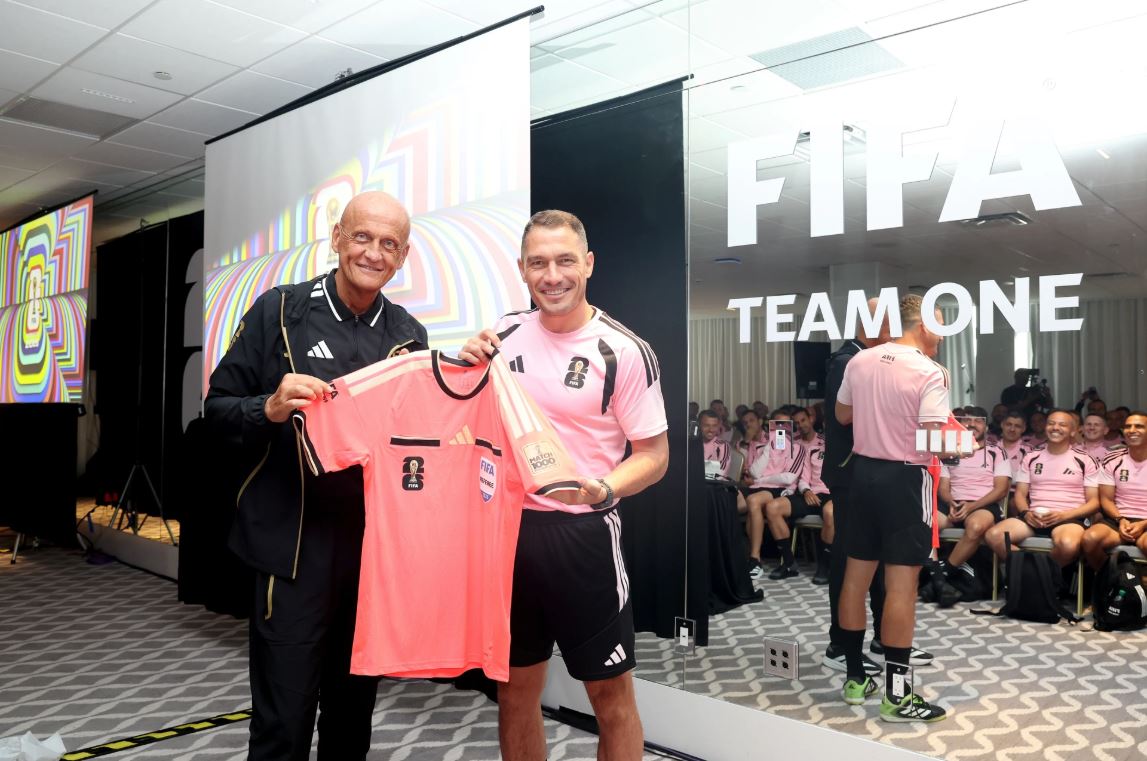
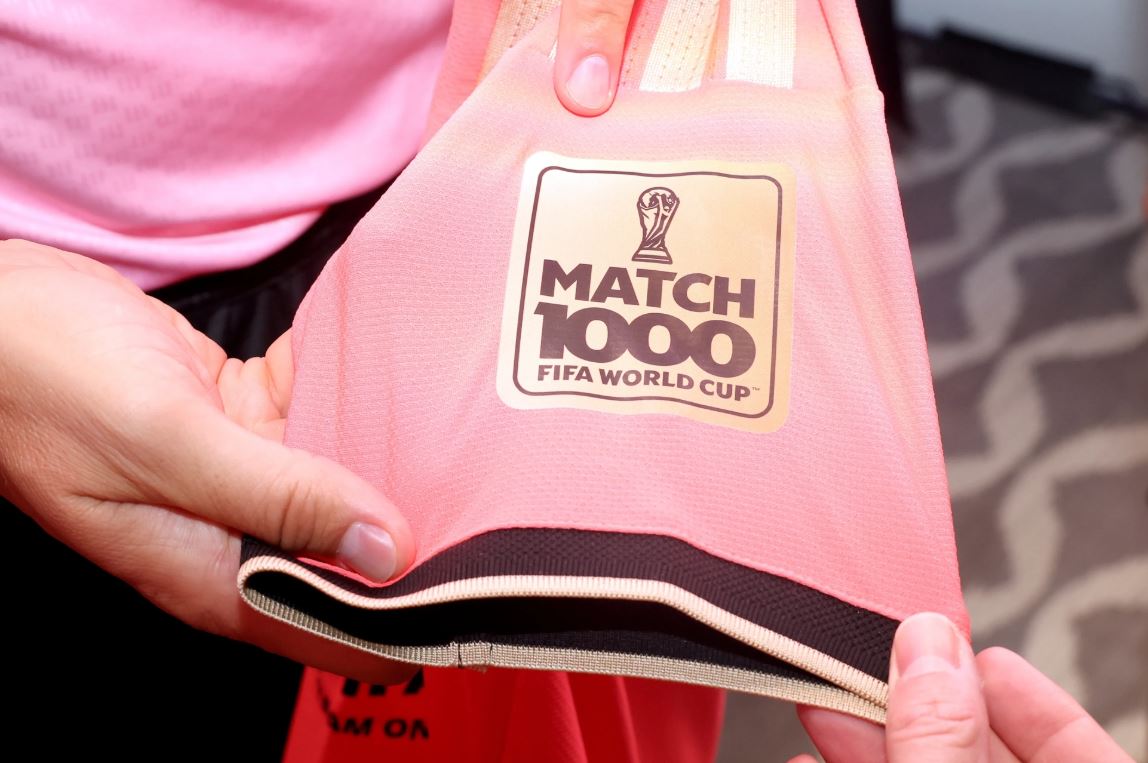
Chief refereeing officer Pierluigi Collina personally presented Kovács with a specially designed jersey, trimmed in gold and marked with the number 1000, ahead of the announcement.
Who Is István Kovács and Why Was He Chosen
A Career Built on UEFA's Biggest Stages
Kovács, 41, has spent the last several years among Europe's most trusted match officials without ever taking center stage at a World Cup. The numbers behind his career explain why FIFA viewed him as the right fit for a symbolic fixture:
- A FIFA-listed international referee since 2018 and a UEFA elite referee since 2019
- Served as fourth official in eight matches at the 2022 World Cup in Qatar without a central appointment
- The only referee to have taken charge of finals across all three UEFA club competitions: the Champions League, Europa League and Conference League
- Refereed the first leg of the 2022 Champions League semi-final between Manchester City and Real Madrid
- Was not assigned a single match in the opening round of the 2026 tournament before this appointment
The Selection Behind the Symbolism
Collina explained that a fixture carrying the weight of World Cup history needed an official capable of handling pressure without a central match yet to his name at the tournament. Kovács will be assisted by fellow Romanians Mihai Marica and Ferencz Tunyogi, with Costa Rica's Juan Calderón as fourth official and Juan Carlos Mora as reserve assistant.
Inside the Numbers Behind the 1,000th Match
What the Appointment Pays
FIFA's compensation structure for referees adds a financial layer to the milestone. Kovács has already earned a flat fee for inclusion on the 2026 referee list, with additional payments tied to each match:
- $100,000 for being named to FIFA's official list of World Cup referees
- An additional $3,000 fee for officiating a group stage match
- Potential fees of up to $10,000 per match if selected for the knockout rounds
The structure reflects FIFA's broader expansion of the officiating pool, which grew from 36 referees at the 2022 World Cup to 52 for the 48 team format in 2026.
A Match With History on Both Sides
Tunisia and Japan have met seven times since 1936, with their only previous World Cup meeting coming in the 2002 group stage, a match Japan won 2-0. The Group F fixture in Monterrey carries qualification stakes alongside its symbolic value, with both teams needing points to stay in contention for the round of 32 against the Netherlands and Sweden.