Before the ribbon has even been cut, California's wildlife crossing infrastructure is delivering results. Three mule deer have become the first wildlife to cross over California's first wildlife overcrossing over a state highway, with the project nearing completion on State Route 97 in Siskiyou County, as reported by the UC Davis Road Ecology Center and Caltrans. The milestone signals a broader shift in how the state manages habitat fragmentation and roadway mortality.
The Siskiyou Crossing: First Animals, First Data
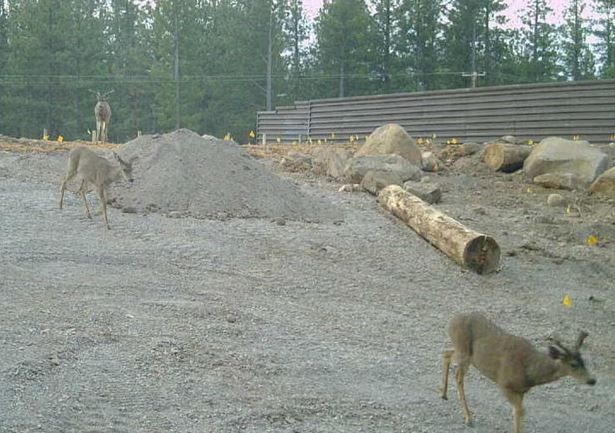
On March 24, three mule deer were caught by cameras crossing the Wildlife Crossing Project on U.S. 97 in Siskiyou County, not far from Mount Shasta. The deer arrived just 15 hours after workers left the project for the day.
Key facts from the Siskiyou County crossing:
- Roughly 100 cameras are aimed at the area near the structure and at the Wildlife Crossing Structure itself, which began construction last July.
- In addition to deer, a bobcat and other wildlife have also been spotted using the structure, even with workers still active on site.
- The crossing covers a deadly stretch of State Route 97 where more than 50 deer and 16 elk were struck and killed by vehicles between 2015 and 2020.
- The project also includes a concrete tunnel beneath the highway and about 3 miles of 8-foot-high fencing to guide animals safely toward the crossing.
Fraser Shilling, director of the UC Davis Road Ecology Center, said: "This marks the first time wildlife have used the first-ever wildlife overcrossing in California. It heralds a new era of wildlife overcrossings to improve wildlife connectivity."
Why Location and Design Drive Adoption
The rapid animal uptake is not accidental. Project designers note that placing crossings in the right location where animals already want to travel naturally drives usage from the start.
Shilling added that wildlife overcrossings are not just a Southern California solution. Combined with fencing, the SR 97 crossing is critical for the movement of gray wolf, elk, mountain lions, black bear, mule deer, and many other wildlife species in the area.
The Siskiyou structure carries additional significance in California's conservation record. It is the first wildlife overcrossing that Caltrans planned, funded, and built purely to improve wildlife connectivity, rather than as a required environmental mitigation measure.
The Wallis Annenberg Crossing: World's Largest, Opening December 2026
While Siskiyou delivers early proof of concept, the flagship project is still weeks from completion. The Wallis Annenberg Wildlife Crossing, currently under construction over the 101 freeway in Agoura Hills near Los Angeles, is scheduled to open to wildlife on December 2, 2026. The $114 million bridge is designed to reconnect habitats between the Santa Monica Mountains and the Simi Hills.
What the Annenberg crossing will provide:
- The bridge will feature coastal sage scrub plant species native to the Santa Monica Mountains, contributing to an overall environmental restoration strategy that includes 12 acres of open space and 50,000 native plants.
- The crossing will reduce wildlife-vehicle collisions and allow safe movement of animals and the exchange of genetic material, which is critical for species survival.
- Though not yet fully connected to surrounding landscapes, birds, butterflies, and raptors are already using the structure.
- More than 50 cameras will eventually monitor the wildlife crossing and surrounding areas, capturing animals as they move through the corridor.
The project is designed to help animals like mountain lions, deer, and bobcats safely cross one of the busiest highways in the country, which conservationists say is critical for long-term survival and genetic diversity.
The Funding Picture
Roughly $77 million of the total cost is coming from public funding, with additional support from private donors, including a $25 million contribution from the Annenberg Foundation. The project faced scrutiny over a cost increase from an original $90 million estimate to $114 million, with delays attributed to consecutive wet seasons, inflation, and the complexity of building living habitat above an active freeway.