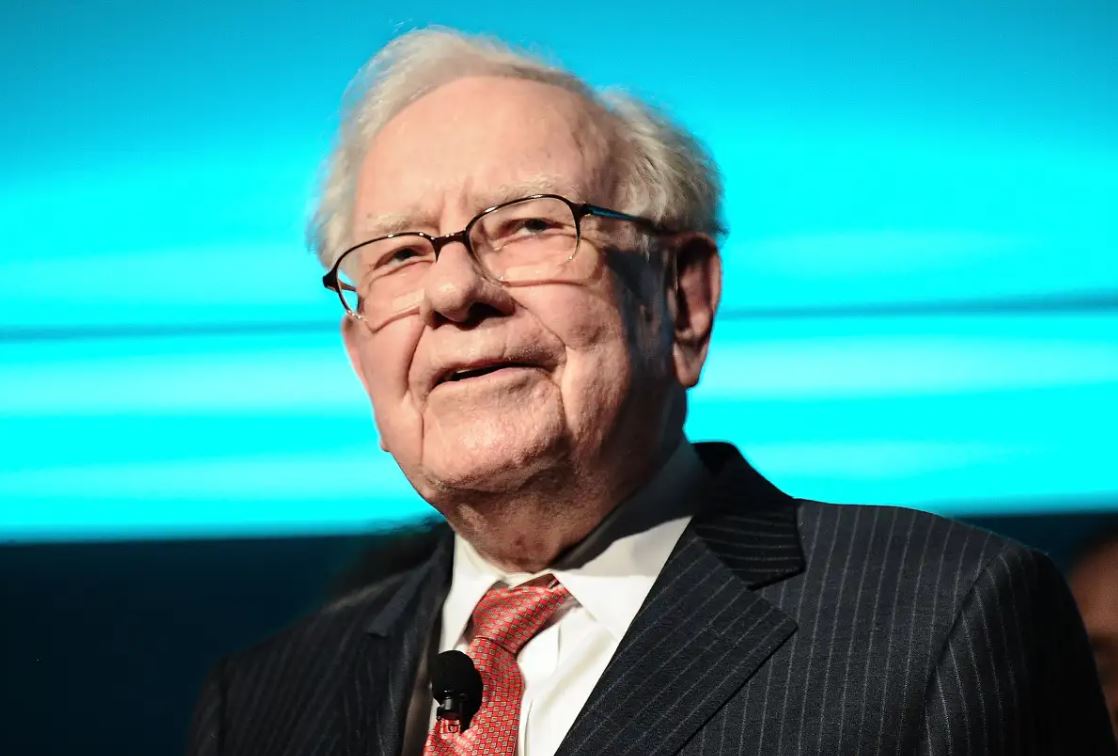
Warren Edward Buffett built one of the greatest fortunes in modern history without relying on technology startups, real estate, or private equity. His wealth comes almost entirely from disciplined, long term ownership of Berkshire Hathaway, the conglomerate he transformed from a failing textile mill into a company worth more than a trillion dollars. Known globally as the Oracle of Omaha, Buffett's career offers a rare case study in patience, capital allocation, and value investing done at scale.
Early Life and Education
Buffett was born on August 30, 1930, in Omaha, Nebraska, to a family already familiar with finance through his father's brokerage business. His interest in investing began early, and by his teenage years he was already buying stocks and running small entrepreneurial ventures.
His formal education followed a path that shaped his investing philosophy:
- Attended the Wharton School at the University of Pennsylvania before transferring.
- Completed his undergraduate degree in business at the University of Nebraska-Lincoln.
- Earned a master's degree in economics from Columbia Business School, where he studied under Benjamin Graham, the father of value investing.
Graham's teachings on intrinsic value and margin of safety became the foundation of Buffett's entire investment career.
Building Berkshire Hathaway
Buffett took control of Berkshire Hathaway in 1965, when it was a struggling textile manufacturer. Rather than trying to save the textile business, he redirected its capital into insurance, consumer brands, and industrial holdings. Insurance float, the premium income collected before claims are paid, became a key source of investable capital that Buffett used to acquire stakes in companies with durable competitive advantages.
Investment Philosophy in Practice
Buffett's approach has remained remarkably consistent across six decades:
- Buying quality businesses at a discount to their intrinsic worth.
- Favoring companies with strong brands and pricing power.
- Holding investments for the long term rather than trading frequently.
- Reinvesting earnings instead of paying large personal dividends.
This strategy produced an annualized return of roughly 19.9 percent from 1965 through 2025, a track record that has made Berkshire Hathaway one of the most studied companies in financial history.
Net Worth Time-Lapse: How the Fortune Grew
Buffett's net worth has moved in step with Berkshire Hathaway's stock price and business performance over the decades. A simplified snapshot shows the scale of that growth:
- 1990s: Crossed the billion dollar mark as Berkshire's insurance and equity holdings expanded.
- 2008: Ranked the world's richest person, with a net worth near 62 billion dollars.
- 2015: Berkshire's annual revenue stood at roughly 210.94 billion dollars.
- 2024: Berkshire held a record cash pile near 334 billion dollars heading into market volatility.
- 2025: Wealth rose further amid global tariff related market swings, reaching around 154 billion dollars at one point.
- Early 2026: Net worth estimated between 138.9 billion and 149 billion dollars, depending on the tracking source, positioning him among the top ten wealthiest people globally.
This trajectory reflects both compounding returns and the fact that Buffett has already donated more than 60 billion dollars to charity, an amount that would otherwise push his net worth well past 200 billion dollars.
Retirement, Succession, and Legacy
Buffett formally stepped down as Chairman and CEO of Berkshire Hathaway on December 31, 2025. Greg Abel, who had long been positioned as his successor, took over as CEO in 2026. Buffett announced the transition at the March 2025 annual shareholder meeting, a decision that surprised many outside his immediate family.
Buffett has pledged to give away 99 percent of his fortune, primarily through the Giving Pledge he co-founded with Bill Gates and Melinda French Gates in 2010. More than 250 families have since joined the initiative. His remaining wealth is being directed toward his children's charitable foundations rather than passed on as a large inheritance, reflecting his long stated view that heirs should receive enough to pursue opportunity but not so much that it discourages ambition.