
SpaceX triggered widespread operational disruptions across Ukrainian battlefields after enforcing severe technical caps on its satellite internet network overnight. Ukrainian defense officials confirmed that military terminals operating above 100 miles per hour (160 km/h) suddenly lost connectivity, interrupting high-speed combat missions and drone operations without advance warning.
Technical Restrictions and Dual-Use Policy Enforcement
The core issue behind why did SpaceX limit Starlink in Ukraine centers on geographic speed limits designed to block airborne military platforms. By disabling connections at high speeds, SpaceX aims to enforce terms of service that restrict its civilian and military-grade satellite tech from directly powering long-range offensive strike drones.
However, frontline commanders reported that these speed caps also severed real-time video feeds for fast-moving reconnaissance vehicles and interceptor units during ongoing tactical engagements.
Key factors driving the network restriction include:
- Speed-Cap Enforcement: Automatic disconnections trigger whenever a terminal moves faster than 160 km/h.
- Geofencing & Whitelisting: Strict limits prevent terminals from broadcasting outside designated friendly combat zones.
- Drone Interception Disruptions: Mobile counter-drone teams lost communications while chasing airborne targets at high speeds.

Source Image: www.pravda.com.ua
Security Controls and the Push to Block Illicit Devices
The new velocity cap follows earlier joint efforts by Ukrainian officials and SpaceX to prevent enemy forces from exploiting the satellite network. Digital Transformation Minister Mykhailo Fedorov Starlink SpaceX discussions resulted in strict registration protocols to combat unauthorized access on the battlefield.
Russian forces had increasingly fitted smuggled dishes onto long-range strike weapons, leading to widespread reports of Starlink Russian drones Ukraine blocked terminals across disputed territories. Ukraine introduced mandatory whitelisting to shut down unverified units, which successfully cut off unauthorized Russian communications.
However, defense analysts note that enforcing blunt technological boundaries, such as speed caps, often creates collateral friction for Ukrainian forces operating on dynamic, fast-moving frontlines.
Why India Is Heavily Restricting Starlink Access
The sudden shutdowns in Ukraine serve as a direct warning to sovereign nations, illuminating why Indian security agencies are stalling final security clearances for Starlink. Granting uncontrolled access to a private foreign satellite provider poses risks similar to hosting a foreign military base disguised as a commercial internet provider.
If a private entity in California can unilaterally alter network caps or flip a kill-switch over active battlefields, critical national infrastructure becomes vulnerable to external political influence.
Key national security concerns driving India's regulatory pushback include:
- Unilateral Control and Sovereignty: India fears that relying on a foreign LEO constellation without localized oversight leaves border regions, such as Ladakh and the Northeast, vulnerable to sudden service cutoffs.
- Mandatory Data Localization: Indian regulators insist that all user data must land at domestic, state-monitored ground gateways rather than routing through foreign laser links.
- Black Market and Smuggling Risks: Concerns escalated following reports of unauthorized Starlink devices seized in conflict zones like Manipur and during maritime drug interdictions in the Andaman Sea.
- Integration of Domestic NavIC: Regulators demand the mandatory integration of India's indigenous NavIC positioning system into user terminals to prevent reliance on foreign GPS tracking.
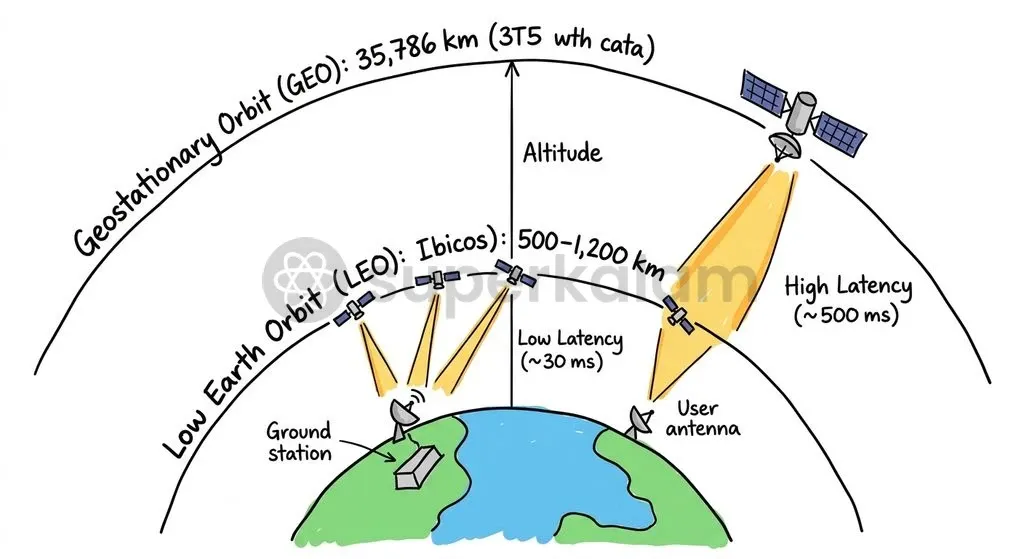
Image Source: superkalam.com
Final Takeaway
SpaceX limited Starlink operations in Ukraine to prevent its civilian and military-grade technology from being weaponized on high-speed airborne platforms. However, the collateral chaos on the frontlines reinforces why nations like India view foreign satellite networks through a national security lens. Without strict local safeguards, complete reliance on external communications infrastructure represents an unacceptable risk to national sovereignty.