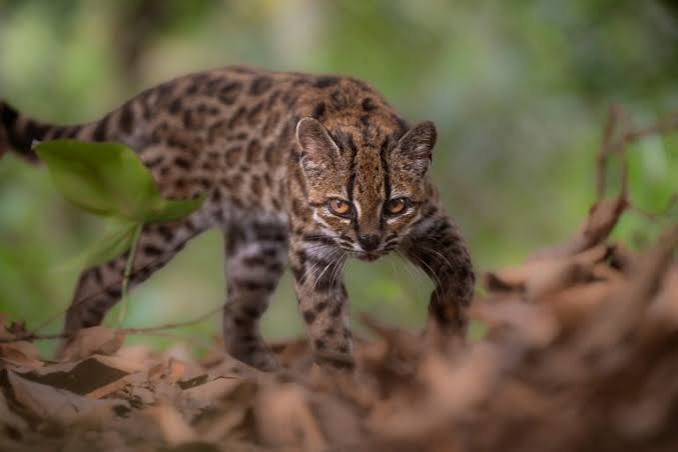
Scientists have officially identified a new wild cat species in the foggy mountain forests of Bolivia. The rare cat bolivian locals call "Tilcayo" weighs just three pounds and measures 18 inches long. That makes this tiny tiger cat significantly smaller than a typical house cat.
The study published in Current Biology marks the first time in more than a century that researchers have formally described a new living feline species. The historic discovery gives science a fresh look at South American wildlife.
A Rescue Kitten Sparks a Global Scientific Mystery
The journey to find this new species bolivian cat began back in 2016. A local man found a small kitten near a road and brought it home. He tried feeding it pasta, eggs, and rice before realizing the animal was wild.
He eventually transferred the young male to the Senda Verde Wildlife Sanctuary near La Paz. Biologist Paola Nogales-Ascarrunz visited the rescue center and instantly noticed something strange.
The small cat had large, open dark spots on a light-brown coat. Its markings did not match known descriptions of other tiger cats from nearby Brazil. Nogales-Ascarrunz took photos and teamed up with geneticists to uncover the truth behind the animal's coat.
Genetic Tests Reveal a Distinct Evolutionary Lineage
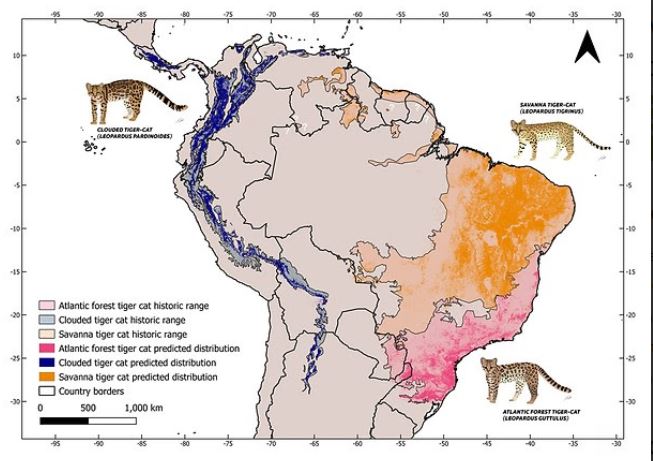
Researchers collected DNA samples from 38 wild felines across South America, including old museum specimens. The genetic results surprised the entire team.
1.4 Million Years Separate: DNA tests proved Leopardus tilcayo separated from other tiger cats roughly 1.4 million years ago.
Five Distinct Species: The wider tiger cat group is actually made of five separate species rather than a single widespread population.
Smaller Than A Domestic Cat: Adults weigh between 3.3 and 4.4 pounds, compared to 8 to 10 pounds for an average house cat.
"We never expected this Bolivian tiger cat to be a separate species, and no one had ever proposed it as a different animal," said study co-lead author Jonas Lescroart.
Local Knowledge Named the Cat Long Before Science Did
While scientists needed complex genetic testing to confirm the finding, local communities already knew about the animal. Bolivian families had passed down the name "Tilcayo" through generations.
Scientists chose to honor that history. They gave the wild cat its official scientific name, Leopardus tilcayo, keeping the traditional title alive.
Camera traps show the nocturnal cat hunts small rodents high up in mountain slopes. However, forest clearing and fires threaten its fragile cloud forest habitat today.
Conclusion
The discovery of Leopardus tilcayo proves that our planet still holds incredible natural secrets waiting to be uncovered. By combining indigenous knowledge with modern genetics, scientists turned a chance rescue mission into a historic breakthrough for wild feline conservation.
As agriculture and deforestation continue to encroach on the Yungas cloud forests, recognizing this rare tiger cat as its own distinct species gives conservationists the legal and scientific leverage needed to protect its habitat. Saving this tiny predator means preserving one of the world's most unique mountain ecosystems before it disappears.
Explore the More Wildlife story and facts: Read More..