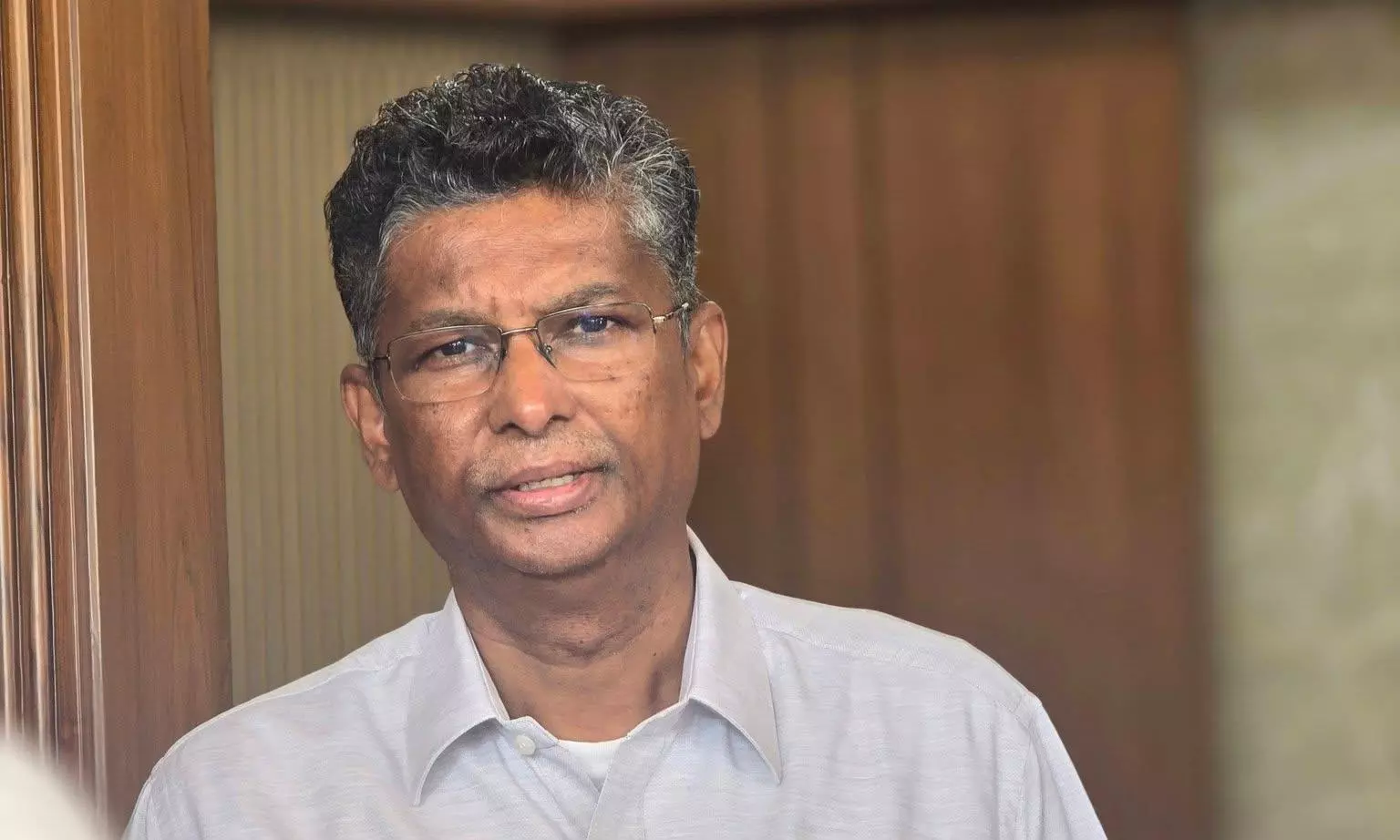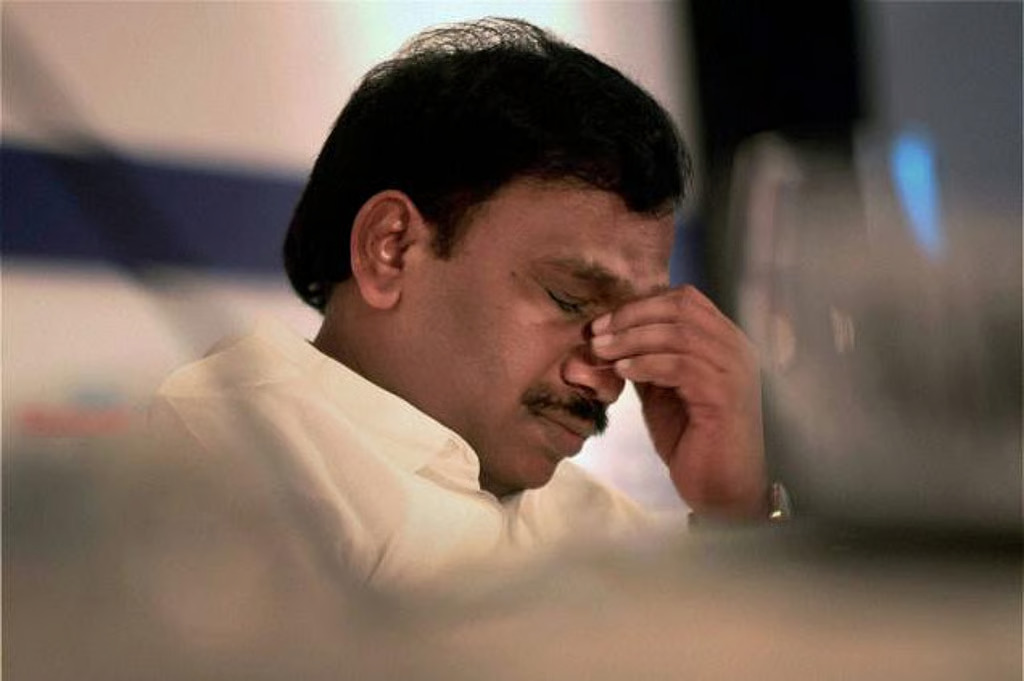
In late 2010, India faced a political earthquake. Audit reports claimed a massive telecom loss. Headlines pointed to a ₹1.76 lakh crore gap. At the center of the storm was A. Raja, a former telecom minister, who faced instant public fury. Critics called it one of the largest graft cases in modern Indian history.
The Birth of the 2G Spectrum Controversy
The roots of the case trace back to 2007. The country was in a massive mobile phone boom. Wireless firms needed airwaves to grow. The government had to assign key 2G licenses.
Under A. Raja, DMK MP and telecom minister, the ministry used a first-come, first-served plan. It chose not to run an open price auction.
Critics raised major concerns about how officials managed the process:
- Selective Deadlines: The ministry moved up the cut-off date for applicants without warning.
- Cut-Rate Fees: License fees remained tied to cheap 2001 price rates, skipping an open auction.
- Front Companies: Some winning firms were said to use weak or hollow corporate structures to win spectrum.
In late 2010, the Comptroller and Auditor General issued a sharp report. It stated that selling spectrum below market rates cost the public treasury up to ₹1.76 lakh crore. The news rocked Parliament, forced Raja's resignation, and sparked deep anger across the nation.
The Arrest, Trial, and Legal Strategy
Following intense public outcry, central agents stepped in. Investigators arrested A. Raja, former telecom minister, in early 2011. He spent fifteen months in prison before being granted bail in May 2012.
The state built its case on three core ideas:
- Shifting Deadlines: Changing the cut-off date favored select firms.
- Low Fees: Skipping an auction cost the nation real revenue.
- Weak Corporate Ties: Favored players used thin or hollow company structures to win spectrum.
Throughout the long trial, the defense fought back hard. It argued that following existing policy was not a crime. It showed that past governments had used the same first-come rules. Lawyers for co-accused Kanimozhi placed meeting notes before the court, arguing they showed the Prime Minister and the finance minister had both been aware of the no-auction approach well before licenses were issued.
Why the Special Court Acquitted All Accused
In December 2017, Special Judge O.P. Saini delivered a clear verdict. The court cleared all seventeen accused of every charge.
The judge pointed to a few key reasons for the ruling:
Lack of Admissible Evidence: The court found that prosecutors had failed to provide solid proof. Years of heavy rumor did not turn into real evidence in court.
Flawed Loss Estimates: The judge called the ₹1.76 lakh crore figure purely speculative, not a proven fact. He noted that cheaper airwaves had helped expand phone access at lower cost.
Wider Knowledge of the Policy: Trial records showed that senior officers knew about the no-auction approach before licenses went out.
The judge noted that despite sitting in open court for seven years, waiting for someone to bring real, admissible evidence, none arrived. The high-profile case collapsed under its own weight.
The Ongoing Battle: A Raja 2G Spectrum Case CBI Appeal
State agencies moved quickly after the 2017 trial court verdict. They filed appeals to challenge the decision.
The acquittal of A. Raja in the 2G spectrum case is still under review. The Delhi High Court is reading thousands of trial records for the appeal by the CBI. Government lawyers say the trial judge missed key witness words and paper trails. In March 2024, the court said it would take a deeper look and accepted the appeal.
Meanwhile, the former minister returned to public life. He is now a sitting MP for the DMK party. He says the whole case was just a political move against his party.
This case is a big lesson in legal history. It shows how public alarm and wrong math can spread faster than real facts.
Lessons from the 2G Spectrum Legal Battle
The rise and fall of the A Raja 2G spectrum scam case changed how India handles public resources.
Key takeaways include:
- Policy is not a crime: Policy choices are not crimes without clear proof of a bribe.
- Courts need hard proof: Trial courts require solid paper trails, not high audit guesses.
- Public view vs. facts: Media pressure can build a view that court facts do not support.
While the appeal moves slowly through the courts, the trial verdict stands as a clear lesson. Big accusations require equal proof.
Conclusion
The A Raja 2G spectrum scam case shows how public alarm and wrong math can spread faster than legal facts. A former minister was once tied to a huge money claim. Yet, he walked away with a clean court record in 2017.
The story is not over yet. The CBI filed an appeal that started moving again in 2024. This keeps the old case in the news.
The Delhi High Court may keep the verdict or change it. Either way, the case holds big weight for how India deals with top office corruption claims.
Explore the More story and facts: Read More..