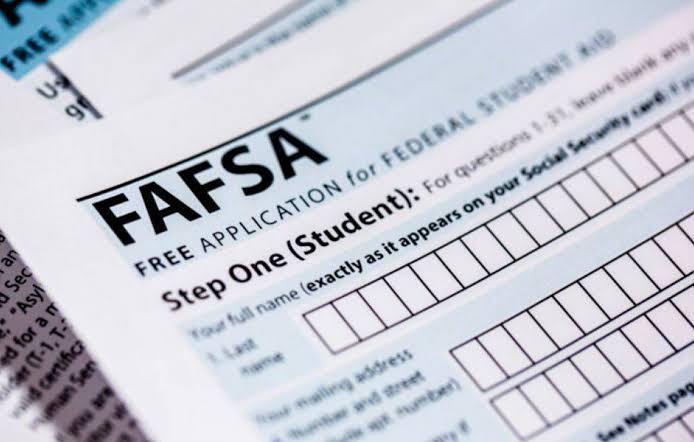
Federal aid for college was meant to be easy this year. But site errors and tech glitches are back. Now, students and school staff must rush to meet tight deadlines. The government promised a smooth form. Yet system bugs and key date confusion are creating real problems. Families need to watch out so they do not lose essential grants and loans.
Software Glitches Impact Thousands of Aid Calculations
A new math error in the system hurt thousands of families. The issue messed up their Student Aid Index score. It happened when one parent typed in income by hand while the other linked to tax records.
The system failed to count asset values right. This bug caused big problems:
2025–26 Applicants: About 20,000 forms had wrong numbers. The government chose not to re-do them all at once so schools would not drown in work.
2026–27 Applicants: About 2,700 forms had to be re-done. Around 600 students saw their Pell Grant amounts change. Scores moved by an average of 1,000 points.
The government fixed the software bug. But these FAFSA issues show why you must check your final aid report carefully. Do not just assume the first score is right.
Strategic Timing: FAFSA Priority Deadline vs Federal Deadline
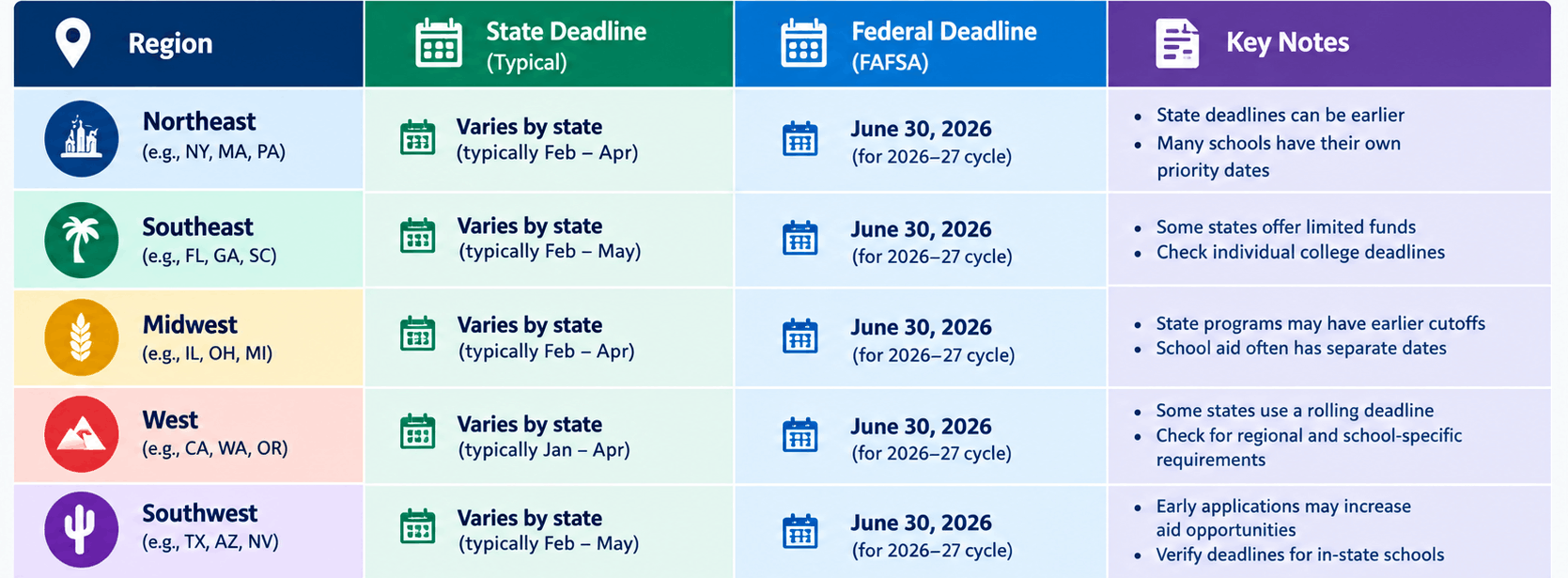
You must know the key dates to get all your financial aid. If you miss them, you may have to pay for college on your own. Many families wait for the final national deadline. But they do not know that state and school funds often run out months before that date.
Institutional Priority Deadlines (The First Tier)
Most colleges open early sign-up windows right after the form comes out. These windows close between December and February. Schools use these early forms to give out limited cash grants, scholarships, and campus jobs. If you miss this date, you can still get federal aid. But your odds of getting money directly from the school will drop fast.
State Financial Aid Deadlines (The Second Tier)
Each state sets its own hard due date for aid. Some states give out money on a first-come, first-served basis. Others set a firm date in the spring. Send in your form early to get state grants. This is free money that you do not have to pay back.
The Federal Closing Date (The Final Tier)
When does the 2026–27 FAFSA close for good? The main federal due date is June 30, 2027. But waiting that long is risky. If you hold off until the end, you will miss out on most state and school aid.
Steps to Safeguard Your Aid Application
Verify All Contributor Data: Make sure both you and your parents link to tax records the same way. This helps stop math bugs.
Review Your FAFSA Submission Summary: Look at your aid score as soon as it comes in. Watch for blank asset boxes or error codes.
Contact Your College Aid Office: Did your income drop? Did a site error hurt your aid total? If so, ask your school financial aid office for help right away.
Conclusion
Dealing with tech bugs while keeping track of tight due dates takes quick action. Do not let the late federal end date fool you. Sending in your form early is still the best way to get the most money for school. Double-check all your numbers, look over your final aid report, and send in your form way before your school's main cutoff date. Doing this keeps tech glitches from getting between you and your college degree.
Explore the More Education-related story and facts: Read More..