What Is the Google Debug Mosquito Project?
Google's life sciences division, Verily, has formally requested permission from the U.S. Environmental Protection Agency to release up to 32 million specially treated male mosquitoes across California and Florida. The program is called the Debug Project, and it targets disease-carrying mosquito populations without the heavy use of chemical pesticides.
The EPA granted an Experimental Use Permit in December 2025. The project was officially made public on June 1, 2026, with a deadline for public comment set for June 5, 2026.
Key facts about the project at a glance:
- Run by Verily, a life sciences subsidiary of Alphabet, Google's parent company.
- Targets Culex quinquefasciatus, the southern house mosquito.
- Planned over two years across Florida (Year 1) and California (Year 2).
- Uses only male mosquitoes, which do not bite humans.
- Relies on a naturally occurring bacterium called Wolbachia.
How the Wolbachia Technique Actually Works
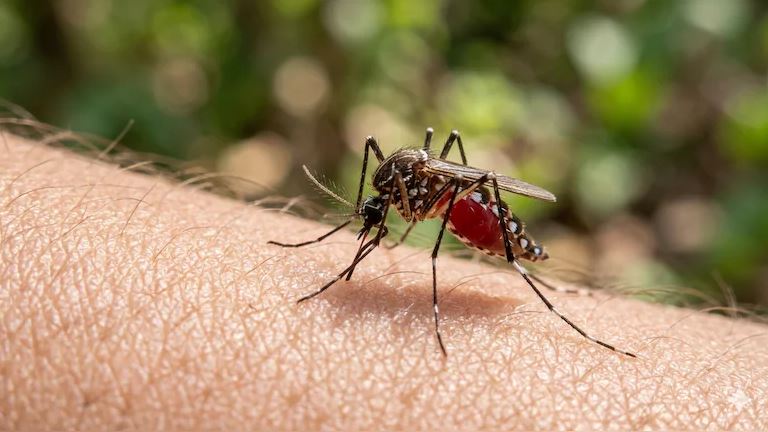
Verily's approach uses a naturally occurring bacterium called Wolbachia. Male mosquitoes infected with the bacteria are bred in laboratories and then released into the wild. When they mate with wild female mosquitoes, the resulting eggs fail to hatch, gradually reducing mosquito populations over time.
Since male mosquitoes do not bite humans, the releases will not increase biting or disease transmission.
The technology does not stop at biology. Verily uses automation technologies, robotics, computer vision systems, and artificial intelligence to sort mosquitoes by sex with high accuracy, and automated systems distribute the male mosquitoes across selected neighborhoods in target regions.
The company says more than 10 million male Wolbachia mosquitoes are now released every single week in Singapore.
Does the Science Support It?
Evidence from existing trials is strong.
An earlier Debug trial in California's Central Valley nearly eliminated mosquitoes from three test sites in Fresno County, according to findings published in Nature Biotechnology. That trial began in 2017 and showed that Verily's automated breeding and sorting systems could suppress mosquito populations at scale.
The strongest global evidence came from Singapore, where a two-year cluster-randomised trial covering more than 700,000 residents found that Wolbachia-infected mosquito releases cut the risk of symptomatic dengue by more than 70%. The study was published in The New England Journal of Medicine in February 2026.
The EPA found that the mosquitoes would not cause unreasonable adverse effects to human health or the environment. A 2022 federal environmental impact statement also concluded that releasing millions of Wolbachia-infected male mosquitoes was safe and would not significantly affect the quality of the human environment.
Diseases the project aims to suppress include:
- West Nile virus
- St. Louis encephalitis virus
- Dengue fever
- Zika virus
- Chikungunya