Australia's Federal Court has delivered one of the most consequential native title rulings in years, ordering mining giant Fortescue to pay Yindjibarndi native title holders roughly 150.3 million dollars for mining on their recognized homeland, known as Ngurra, without their consent. The decision reinforces the strength of native title rights and signals how courts are now translating decades old legal recognition into real economic consequences.
What the Court Decided
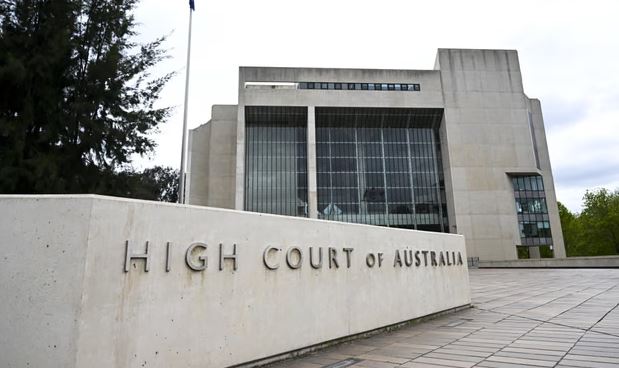
The Federal Court formally issued its orders on July 1, 2026, in the case Yindjibarndi Ngurra Aboriginal Corporation versus the State of Western Australia and Others. The ruling itself was handed down in May, with the written orders published shortly after. It requires Fortescue to compensate the Yindjibarndi people for mining activity on their exclusive native title land since 2012, carried out without an Indigenous Land Use Agreement.
This is only the third case in Australian legal history to determine compensation under the Native Title Act 1993, following the earlier Timber Creek and McArthur River rulings. It sets new benchmarks for how courts calculate both economic and cultural loss tied to Indigenous land.
Key Facts of the Ruling
- Compensation is set at approximately 150.1 million dollars, covering mining on Yindjibarndi Ngurra since 2012.
- Payment is due by July 15, with an extended window for appeal until August 26.
- The Yindjibarndi people originally sought more than 1.8 billion dollars, including 1 billion for cultural loss alone.
- Fortescue and the state had argued for far lower figures, in some estimates under 10 million dollars for cultural loss.
Why This Case Matters Beyond Western Australia
Yindjibarndi Ngurra Aboriginal Corporation chief executive Michael Woodley acknowledged the outcome with measured disappointment, noting that the river system, the environment, and the heritage of the land remain central concerns for his community. The organization said it is still weighing whether to appeal after consulting with the Yindjibarndi people.
Legal observers note the ruling matters well beyond this single mine site. Under current state and federal law, companies operating within existing mining leases are not required to seek fresh consent from native title holders for continued operations, even on land where exclusive native title has already been recognized. That gap is precisely what fueled this dispute, since Fortescue continued mining without ever reaching an agreement with the Yindjibarndi people.
The Broader Native Title Landscape
This ruling arrives amid a wave of significant native title activity across the country.
- The High Court's 2025 decision in Commonwealth versus Yunupingu opened the door to Commonwealth liability for historical land dealings in the Northern Territory.
- A separate Federal Court ruling in the McArthur River case awarded 54 million dollars for cultural loss earlier in 2026.
- More than 580 native title determinations have now been made nationwide, covering close to 37 percent of Australia's land area.
What Comes Next
Attention now turns to whether Fortescue or the state will appeal the Yindjibarndi decision, and to a growing list of unresolved compensation claims elsewhere in the country, including the long running Gumatj and Rirratjingu matters in the Northern Territory. Legal experts expect these cases to further define how courts value cultural loss, an area that still lacks a formal valuation method compared to economic loss calculations.