What Is Kharg Island and Why Does It Matter So Much Right Now
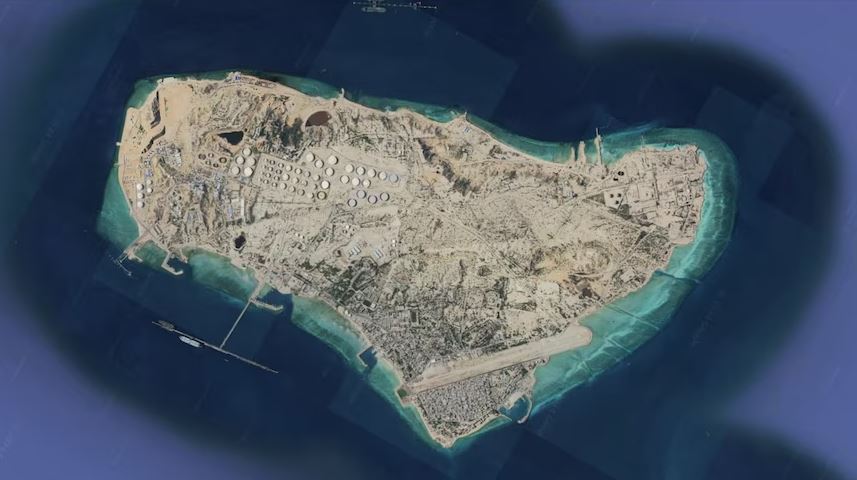
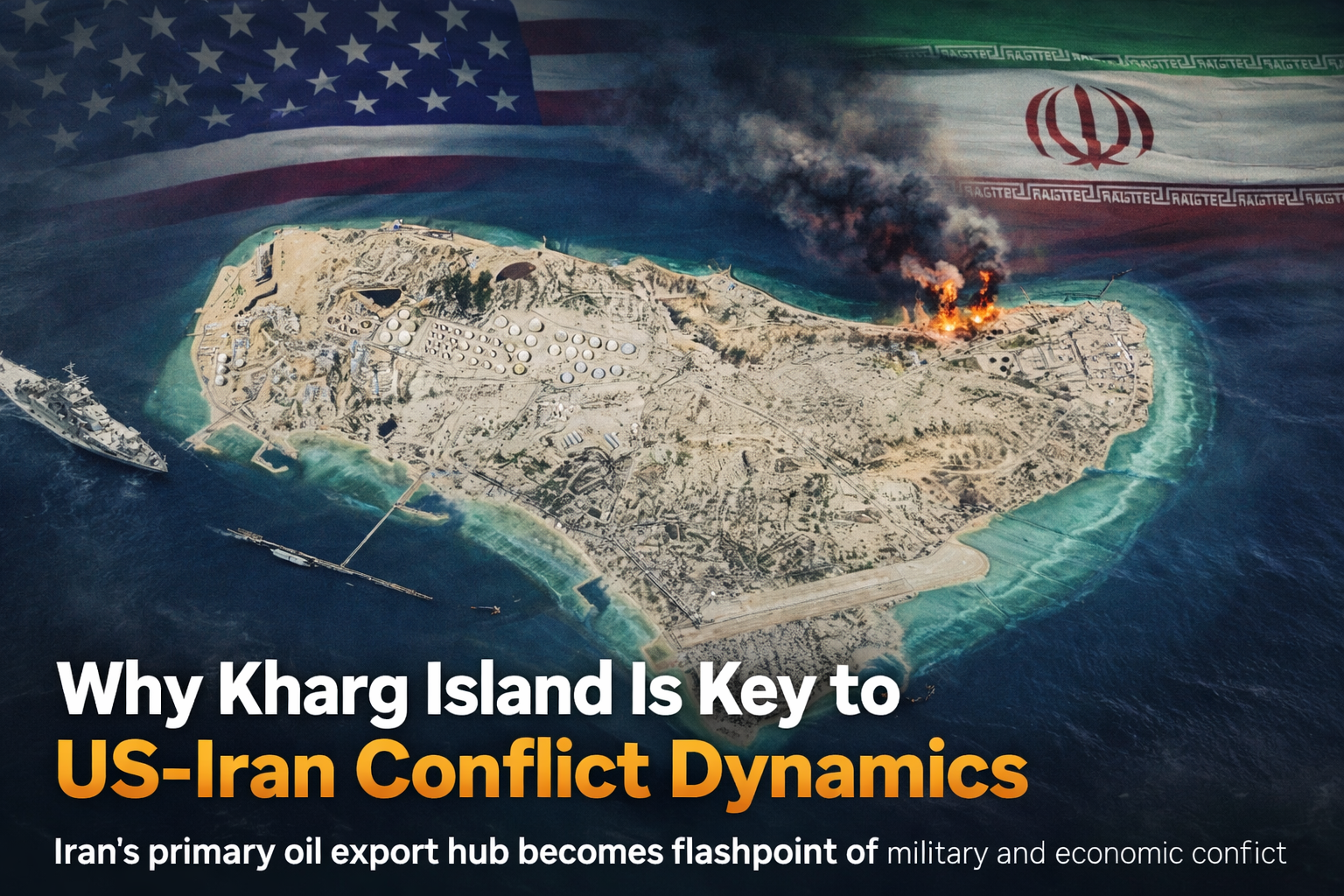
Kharg Island is a narrow coral outcrop in the northern Persian Gulf that has emerged as one of the most strategically important locations in the confrontation involving Iran, the United States, and Israel. Despite being only about five miles long, the island serves as the main hub for Iran's crude oil exports and hosts military assets around the Strait of Hormuz.
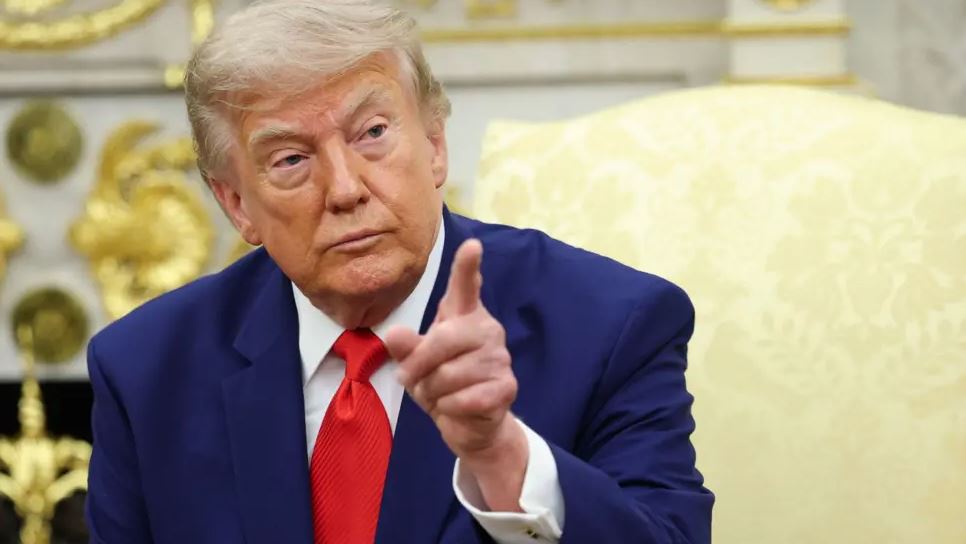
Recently described by US President Donald Trump as Iran's "crown jewel," Kharg Island lies about 30 kilometres off Iran's coast in the northern Persian Gulf. It has served as Iran's primary crude and condensate export and storage terminal since the early 1960s. Pipelines from major producing hubs feed the island. Oil is gathered, stored, and then loaded onto tankers for export. Around 15,000 to 20,000 people live on Kharg, most of them oil workers.
Kharg Island lies in the northern Persian Gulf, around 25 kilometres off Iran's coast and more than 480 kilometres northwest of the Strait of Hormuz. Its importance begins with geography. Much of Iran's coastline is too shallow for the world's largest tankers, but Kharg is surrounded by naturally deep water, allowing VLCCs, the largest oil tankers, to berth directly and load cargoes of up to roughly two million barrels.
In the context of the ongoing US-Iran war, which began on February 28, 2026, Kharg has moved from being a footnote in energy market analysis to the central strategic question of the entire conflict. The island is not just an oil terminal. It is the pressure point through which Washington believes it can break Tehran's resistance, reopen the Strait of Hormuz, and force a negotiated end to a war that is now destabilising global energy markets at a scale not seen in decades.
Who Controls Kharg Island Right Now and What Has Already Happened There
What the US Struck on March 13 and What It Deliberately Spared
On March 13, 2026, the United States Air Force conducted a large bombing raid on Kharg Island. The strikes targeted more than 90 Iranian military sites but deliberately spared oil and gas infrastructure.
Trump said US forces struck military targets on the island while avoiding its oil infrastructure, writing: "Moments ago, at my direction, the United States Central Command executed one of the most powerful bombing raids in the history of the Middle East and totally obliterated every military target in Iran's crown jewel, Kharg Island."
Joint Chiefs Chairman Dan Caine said the precision strikes were conducted against more than 90 targets on Kharg Island, including "all of their military-only infrastructure, which included air defenses, naval base, mine storage and deployment facilities."
The decision to spare the oil infrastructure was deliberate and calibrated. Trump warned that the decision to spare Kharg's oil facilities could change, stating: "Should Iran, or anyone else, do anything to interfere with the Free and Safe Passage of Ships through the Strait of Hormuz, I will immediately reconsider this decision."
Who Has Been Moving Forces to Kharg Since the Strikes
Iran has been laying traps and moving additional military personnel and air defences to Kharg Island in recent weeks in preparation for a possible US operation to take control of the island, according to multiple people familiar with US intelligence reporting on the issue.
The US military had already targeted Kharg with strikes on March 13, with Central Command confirming that 90 targets had been hit, including "naval mine storage facilities, missile storage bunkers, and multiple other military sites." The strikes degraded some of its air and sea defences, which include HAWK surface-to-air missiles and Oerlikon anti-aircraft guns.
Central Command maintains near-constant and persistent overhead surveillance of the island, allowing the military to observe both physical and environmental changes in areas that appear to have been laid with traps.
Why the US Wants Kharg Island: The Strategic Logic
What Kharg Represents as an Economic Chokepoint for Iran
The strategic logic behind Washington's focus on Kharg is straightforward once the numbers are understood. Over the last 12 months, around 94 percent of Iran's crude exports originated from Kharg. Of the country's roughly 587 million barrels of crude exports nationwide, around 553 million barrels passed through Kharg alone.
Seizing the island "would cut off Iran's oil lifeline," which is essential for the regime, according to Petras Katinas, a research fellow in climate, energy, and defence at RUSI, a London-based defence think tank. "Of course, with shipping via the Strait of Hormuz now stopped, they cannot sell oil anyway, but looking ahead, seizure would give the US leverage during negotiations, no matter which regime is in power after the military operation ends."
Much of the oil shipped from Iran through Kharg Island is exported to China. Iranian oil accounts for 11.6 percent of China's seaborne imports so far in 2026. Cutting off that revenue stream would simultaneously squeeze Tehran's economy and apply indirect pressure on Beijing.
What Trump's Long-Standing Fixation on Kharg Reveals
This is not a new idea for Trump. As far back as 1988, decades before he was elected, Trump talked about invading the island, telling The Guardian: "One bullet shot at one of our men or ships and I'd do a number on Kharg Island. I'd go in and take it."
According to Marc Gustafson, former head of the White House Situation Room, who previously served under presidents Trump, Biden, and Obama, Trump may be tempted to order US forces to seize Kharg Island for several reasons, including the opportunity to claim a "big PR win", the chance to give US troops a natural barrier from mainland Iran, and the fact that it fits with the president's push to secure maximum leverage over the Iranian regime.
White House officials believe taking Kharg Island would "totally bankrupt" Iran's Islamic Revolutionary Guard Corps, according to one official.
Who Called Kharg the Next Strategic Move on the Chessboard
Former Israeli Defence Minister Yoav Gallant wrote in The Free Press: "On the strategic chessboard of this war, Kharg Island is the next piece."
"If the plan is to win a war against Iran, then taking Kharg Island should be one of the central missions of the conflict. It provides the US with enormous leverage in any negotiations and it's a 'stick' to force the Iranians to stop attacking shipping."
Jan van Eck, CEO of VanEck Funds, told CNBC that Kharg is "where 90 percent of Iran's oil gets exported out of, that is a choke point," adding that Trump appeared to be following the same playbook he used in Venezuela, cutting off oil exports and hard currency to maximise leverage.
What Forces the US Is Moving Into Position
Who Is Being Deployed and What Capabilities They Bring
Two US Navy Amphibious Ready Groups and their embarked Marine Expeditionary Units, numbering at least 3,000 Marines combined, are moving toward the Middle East.
These units, which specialise in rapid-response amphibious landings, raids, and assault missions from Navy amphibious ships, have recently deployed to the region. James Stavridis, NATO's former supreme allied commander, said the ships of a Marine Expeditionary Unit "pack a lot of combat capability."
The Pentagon is also reportedly preparing to send about 3,000 troops from the Army's 82nd Airborne Division to the Middle East. Retired US Army Lt. Col. Daniel Davis estimated there were likely only around 4,000 to 5,000 ground troops being deployed, saying: "That is enough to seize a small target for a period of time."
What Iran's Parliament Speaker Said About the Deployment
Iran's Parliament Speaker Mohammad Bagher Ghalibaf posted publicly that "Iran's enemies, with the support of one of the regional countries, are preparing to occupy one of the Iranian islands. All enemy movements are under the full surveillance of our armed forces. If they step out of line, all the vital infrastructure of that regional country will, without restriction, become the target of relentless attacks."
What the Risks Are and Why Experts Are Warning Against a Ground Operation
Who Would Be Most at Risk and What Iran Can Still Do
An operation to seize Kharg Island is likely to have the opposite effect by incurring significant costs for little operational or strategic gain that can be achieved more effectively through other means. A seizure and occupation of Kharg Island is more likely to expand and extend the war than it is to deliver any sort of decisive victory.
Before any ground operation, US forces would have to pass through the Strait of Hormuz and into the northern Persian Gulf, contending with Iranian drones, ballistic missiles, and mines in the waterway. According to Stavridis: "Once in position off Kharg, the Marines would need ironclad air and sea superiority over at least 100 miles around the island."
The proximity of Kharg Island to the mainland would also leave US forces within range of Iranian multiple launch rocket systems and potentially even cannon artillery firing rocket-assisted projectiles. An additional and underappreciated threat could come from Iranian first-person view drones. Russia and Ukraine have developed technologies and tactics to extend the range of these quadcopters to 20 miles, and even developed un-jammable fibre-optic drones with a range of around 30 miles.
Why Seizing Kharg May Not Even Reopen the Strait of Hormuz
This is the most significant strategic flaw in the seizure argument, and it is one that military analysts have been pressing for weeks. Iran's military capabilities on the island, which were already targeted by US strikes on March 13, are not particularly militarily relevant to the situation in the strait, given the more than 350 miles between these locations. If US Navy ships are providing force protection around Kharg and convoying resupply ships to the island, they will have less availability to conduct convoy operations for merchant traffic through the strait.
Seizing Kharg would also enhance Tehran's ability to inflict costs on Washington. Iran is currently limited to primarily using its diminishing long-range capabilities, but placing US troops on the island would allow Iran to employ much more of its arsenal at close range.
What Former US Central Command Leader Said About the Numbers
Former US Central Command leader Joseph Votel commented that while only 800 to 1,000 troops might be needed on Kharg Island itself, they would require substantial logistical support and protection, raising serious doubts about the tactical benefits of such an operation.
A senior official from a Persian Gulf country, speaking on condition of anonymity, said Iran was "not weak enough yet" for the US to take Kharg. "Iran still has tools that it can make an occupation force by the US still very risky. The regime is definitely not cracking. It's weaker, but it's not cracking."
What Alternatives Exist and What the Diplomatic Track Looks Like
Who Is Arguing for Options Other Than Ground Seizure
There are plenty of other, less risky ways to deny Iran the ability to export oil, if leverage is what Trump wants. It would not be very hard to stop ships carrying Iranian oil in the Persian Gulf or out in the Arabian Sea. The US could also steadily destroy Iranian facilities on the island from the air as long as Tehran refuses to meet US terms or reopen the strait.
The relatively limited level of deployment is perhaps best understood as a tool of coercive leverage, as the Trump administration seeks to increase its bargaining power and signal that it has options if diplomacy fails.
What Trump's 10-Day Extension Signals About the Diplomatic Window
US President Donald Trump's move to give Iran a 10-day extension to open the Strait of Hormuz appeared to temper the immediate prospect of a US ground incursion. The president said he would pause attacks on Iran's energy infrastructure through to April 6, adding that talks with Tehran were "going very well."
Trump threatened Iran, stating that if the blockade of the strait is not lifted, he will target Iranian power plants. Given Iran's defiant response to the president's warnings, it is considered unlikely that Tehran will end the naval blockade voluntarily.
Whether Iran Has Any Alternative Oil Export Routes
Iran has tried to build alternative export routes, but none comes close to replacing Kharg. The most important is Jask, located on the Gulf of Oman outside the Strait of Hormuz. The Goreh-Jask pipeline, which feeds the terminal, was designed for up to one million barrels per day, but its effective capacity is widely estimated at closer to 300,000 barrels per day. By comparison, Kharg alone has historically exported around 1.5 to 2.0 million barrels per day.
This asymmetry is precisely what makes Kharg so decisive. Tehran has no realistic substitute for it at scale, and Washington knows it.
What This Means: The Bigger Strategic Picture
The question of whether the US seizes, blockades, or simply continues bombing Kharg Island is not only a military decision. It is the defining strategic choice of the 2026 Iran war, and its consequences extend far beyond the Persian Gulf.
Any strike on Kharg's oil infrastructure would hit Iran's main source of revenue. It would also indirectly affect China, which has emerged as the sole destination for discounted Iranian crude despite sanctions.
Although Iran itself contributes only three to four percent of global oil supply, its geographic position along the Strait of Hormuz gives it the ability to threaten a far larger portion of global energy flows. About 20 percent of the world's oil supply passes through this chokepoint every day.
The current diplomatic pause, with Trump's April 6 deadline, represents the last realistic window in which a negotiated resolution avoids the next and most dangerous escalation. If that window closes without agreement, the US faces a choice between tolerating a prolonged Hormuz blockade that is already reshaping global energy markets or ordering a ground operation that most military experts believe will deepen the war rather than end it.
Kharg Island's economic importance to Iran makes it particularly vulnerable to the threat of military action, although analysts warn that any attempt to seize it would likely require a full ground troop operation at a time when oil prices have soared to nearly $120 a barrel. That combination of maximum leverage and maximum risk is what defines Kharg Island's place in this conflict. It is simultaneously the most powerful card Washington holds and the most dangerous one to play.