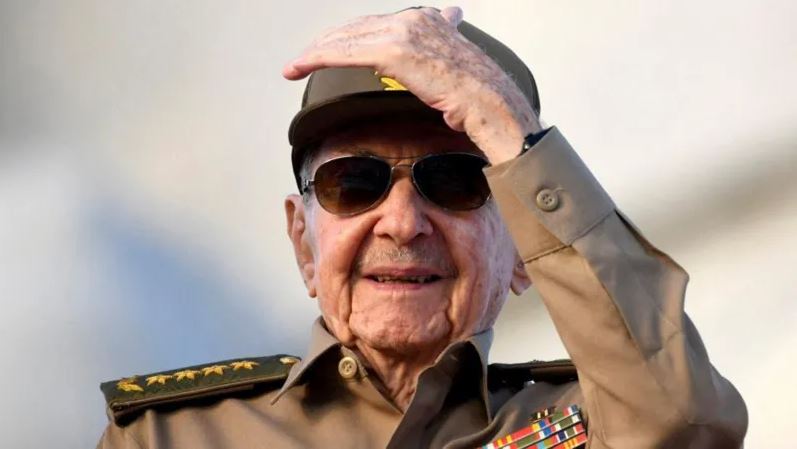
US officials announced federal charges on May 20 against former Cuban President Raúl Castro for the 1996 shootdown of two civilian planes that killed four people, including three Americans. The announcement was made on Cuban Independence Day at Freedom Tower, a downtown Miami skyscraper historically known for processing thousands of Cuban refugees in the 1960s and 1970s.
The indictment, unsealed on May 20, 2026, charges Castro and five others with murder and conspiracy. It also alleges that Cuba's intelligence agency tasked a network of spies in Florida with informing on Brothers to the Rescue.
Key charges against Raúl Castro include:
- One count of conspiracy to kill US nationals
- Four counts of murder
- Two counts of destroying an aircraft
The indictment was originally returned on April 23 and included additional defendants who were the airmen allegedly involved in executing the shootdown.
What Happened on February 24, 1996
On February 24, 1996, Cuban military MiG fighter jets shot down two unarmed civilian aircraft operated by Brothers to the Rescue over international waters in the Florida Straits, killing three American citizens and one US permanent resident. The attack was widely condemned, including by the United Nations Security Council, and the International Civil Aviation Organization later confirmed the planes were unarmed and outside Cuban airspace at the time.
In the 1990s, Brothers to the Rescue was a Miami-based volunteer organization that carried out regular flights attempting to find and assist Cubans trying to sail to the US.
Castro, Cuba's defense minister at the time, is alleged to have ordered the attack.
The victims killed in the attack were:
- Armando Alejandre Jr.
- Carlos A. Costa
- Mario de la Peña
- Pablo Morales
In the years that followed, a US District Court found Cuba liable for planning the operation. A federal jury convicted Cuban intelligence agent Gerardo Hernández of conspiracy to commit murder for facilitating the attack, and a US grand jury indicted the Cuban pilots and their commanding general. Congress also strengthened sanctions by enacting the Cuban Liberty and Democratic Solidarity Act of 1996.
Political and Diplomatic Fallout from the Indictment
Acting US Attorney General Todd Blanche said the charges were the result of decades of investigative work and intelligence gathering.
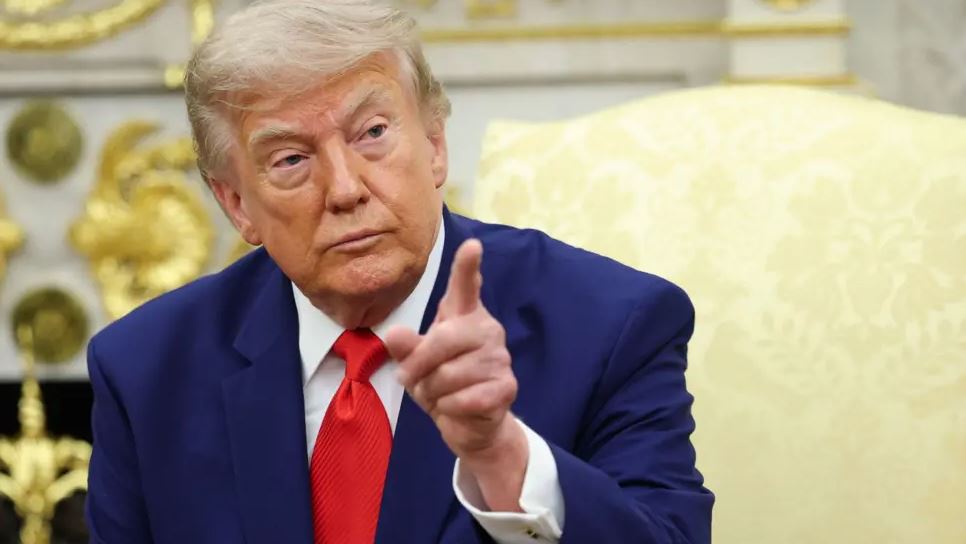
The Trump administration's indictment of Raúl Castro is aimed at further pressuring the Cuban regime into a deal to open up its economy, while making clear that military action is now an option if President Donald Trump so chooses.
Cuba's current leader, Miguel Diaz-Canel, dismissed the charges as political theatre and accused the Trump administration of lying and manipulating the events of 1996 to justify military aggression against Cuba. Cuba's Foreign Affairs Minister Bruno Rodríguez Parrilla also condemned the indictment, calling the allegations against Castro illegitimate and illegal.
At the time of the shootdown, Raúl Castro was the country's defense minister, and the indictment alleges he authorized force against Brothers to the Rescue. In a 1996 interview with CBS Evening News anchor Dan Rather, then-Cuban President Fidel Castro acknowledged that he issued general orders to stop planes from encroaching on the country.
Cuban-American Republican lawmakers had long pushed the Justice Department to bring charges against Raúl Castro. In a February letter to then-Attorney General Pam Bondi, lawmakers including Rep. Mario Diaz-Balart urged the Justice Department to prosecute Castro, citing evidence including reports of a recording of radio traffic that indicates he ordered the shootdown.