In fifteen years of covering climate negotiations, I have watched legal commitments dissolve into voluntary pledges and missed targets with predictable regularity. What is scheduled to happen on May 20, 2026, at the United Nations General Assembly (UNGA) is structurally different. For the first time, member states will vote on whether to operationalize a binding legal ruling from the world's highest court into a concrete multilateral framework for climate accountability. The political resistance to it tells you exactly how much is at stake.
What the Vote Is and Why May 20 Matters
On May 20, UN member states will consider a resolution to welcome and operationalize the International Court of Justice's (ICJ) historic Advisory Opinion on states' obligations in respect of climate change, which clarified that they have binding legal duties to prevent and repair climate harm.
The final text of the resolution was released on May 1, 2026. On the same day, Vanuatu announced the possibility for states to co-sponsor the resolution. The resolution aims to operationalize the ICJ's findings, ensure legal clarity, and build pathways to advance and enhance multilateral cooperation and responsibility.
- UN experts expressed concern about attempts to block discussion of the proposal, warning of a "disturbing pattern of growing obstruction across UN processes against explicit references to fossil fuels and the ICJ Advisory Opinion."
- That the resolution is contested exposes efforts to evade responsibility. Those most responsible for the crisis will often be the first to resist accountability.
The ICJ Advisory Opinion: What the Court Actually Said
On July 23, 2025, the Court delivered its advisory opinion in response to a UNGA resolution adopted on March 29, 2023, requesting the ICJ to give an advisory opinion on the obligations of states in respect of climate change.
In a rare unanimous opinion, the ICJ made it clear that protecting the global climate system is a legal obligation, not a political choice.
Key Legal Findings from the 2025 ICJ Opinion
- Limiting global temperature rise to below 1.5 degrees Celsius above pre-industrial levels should be the primary temperature goal for all states, consistent with the Paris Agreement.
- International human rights law should be applied to determine states' duty in addressing the climate crisis, rather than being limited to specific climate agreements.
- The failure to phase out fossil fuels constitutes a wrongful act, including any continued exploration and provision of subsidies to the fossil fuel industry.
- States must cooperate to mitigate climate change and adapt to it to minimize harm, including through providing finance, technology and know-how.
- The ICJ also made clear that legal consequences may arise when countries breach these obligations and cause climate harm.

How Pacific Island Students Started This Entire Process
The origin of this resolution is one of the most remarkable stories in modern environmental advocacy.
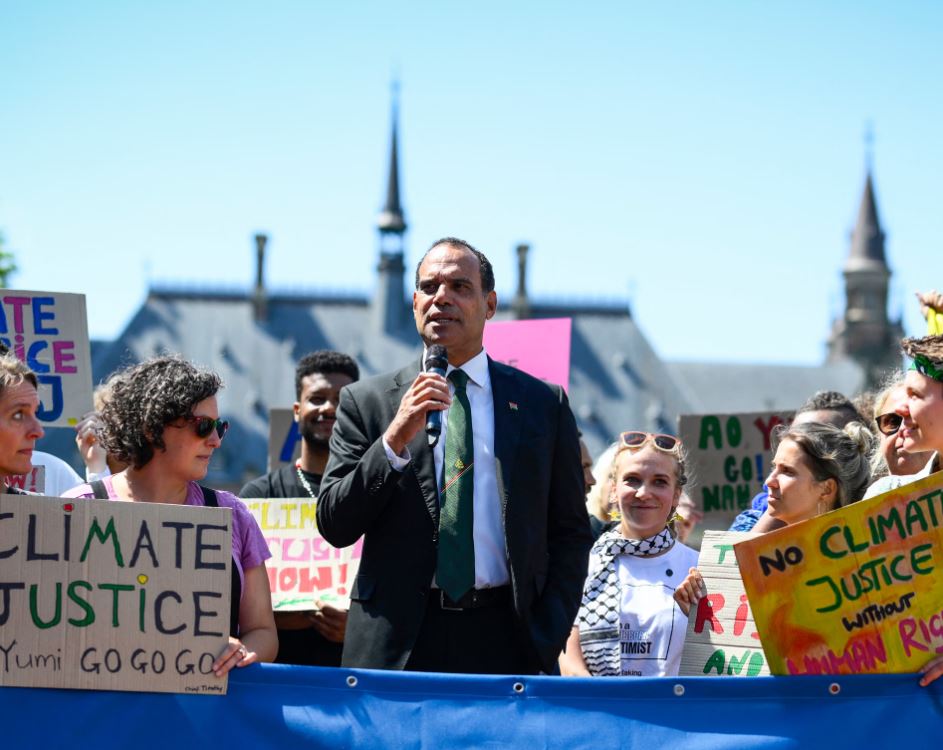
In 2019, a group of 27 law students from the University of the South Pacific in Vanuatu began campaigning to take the issue of human-induced climate change and its impacts on human rights to the International Court of Justice. Their initiative led the ICJ to issue a landmark Advisory Opinion in July 2025, which made it clear that governments have a legal obligation to protect human rights against climate change.
On March 29, 2023, history was made when more than 130 member states voted for the resolution that enabled the ICJ Advisory Opinion, the first time a UNGA resolution for an advisory opinion was adopted by consensus.
What the Resolution Proposes
The draft resolution proposes several measures, including adopting nationally determined contributions to atmospheric carbon levels consistent with the Paris Agreement, phasing out fossil fuels, and creating a record of loss and damage linked to climate change. This last measure represents a significant opportunity for affected countries to claim compensation for environmental damages, particularly developing countries hosting indigenous communities that are most impacted by climate change effects.
Claims that the resolution duplicates existing processes, particularly under the UNFCCC, miss the point. The climate treaty regime has yet to deliver accountability. It has not delivered on ambition, nor on the imperative to phase out fossil fuels, and certainly not on tackling loss and damage. The draft resolution text explicitly seeks to ensure coordination, coherence and complementarity with existing processes while closing the accountability gap.
The Urgency Behind the Timing
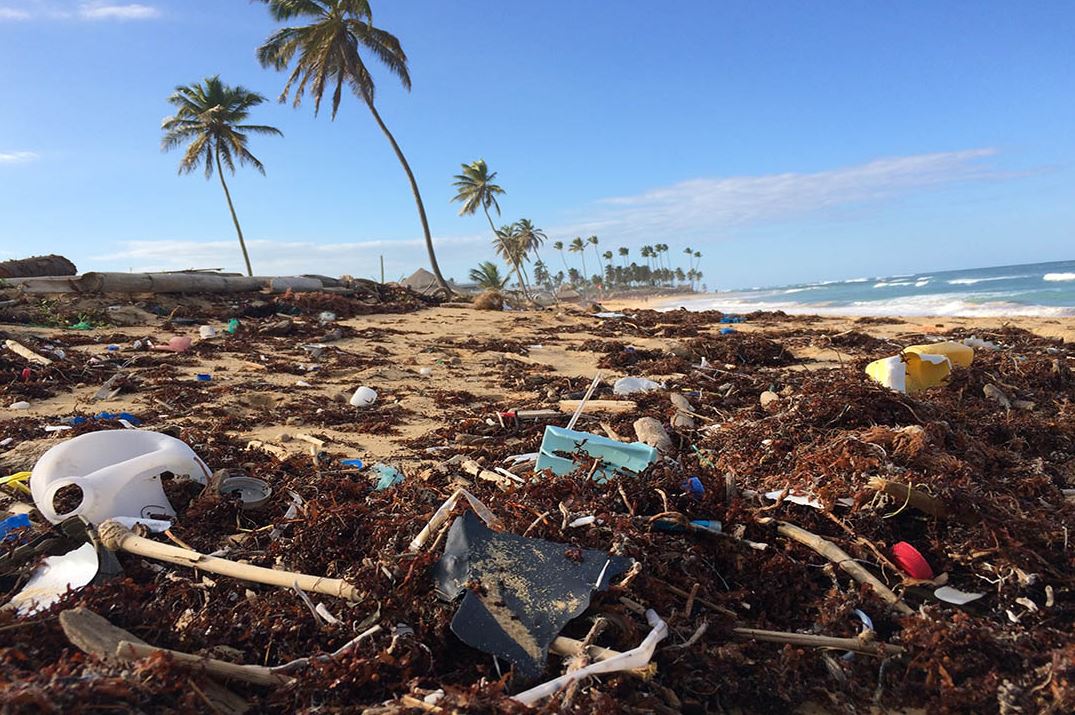
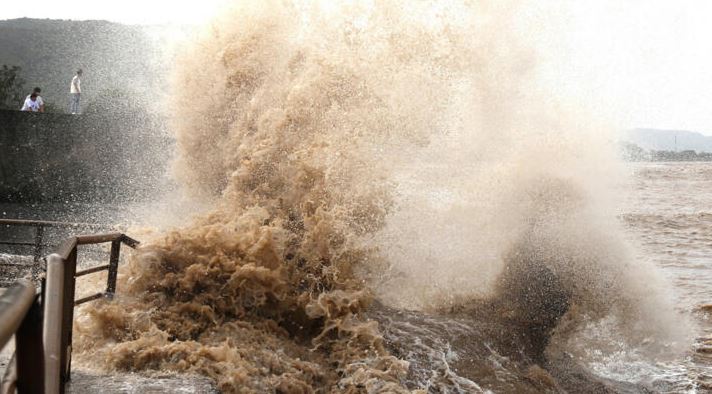
The proposal comes amidst new data indicating that the 1.5 degrees Celsius limit on global temperature rise under the Paris Agreement could be exceeded as early as May 2029, and recent cyclones, hurricanes, forest fires and floods across Asia, Latin America and the Caribbean, Europe and Africa have already caused severe human rights impacts and losses.
Recent actions by major world leaders, including US President Trump's revocation of the "endangerment finding" on greenhouse gases, have weakened global climate action. This has included defunding key international climate bodies and rolling back multilateral climate cooperation.
The UNGA resolution comes amid a global rollback of states' obligations to prevent environmental damage, including the European Union's Omnibus I package, which removes businesses' obligations to conduct environmental and human rights due diligence, as well as the US withdrawal from the Paris Climate Accords.