The numbers are hard to understand. In 2024, extreme weather closed schools or hurt learning for a massive group of kids. The total count was larger than the entire population of Brazil. This is not just a guess. It is a real count from UNICEF. The agency did its first full study on how climate events hit schools worldwide. The findings show that world leaders must act fast to protect our kids.
How Big the Problem Has Become
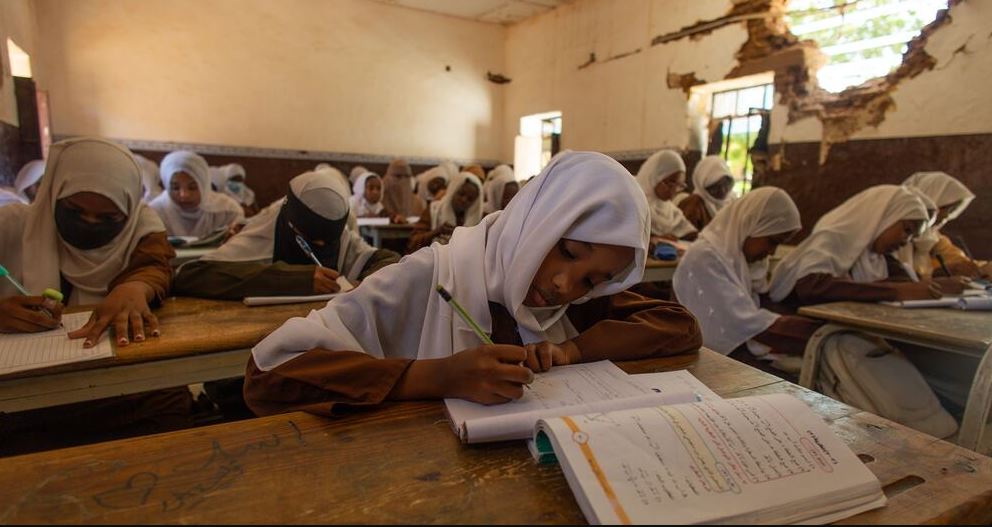
In 2024, extreme weather hit schools hard. Heat, storms, floods, and droughts hurt learning for at least 242 million kids. That is one in seven students worldwide, from pre-school through high school.
The harm was not the same everywhere:
South Asia: 128 million students suffered disruptions.
East Asia: 50 million students faced impacts.
Entire Countries: Bad weather closed all schools in at least 20 states.
Poor Nations: Low-income areas held 74 percent of affected kids. These places already have weak school systems.
Africa: Climate shocks put 20 million more kids at risk of dropping out. The region already had 107 million out of school.
Heatwaves caused the most trouble. In April alone, heat kept 118 million kids from class across five Asian nations. Cambodia even cut school days short by two hours. By May, heat in parts of South Asia reached 116 degrees Fahrenheit. That heat put kids at real risk of heat stroke.
The Learning Loss That Follows Every Closure
When schools close for bad weather, kids do not easily make up for lost time. The harm to their learning goes far beyond a few missed days.
Young kids in grades three through five lose at least two weeks of progress in math and reading for every single week of missed school due to severe weather. This means bad weather causes much more harm than the missed days show.
The trouble goes deeper than low test scores:
Health and Stress: Heat, storms, and floods damage school buildings and books. They block paths to school and hurt a child’s memory, focus, and health.
Dropout Risks: Long closures mean many kids never go back to class. In poor areas, kids face higher risks of early work or early marriage.
Loss of Towns: Towns hit by disasters lose homes and jobs. People move away, which lowers school budgets for years.
Poor Tech Access: Poor families lack good internet, books, or nearby schools. They face the hardest path to keep learning at home.
The United States faces this threat too. In the 2024-25 school year, over 9 million U.S. students saw classes cut or canceled due to extreme weather.
A Crisis That Will Worsen Without Structural Action
A ten-year-old child in 2024 faces a tough future if the planet warms by 3 degrees Celsius. Compared to a child born in 1970, they will see:
Wildfires & Storms: Twice as many fires and tropical storms.
Floods: Three times as many river floods.
Crop Losses: Four times as many crop failures.
Droughts: Five times as many severe droughts.
New data show that earlier reports missed the full picture. Many states lack strong tracking tools. This means the count of 242 million hit students is just a starting point. The true scale of harm is likely much higher.
Explore the More story and facts: Read More..