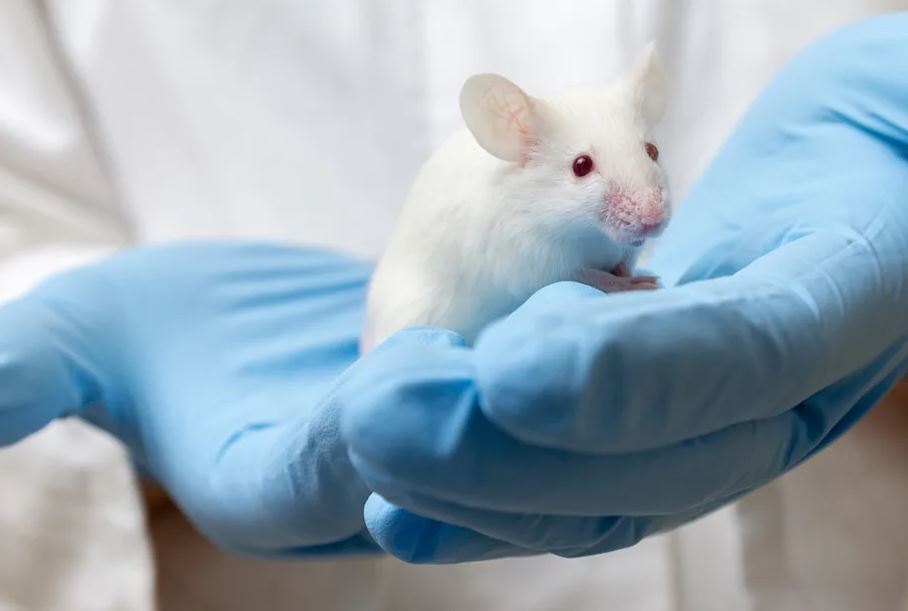
Evolute Bioscience signed a new deal to end all animal tests in its classes. The Trichy startup will use free virtual software instead.
PETA India and Simcology India provided the software for free. Simcology India is a software developer based in Himachal Pradesh.
This step makes the startup one of the most progressive science centers in Tamil Nadu. It sets a clear example for other science schools across India to follow.
What Evolute Bioscience Has Done and Why It Matters
Who Is Evolute Bioscience and Where Is It Based
Evolute Bioscience is a small firm in Trichy, Tamil Nadu. NIT graduates started the firm on November 11, 2020. They wanted to help science and pharma students turn school ideas into real work skills.
The team teaches students through hands-on practice. Their main goal is to prepare young students for real industry jobs.
The firm chose to stop all animal tests in its classes. This decision shows where safe and modern science learning in India is going today.
What Agreement Was Signed and What It Covers
Evolute Bioscience signed a deal with PETA India to stop using real animals in its classes. The school will no longer use live or dead animals for teaching, training, or student research.
The firm also stopped plans to buy 50 mice each year for new student tests.
Plans to use 60 zebrafish for lab tests were canceled, too. The team will end all tests on these fish as soon as the new software from Simcology is ready.
What Role PETA India Played in the Transition
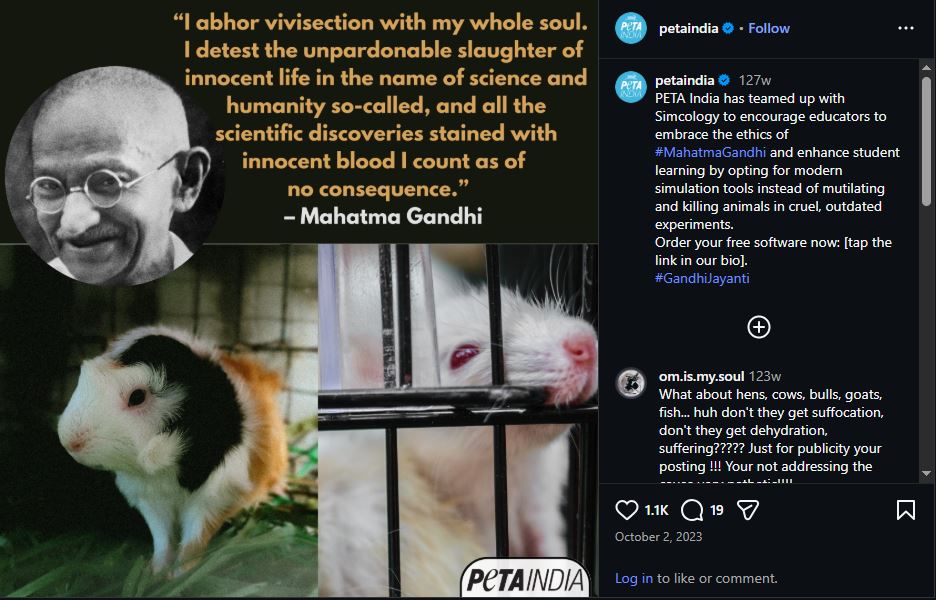
PETA India inspired this move by sharing the value of animal-free teaching methods. They worked with Simcology India to give out the free software.
PETA India is working to end animal tests in classrooms across the nation. They offer Simcology's virtual lab software at no cost. They also joined with a New Delhi health group to offer free Ex-Pharm software to teachers.
PETA India scientist Anjana Aggarwal said new tech offers better and safer ways to train students. She noted that mice do not match human body needs well, and she urged other schools to join the movement.
What Simcology's Software Actually Does
SIMCOLOGY created a virtual lab software to help students learn without using live animals. Built in India, it helps schools follow local rules that call for modern, safe teaching tools.
The software lets students run tests on computers. This saves animals from harm, pain, and death in classroom labs.
This step helps in practical ways, too. Teachers can reset and replay a virtual test at no extra cost. Schools save money on real tools and skip long waits to buy live animals.
What the Science Says About Virtual Simulation in Pharmacology
How Computer Simulation Compares to Live Animal Testing for Education
Science shows strong support for using virtual models instead of live animals in classrooms. Research shows that computer models let students practice many times on their own. This saves animals from pain and fear. Studies show that students learn drug concepts faster and score better on tests when using computer tools instead of real animals.
Indian health and education groups already ban live animal use for basic pharmacy and medical students. They favor modern tech tools instead.
In 2022, India updated its medical rules to recommend non-animal learning methods. Evolute Bioscience went a step further than the rules required. The firm chose a total ban on animal tests rather than doing the bare minimum.
What Students Gain from Virtual Pharmacology Training
Modern computer tools for pharmacology offer virtual labs, guides, test modes, and performance tracking. These tools help medical, pharmacy, and animal science students run real-world virtual tests that follow Indian education standards.
Many students feel uncomfortable using live animals in class labs. Virtual tools offer a safe, low-cost option that saves animal lives and gives students skills for modern science careers.
Research shows that animal tests drive some bright students away from science fields entirely. Removing this barrier helps attract more top talent to the Indian biotech and drug research industry.
What the Leadership of Evolute Bioscience Said
Who Made the Decision and What Was Their Reasoning
Preyenga Saravanan, head of Evolute Bioscience, thanked PETA India for the free Simcology software. She said the software replaces live animal tests while improving the quality of student learning.
Her words are key to note. She did not frame the choice as just a moral move. She linked it directly to better student results. This gives other schools a solid, real-world reason to make the same change.
Evolute Bioscience aims to bridge the gap between book study and real work. Using virtual tools fits this main goal perfectly. It builds student skills using new tech without the high cost or ethics issues of live animal use.
Why This Decision Has Wider Implications for Indian Biotech Education
What This Means for Other Pharmacology Programs in India
Computer software programs can be used over and over. This saves both time and money. It also helps protect nature by saving animal lives. The programs replace lab tests where animals are forced to eat, drink, or breathe chemicals. They also replace tests where animals are infected with diseases, hurt, and then killed.
The model used by Evolute Bioscience is easy to afford. PETA India and Simcology gave the software for free. This removes the biggest cost problem for small science schools that want to stop using live animals.
The Pharmacy Council of India also made rules clear. Schools that use computer programs do not need an Animal House or special government permits. This rule change removes legal worries and cuts the cost of switching to virtual labs.
Who Else Should Follow Evolute Bioscience's Example
Evolute Bioscience sets a strong example for other schools to follow. It promotes kindness and new ideas in science classes. Hundreds of private science schools operate across Tamil Nadu. Many run on a small scale. Most still buy and use live animals for simple class steps that serve no real research goal. Simcology software fixes this exact issue.
The larger Indian drug industry also gains from this shift. Modern drug research depends on well-trained students. Students who learn on virtual systems build strong computer skills. These skills are vital for modern drug testing, clinical trials, and official health reports today.
Explore more research-based facts: Read More..