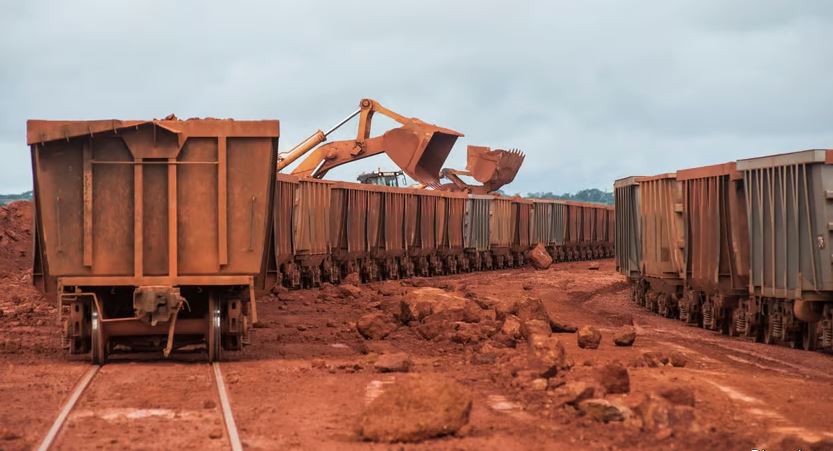
Falcon Energy Materials plc, a Toronto Venture Exchange listed resource company with headquarters in Abu Dhabi, has formally initiated international arbitration proceedings against the Republic of Guinea through the World Bank's International Centre for Settlement of Investment Disputes. The claim seeks US$100 million in compensation for the alleged unlawful expropriation of the Lola Graphite Project in West Africa. This action represents a critical juncture in mining investment protection and underscores growing tensions between developing nations and foreign resource companies over critical mineral access in the energy transition era.
The dispute carries significant ramifications for battery materials supply chains, geopolitical dynamics in West Africa, and international investment treaty enforcement mechanisms. Falcon Energy Materials operates with current market capitalization of approximately Canadian $153 million, reflecting investor confidence despite ongoing regulatory challenges in Guinea.
What Triggered This Investment Dispute?
The underlying dispute originates from a presidential decree issued by Guinea's government in May 2025 that revoked more than 50 exploration and mining permits across the country. This sweeping regulatory action affected permits for bauxite, gold, and graphite assets. The decree specifically revoked Falcon's exploitation license for the Lola Graphite Project, situated approximately 1,000 kilometers southeast of Conakry near the Liberian border in the Kindia Region.
Falcon maintains that the revocation violated Guinea's 2011 Mining Code and contravenes the bilateral investment treaty framework. The company asserts it received no formal written notice from Guinea's Ministry of Mines prior to the decree's issuance, directly contradicting procedural requirements established in Guinean mining legislation.
Who Owns the Lola Graphite Project and What Makes It Valuable?
Falcon Energy Materials has held development and exploration rights to the Lola Graphite Project since 2019, when the company obtained its initial exploitation license from Guinea's Ministry of Mines. The deposit represents a substantial natural graphite resource of strategic importance to global battery supply chains.
The project contains measured and indicated mineral resources of approximately 54 million tonnes grading 3.98 percent graphitic carbon, yielding contained mineral resources of 2.15 million tonnes. In 2022, Falcon published an updated feasibility study estimating capital expenditure requirements at US$185 million for mine development. By December 2024, the company had advanced planning for an integrated supply chain combining the Guinea mining operation with a US$73 million processing facility in Morocco to produce coated spheronized purified graphite for lithium-ion battery anodes.
The economic framework demonstrates a vertically integrated strategy to supply critical anode materials to European battery manufacturers. Falcon's financing position strengthened following closure of a Canadian $25 million private placement in February 2026, indicating continued shareholder confidence in the project's long-term recovery prospects.
How Does the ICSID Convention Protect Investor Rights?
Falcon's arbitration claim rests upon the bilateral investment treaty concluded between the governments of the United Arab Emirates and Guinea. The company filed a Request for Arbitration with the International Centre for Settlement of Investment Disputes, an autonomous institution operated under the auspices of the World Bank. The legal framework governing this dispute is the Convention on the Settlement of Investment Disputes between States and Nationals of Other States, commonly known as the ICSID Convention.
The ICSID Convention provides a critical enforcement mechanism absent from many alternative dispute resolution frameworks. The convention has been ratified by 158 sovereign states, including the Republic of Guinea. Awards issued by ICSID tribunals are enforceable as if they were judgments of the national courts of any signatory state. Historically, states have demonstrated substantial voluntary compliance with ICSID tribunal awards, reducing enforcement litigation costs compared to ad hoc arbitration mechanisms.
This enforceability framework represents a significant advantage for Falcon's claim. The tribunal will assess whether Guinea's decree constitutes a breach of fair and equitable treatment standards, prohibitions on expropriation without compensation, and other substantive protections contained in bilateral investment treaties. The tribunal may issue orders for compensation covering lost asset values and subsequent economic damages.
What International Law Expertise Is Backing Falcon's Claim?
Falcon has retained LALIVE, a specialized international arbitration law firm with offices in Geneva, Zurich, and London, to represent its interests throughout the ICSID proceedings. LALIVE maintains extensive demonstrated experience in international investment arbitration affecting mining and natural resource sectors globally. The firm has represented both investor claimants and state respondents in complex treaty-based disputes, providing institutional knowledge of tribunal decision-making patterns and strategic positioning in resource investment claims.
The selection of specialized counsel reflects Falcon's commitment to presenting a comprehensive factual and legal record regarding Guinea's alleged treaty violations. The company's management stated readiness to present claims encompassing direct asset loss and additional damages resulting from governmental action, subject to tribunal jurisdiction and remedies available under the applicable investment treaty framework.
How Is Falcon Advancing Its Business Strategy During Arbitration?
Despite loss of Guinea operational control, Falcon Energy Materials continues advancing integrated battery materials production capabilities in more stable jurisdictions. The company is constructing a pilot processing facility in Morocco while simultaneously conducting environmental impact assessments for full-scale commercial production. First production from the Morocco facility is targeted for the second half of 2027, establishing alternative supply chain routes independent of Guinea's political environment.
CEO Matthieu Bos stated that shareholder support remains firm, with capital raised through the February 2026 private placement providing sufficient resources to cover all anticipated legal expenditures throughout the arbitration timeline. Share market reaction on March 16, 2026 reflected modest investor confidence, with stock appreciation of 2.3 percent raising Falcon's market valuation to Canadian $153 million, equivalent to approximately US$112 million at contemporaneous exchange rates.
Why Does Falcon's Graphite Project Matter for Global Battery Markets?
The Lola Graphite Project holds significance extending far beyond a single company's investment dispute. Coated spheronized purified graphite represents a critical component in lithium-ion battery anode technology, essential to electric vehicle manufacturing and stationary energy storage systems. Supply chain vulnerabilities in critical mineral processing have attracted sustained attention from policymakers in North America, Europe, and Asia as nations compete to establish battery manufacturing independence.
The dispute demonstrates tensions between sovereign regulatory authority and foreign investor protection frameworks. Guinea's 2025 permit revocation reflects broader assertions of mineral resource nationalism across African and developing markets. However, wholesale permit revocation without due process or compensation creates substantial sovereign risk deterring foreign direct investment in mineral development. This case will establish precedent for how tribunals evaluate government authority to rescind mining licenses granted under treaty protections.
Should Falcon prevail in arbitration, the award could significantly validate investor protection mechanisms and encourage continued foreign capital deployment in African graphite assets. Conversely, tribunal findings favoring Guinea's sovereign authority to revoke permits might embolden additional permitting challenges globally, increasing operational uncertainty for mining companies with African operations.
What Specific Treaty Breaches Does Falcon Allege?
Falcon's Request for Arbitration identifies breaches of the bilateral investment treaty between the United Arab Emirates and Guinea. The company contends that Guinea's permit revocation constitutes unlawful expropriation under international law. Additionally, Falcon alleges violation of fair and equitable treatment obligations requiring states to provide transparent, nondiscriminatory regulatory processes protecting legitimate expectations of investors holding valid licenses.
Procedural violations strengthen Falcon's position. The company maintains that Guinea provided no formal notice of revocation intent prior to the decree's issuance, deviating from administrative law standards even under Guinea's own Mining Code. The 2011 Mining Code contemplates procedures for permit revocation including opportunity for licensee response and, in certain circumstances, compensation for loss. Unilateral revocation by presidential decree without following specified procedures may constitute expropriation requiring compensation.
ANALYSIS: COMMERCIAL IMPLICATIONS AND MARKET CONTEXT
Falcon's arbitration filing reflects a measured calculated response to permit revocation. Rather than pursue unilateral regulatory challenges within Guinea's domestic judicial system, the company exercised the bilateral investment treaty mechanism available through UAE incorporation. This strategic choice reflects confidence in international arbitration frameworks and skepticism regarding Guinea's judicial independence. The move demonstrates how critical mineral companies increasingly structure investments through treaty-protected jurisdictions, leveraging international law as a counterweight to sovereign regulatory authority.
Falcon's simultaneous advancement of Morocco processing capacity suggests pragmatic operational continuity planning. Rather than adopt a defensive posture during arbitration, management is positioning the company for commercial viability independent of Guinea permitting outcomes. The Morocco facility development demonstrates management's intent to maintain operational momentum, shareholder confidence, and technical readiness to monetize graphite supply agreements once international supply chain procurement policies stabilize.
From market perspective, Falcon's February 2026 private placement financing success at Canadian $25 million indicates investor recognition of lawsuit potential recovery value. Venture capital market confidence in arbitration-backed asset recovery supports continued equity availability as the company navigates multiyear legal proceedings. Stock appreciation following arbitration announcement reflects investor perception that ICSID frameworks provide meaningful recovery probability.
INDUSTRY PRECEDENTS AND COMPARABLE DISPUTE RESOLUTION OUTCOMES
Mining sector arbitration history demonstrates that permit revocation claims face substantial evidentiary burdens. Tribunals distinguish between regulatory modifications reflecting legitimate public policy evolution and uncompensated takings of vested property rights. Successful expropriation claims typically require evidence of sudden policy reversals applied selectively to foreign investors, contradicting prior regulatory commitments. Tribunal analysis examines whether permit revocation served stated regulatory purposes or masked opportunistic asset confiscation.
Precedential mining arbitrations involving African jurisdictions demonstrate varied outcomes. Tribunal awards have recognized government authority to enforce environmental standards or address governance concerns through permit revocation, while simultaneously acknowledging compensation obligations when revocation violated agreed procedures or substantive treaty commitments. The specific factual findings regarding notice adequacy, procedural compliance, and governmental intent will substantially influence Falcon's recovery prospects.
CONCLUSION: INVESTMENT PROTECTION IN CRITICAL MINERAL MARKETS
Falcon Energy Materials' US$100 million damages claim against the Republic of Guinea represents a significant assertion of investor protection mechanisms in critical mineral development. The case encapsulates broader tensions between sovereign regulatory authority and foreign investor security in developing nations with substantial mineral resources. International arbitration frameworks provide alternatives to domestic courts where investor confidence in judicial impartiality remains limited.
The dispute's outcome will carry ramifications extending beyond Falcon's specific financial recovery prospects. Tribunal findings regarding permit revocation authority, procedural requirements, and damages standards will influence future mining investment decisions across West Africa and inform expectations regarding regulatory stability in emerging markets. For Falcon, sustained operational focus on Morocco facility development and strategic capital deployment demonstrates management confidence in long-term recovery prospects while maintaining business continuity independent of arbitration timelines.