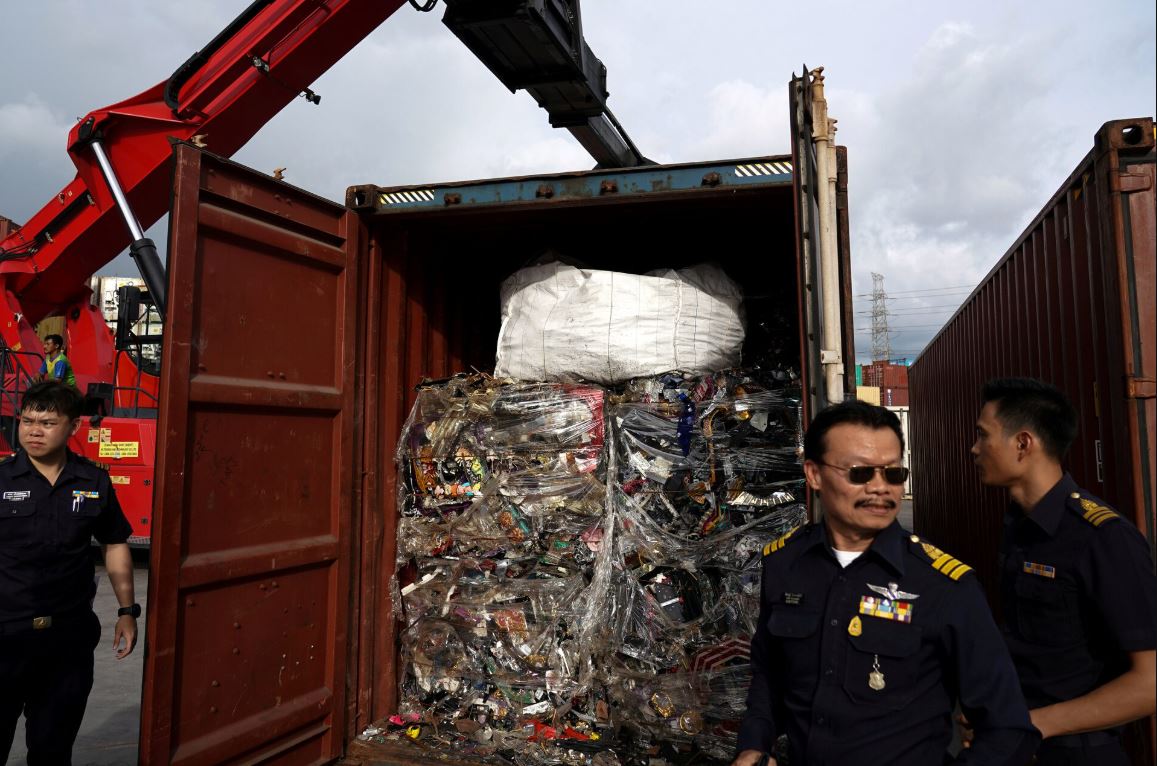
Thai authorities, working alongside Interpol and international customs agencies, have launched a sweeping enforcement action targeting organized criminal networks smuggling electronic waste into Thailand from Europe, North America, and East Asia, seizing thousands of tonnes of illegally imported circuit boards, batteries, and dismantled appliances at ports in Bangkok, Laem Chabang, and Map Ta Phut.
The operation marks a significant escalation in Thailand's commitment to enforcing the Basel Convention and signals growing pressure on destination countries to reject becoming dumping grounds for wealthy nations' discarded electronics.
Why Thailand Became a Major E-Waste Destination
Thailand's manufacturing infrastructure, cheap labor, and historically inconsistent customs enforcement made it an attractive target for criminal networks seeking low-cost processing of hazardous electronic components.
Key factors that drew traffickers to Thailand:
- Proximity to major Asian recycling hubs in Malaysia, Vietnam, and the Philippines
- Established network of informal recycling workshops operating outside regulatory oversight
- High demand for recovered metals including gold, copper, and palladium extracted from circuit boards
- Port infrastructure capable of handling large container volumes with limited inspection capacity
Following China's 2018 National Sword policy banning foreign waste imports, criminal networks rapidly redirected shipments toward Southeast Asian nations, with Thailand absorbing a significant share of that diverted volume.
What Investigators Found
Thai Department of Special Investigation agents, supported by Interpol's pollution crime working group, identified shipments falsely declared as second-hand consumer electronics, industrial spare parts, or plastic recyclables. In reality, the containers held:
- Cathode ray tube monitors containing lead oxide
- Lithium-ion battery packs from discarded electric vehicles
- Printed circuit boards coated with brominated flame retardants
- Mixed plastic housings contaminated with cadmium and mercury
Investigators traced financial flows to shell companies registered in Hong Kong, the Netherlands, and the United Arab Emirates, with processing contracts awarded to unlicensed workshops in Thailand's industrial eastern seaboard provinces.
The Human and Environmental Cost of E-Waste Processing
Informal e-waste processing exposes workers and surrounding communities to a documented range of toxic substances. Studies conducted near informal recycling zones in Asia consistently identify elevated concentrations of heavy metals in soil, water, and the blood of residents living within several kilometers of processing sites.
Documented health impacts include:
- Elevated blood lead levels in children living near processing zones
- Increased incidence of respiratory illness from open burning of plastic casings
- Hormonal disruption linked to brominated flame retardant exposure
- Contaminated groundwater affecting agricultural communities downstream
Workers in informal workshops, many of whom are economic migrants with limited awareness of occupational health risks, typically operate without protective equipment, ventilation systems, or access to medical monitoring.
Thailand's Regulatory Response
Thailand amended its Hazardous Substance Act in 2023 to tighten import controls on electronic scrap, requiring pre-shipment verification and licensed facility certification for any importer handling regulated e-waste categories. The current enforcement operation represents the first large-scale test of those updated provisions.
Regulatory steps taken include:
- Mandatory electronic waste import permits linked to verified processing facility capacity
- Joint inspection protocols between customs, industrial estate authorities, and environmental regulators
- Real-time cargo scanning at three major ports using non-intrusive inspection technology
- Cross-border data sharing agreements with Interpol member states
Legal analysts note that successful prosecution of trafficking networks will depend on Thailand's ability to demonstrate financial linkages between shell companies and criminal principals, a complex evidentiary challenge that has historically allowed traffickers to avoid conviction even when physical seizures are made.
What the Global E-Waste Crisis Demands
Thailand's enforcement action is a symptom of a structural failure in global electronics governance. The world generates more than 60 million tonnes of e-waste annually, and less than 20 percent of that volume is formally collected and recycled through certified facilities.
Closing the gaps that criminal networks exploit requires action across multiple levels:
- Binding international agreements requiring exporting nations to verify receiving facility certification before shipment approval
- Extended producer responsibility laws compelling electronics manufacturers to fund certified end-of-life collection and processing
- Increased investment in formal recycling infrastructure in developing nations to reduce reliance on informal sector capacity
- Harmonized penalties across jurisdictions to eliminate the regulatory arbitrage that makes trafficking profitable
- Consumer-facing transparency requirements disclosing how manufacturers manage product end-of-life obligations
Without structural reform in both exporting and receiving countries, enforcement operations, however large, will remain reactive responses to a problem that policy has so far failed to prevent at its source.