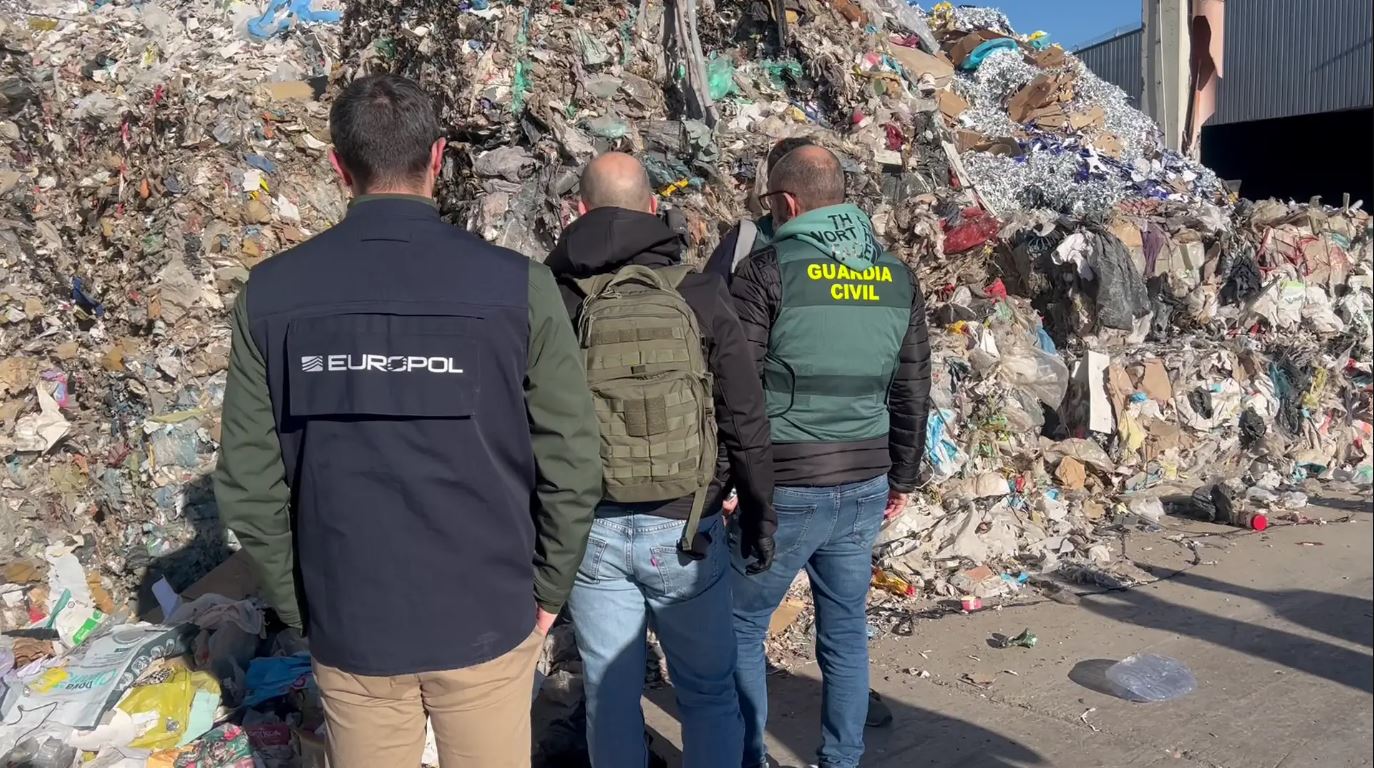
Law enforcement agencies across 27 countries, coordinated by Europol, have dismantled several organized crime networks responsible for illegally trafficking millions of tonnes of hazardous waste across international borders, in what authorities are calling one of the largest environmental enforcement operations in history.
The operation, codenamed SILVER AXE VIII, resulted in more than 160 arrests, thousands of inspections at ports, waste facilities, and border crossings, and the seizure of fraudulent documentation used to disguise toxic shipments as recyclable materials.
What Is Waste Trafficking and Why Does It Matter
Waste trafficking refers to the illegal movement of hazardous, electronic, or regulated waste across borders, typically from wealthier nations to countries with weaker environmental regulations and enforcement capacity. Criminal networks exploit loopholes in customs documentation, bribe officials, and falsely label toxic materials to avoid the strict controls required under the Basel Convention, the primary international treaty governing hazardous waste trade.
The consequences are severe:
- Contaminated soil and groundwater near illegal dump sites
- Elevated cancer rates and respiratory illness in affected communities
- Long-term damage to agricultural land and fisheries
- Economic losses for governments that bear cleanup costs
Europol estimates the illegal waste trade generates between 10 and 12 billion euros annually, making it one of the most profitable environmental crimes globally.
How the Operation Unfolded
Investigators from Europol's European Financial and Economic Crime Centre (EFECC) worked alongside national environmental agencies, border police, and customs authorities for more than 18 months before conducting simultaneous raids across Europe, Africa, and Southeast Asia.
Key findings from the operation included:
- Electronic waste, including circuit boards and batteries containing lead and mercury, shipped from European ports labeled as second-hand goods
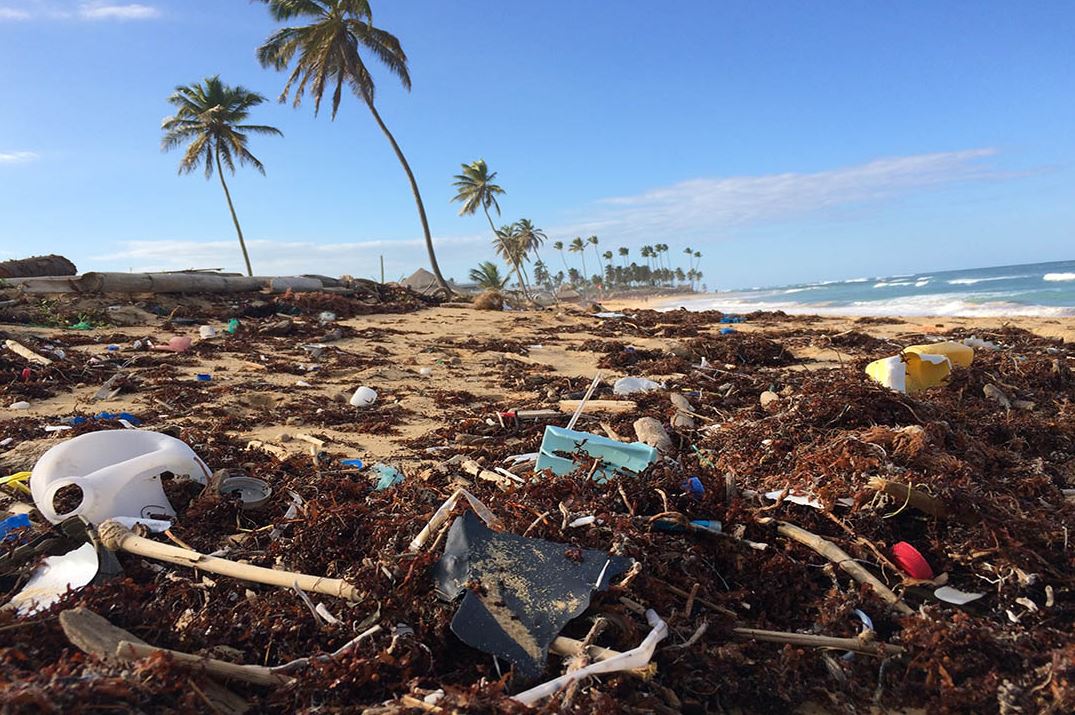
- Plastic waste exported to countries lacking the infrastructure to process it safely
- Criminal networks using shell companies registered in multiple jurisdictions to obscure financial trails
- Bribes paid to port inspectors in at least six countries
Europol reported that criminal groups had infiltrated legitimate waste management companies, using licensed operators as front businesses to move illegal shipments undetected.
The Role of Organized Crime in Environmental Offenses
Environmental crime is no longer the domain of small-scale opportunists. Europol and Interpol have documented a clear convergence between traditional organized crime, including groups previously known for drug trafficking and human smuggling, and the profitable waste trade.
Waste trafficking offers criminal networks several advantages over narcotics:
- Lower criminal penalties in many jurisdictions
- Complex legal frameworks that slow prosecution
- High demand driven by legitimate industries seeking cheap waste disposal
- Difficulty distinguishing illegal shipments from legal recycling trade
This convergence has pushed environmental crime onto the radar of financial crime investigators, who now trace waste trafficking proceeds through the same money laundering networks used by drug cartels.
Destination Countries Bear the Heaviest Burden
While the profits flow to criminal networks based largely in Europe, the environmental and human health damage concentrates in destination countries across West Africa, South and Southeast Asia, and parts of Eastern Europe.
Communities near illegal dump sites report:
- Children with elevated blood lead levels
- Burning of waste to extract metals, releasing toxic fumes
- Contaminated wells and rivers used for drinking water and irrigation
- Local governments overwhelmed by cleanup costs they did not cause
Environmental advocates argue that wealthy nations exporting waste bear moral and legal responsibility for the harms caused downstream, particularly when their own regulatory failures allow falsely labeled shipments to leave their ports unchecked.
What Needs to Change
Enforcement operations like SILVER AXE are necessary but insufficient on their own. Experts point to several systemic reforms required to address the structural conditions enabling waste trafficking:
- Stronger due diligence requirements for waste exporters, including mandatory verification of destination facility capacity
- Heavier criminal penalties that reflect the scale of environmental harm caused
- Increased funding for customs and port inspection agencies, particularly in countries that serve as major transit points
- Greater international data sharing between environmental regulators and law enforcement
- Extended producer responsibility laws that hold manufacturers accountable for the full lifecycle of their products
The Basel Convention's 2019 plastic waste amendment, which requires exporting countries to obtain prior informed consent from receiving nations before shipping contaminated plastics, represented a step forward. However, enforcement of that amendment remains inconsistent, and criminal networks have adapted quickly.