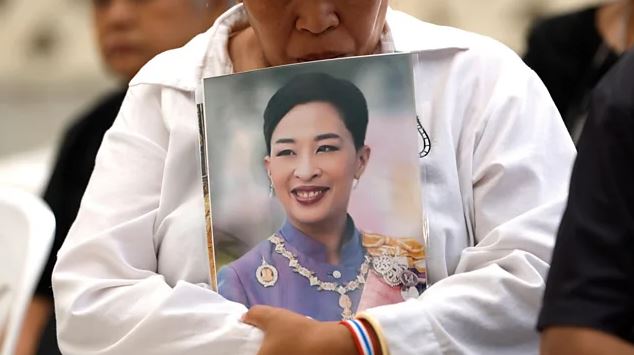
The death of Princess Bajrakitiyabha Narendira Debyavati on the evening of June 11, 2026, closes a chapter of prolonged national grief in Thailand and opens a period of acute political uncertainty. Her passing, after nearly four years in a coma, removes the monarchy's most internationally credible figure at a moment when King Maha Vajiralongkorn has still not formally designated a successor.
How Princess Bajrakitiyabha Died and What Preceded Her Collapse
The princess was hospitalized in December 2022 after a sudden loss of consciousness caused by a heart condition while visiting the northeastern province of Nakhon Ratchasima and was flown by helicopter to Bangkok for treatment.
She died on Thursday evening after her condition worsened due to an intra-abdominal infection, colitis, low blood pressure, arrhythmias, and blood clotting disorders, according to the palace statement.
Key facts about her life and public record:
- Bajrakitiyabha earned degrees in law and international relations in Thailand and the United States, worked for the United Nations, and served as Thailand's ambassador to Austria.
- In 2017, she was appointed goodwill ambassador for the rule of law in Southeast Asia by the United Nations Commission on Crime Prevention and Criminal Justice.
- She was best known domestically for her Kamlangjai, or "Inspire," project to rehabilitate incarcerated Thai women before their release.
- She transferred to the army in 2021, where she held the rank of general and served as chief of staff in the Royal Security Command.
Prime Minister Anutin Charnvirakul, in a televised address, called her a "pride of Thailand" and said her commitment to justice and equality would remain a moral legacy for the nation.
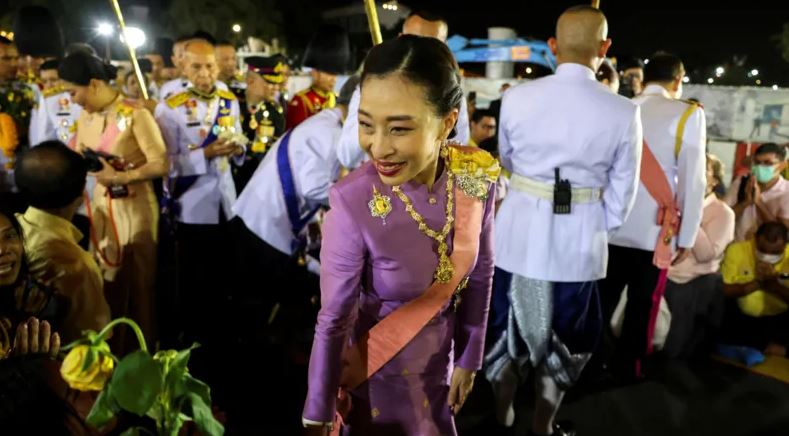
The Succession Question That Thailand Cannot Openly Discuss
Her death lands on politically sensitive ground. The princess was one of King Vajiralongkorn's three children who hold formal titles and are eligible to take the throne under the constitution.
The succession picture is complicated by several factors:
- Prince Dipangkorn Rasmijoti, the youngest of the king's children, is the presumptive heir because sons take precedence in Thailand's line of succession.
- Despite having five sons, the situation is complicated by the fact that four of them, from his second marriage, were disowned in 1996 and currently reside in the United States with their mother.
- A constitutional amendment from 1974 paved the way for a female monarch, should the king choose to designate one, but no such designation has been made.
- Many viewed Bajrakitiyabha as a fitting candidate to serve as regent to support Prince Dipangkorn, given her experience and stature.
Her death removes one of the monarchy's most visible public figures at a moment when Thailand's succession remains unresolved and debate over the palace is restricted by lèse-majesté law.
A Public Legacy Built on Justice Reform and Diplomatic Reach
The political implications of her death should not erase the substance of what she built. Bajrakitiyabha represented a strand of royal engagement that was legible to international institutions and to ordinary Thais navigating a justice system not known for leniency.
Her death closes a rare public-facing path within the monarchy, and her absence leaves the institution with one less future-facing figure as Thailand faces renewed questions about succession in a political environment where those questions are rarely discussed openly.
The palace announced royal funeral rites would be arranged, while the government is expected to declare a period of national mourning.