Mexico City became the centre of the football world on June 11, 2026, as the FIFA World Cup officially kicked off at the iconic Azteca Stadium. The opening ceremony blended spectacle with cultural pride, while outside the gates, thousands of protesters refused to let the global spotlight pass without raising urgent social grievances.
Shakira, Burna Boy, and a Ceremony Built on Mexican Heritage
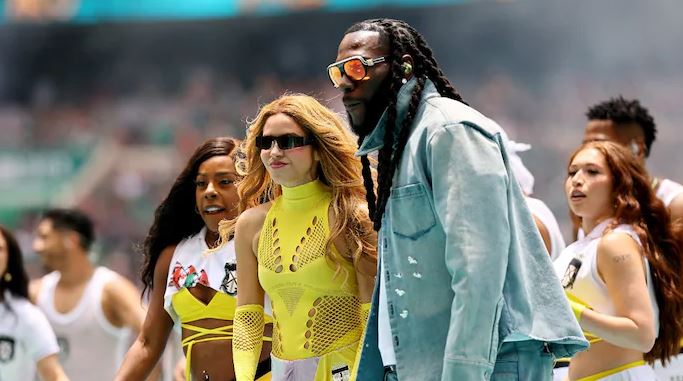
Colombian superstar Shakira and Nigerian singer Burna Boy headlined the opening ceremony, performing the official tournament anthem "Dai Dai" to a packed stadium draped in dark green and yellow.
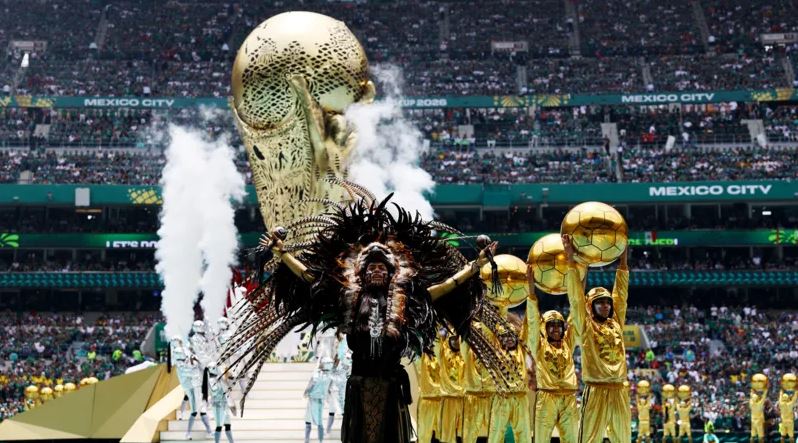
The show was a confident declaration of Mexican identity:
- Performers in colourful traditional costumes filled the pitch in a celebration of Aztec culture, with Mexican singer-songwriter Lila Downs welcoming the world in both Spanish and English.
- World Cup Ambassador Salma Hayek Pinault addressed the crowd, saying: "In this stadium, along with Canada and the United States, we welcome the 48 flags."
- Italian tenor Andrea Bocelli and singer EJAE followed with "DNA," the official FIFA World Cup anthem for 2026.
The Azteca, now officially renamed Mexico City Stadium but still universally called by its historic name, became the first venue ever to host a World Cup opening match three times, having done so in 1970 and 1986.
Outside the Stadium: Protest as Cultural and Political Act
The ceremony unfolded against a charged backdrop. Protesters blocked major traffic routes leading to the stadium and the Zócalo, toppling and setting fire to large World Cup-themed mannequins, vowing to disrupt the tournament.
The demonstrations drew multiple groups united by grievance:
- The CNTE teachers' union has been on strike demanding a salary increase and the reversal of a pension law the government considers unworkable.
- More than a thousand relatives of Mexico's missing people marched through the city the night before the opening, protesting a crisis driven by years of cartel violence and impunity.
- The CNTE organised a solidarity forum near the World Cup Fan Fest zone, bringing in families of the 43 disappeared Ayotzinapa students and other social movements.
- Ticket prices meant that many ordinary football fans were effectively locked out, with the sport's most passionate supporters unable to attend.
Sheinbaum's government faced criticism from activist groups for prioritising World Cup celebrations over pressing social needs, including the soaring cost of living and the country's forced disappearance crisis.
What This Moment Reveals About Sport, Culture, and Power
Major sporting events have always functioned as mirrors held up to the societies hosting them. Mexico 2026 is no different. The competition is expected to generate $3 billion for hotels, restaurants, and sports venues according to the Mexican Soccer Federation, yet that economic promise sits uneasily alongside communities living in poverty near the stadium itself.
This World Cup is the most logistically complex ever staged, featuring a record 104 matches across 16 host cities spread across three countries, which makes the social tensions in Mexico City all the more visible on a global stage. The protesters understood exactly what they were doing by choosing this moment.