What Happened: India Delivers Emergency Fuel to Sri Lanka as Hormuz Blockade Bites
Sri Lanka received 38,000 metric tonnes of emergency fuel from India on March 28, 2026, after a near-total blockade of the Strait of Hormuz severed the island nation's regular energy supply lines, triggering acute shortages across the country.
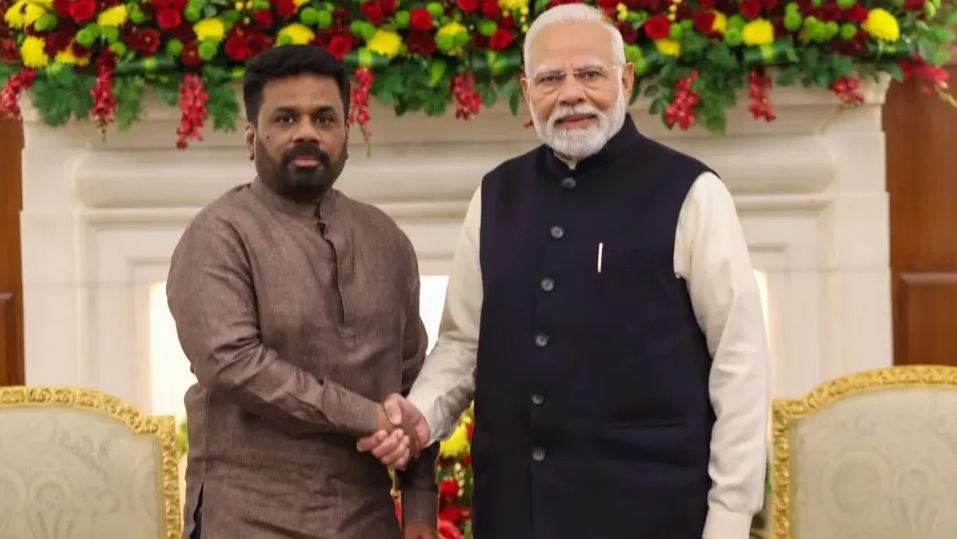
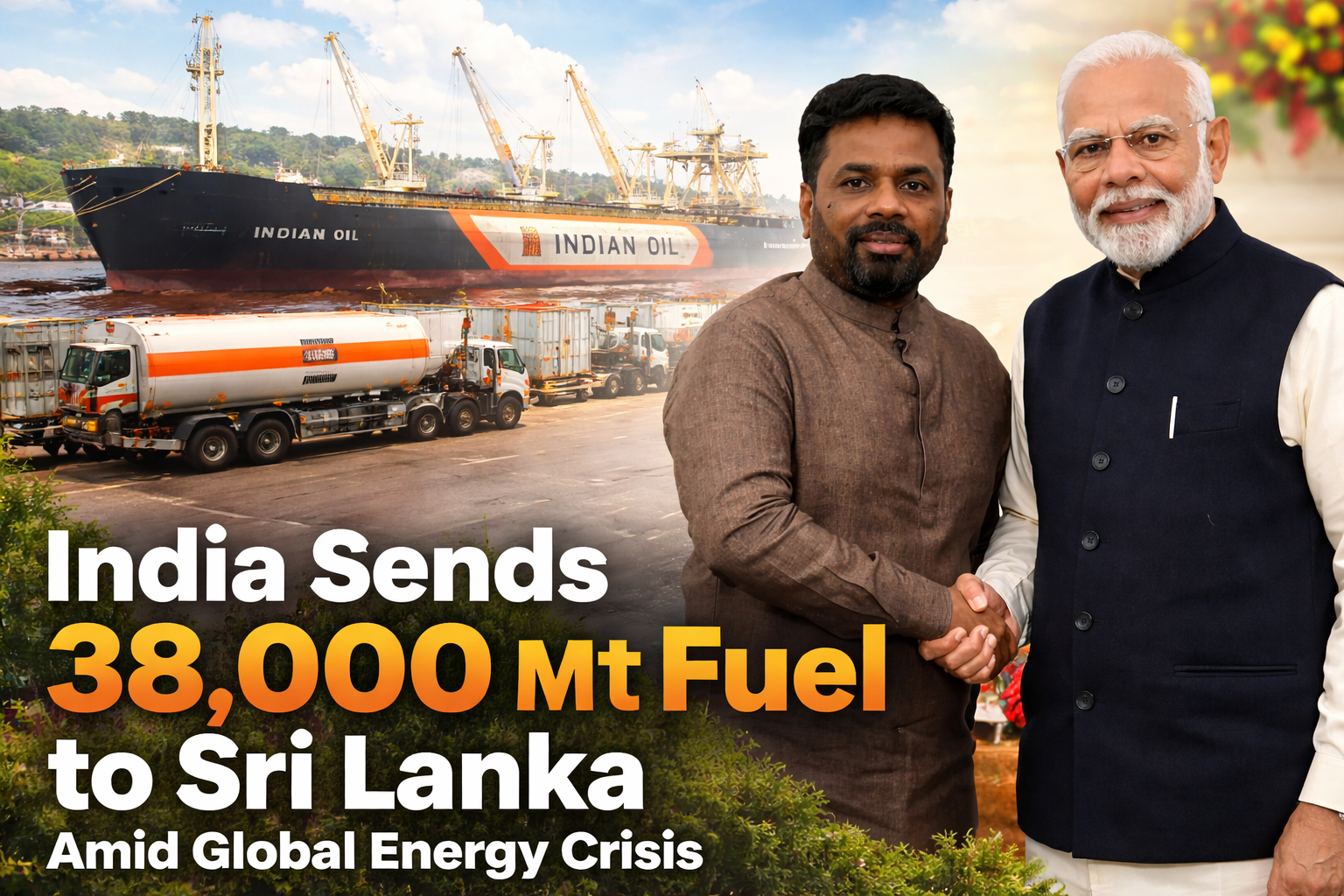
The shipment, comprising 20,000 metric tonnes of diesel and 18,000 metric tonnes of petrol, docked at Colombo Harbour and was delivered through Lanka IOC, the Sri Lankan subsidiary of Indian Oil Corporation. Sri Lankan President Anura Kumara Dissanayake publicly acknowledged the delivery on March 29, thanking Indian Prime Minister Narendra Modi and External Affairs Minister S. Jaishankar for their swift coordination.
For a country that imports roughly 60 percent of its energy needs and holds barely one month of storage capacity, the timing of the shipment was not merely diplomatic. It was operationally decisive.
Who Drove the Decision and How Was the Supply Arranged
How the Modi-Dissanayake Phone Call Set the Shipment in Motion
The emergency supply was set in motion following a telephone conversation between Prime Minister Modi and President Dissanayake on March 24, 2026. A parallel call between External Affairs Minister S. Jaishankar and Sri Lankan Foreign Minister Vijitha Herath provided the operational coordination layer required to move the shipment within days.
Dissanayake described the sequence publicly on social media, stating that he had spoken with Modi directly about the fuel disruptions Sri Lanka was facing due to the Middle East conflict and that the 38,000 metric tonnes arrived the following day.
The delivery was routed through Lanka IOC, whose existing infrastructure linking Indian refineries to Sri Lanka's retail fuel network made it the most efficient conduit for emergency supply. The existing relationship eliminated the logistical delay that a new or untested supply chain would have created.
Who Confirmed the Shipment Officially
The Indian High Commission in Colombo formally confirmed the arrival of the fuel and stated that the supply was arranged after Sri Lanka's contracted suppliers from West Asia and Singapore invoked force majeure, citing vessel unavailability and the ongoing conflict in the Middle East.
Why Sri Lanka Faced a Fuel Crisis in March 2026
What the Strait of Hormuz Blockade Did to Global Energy Markets
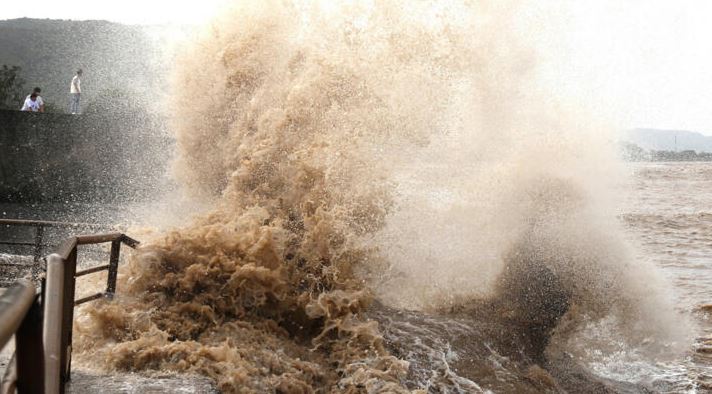
The immediate cause of Sri Lanka's supply crisis was the effective closure of the Strait of Hormuz, triggered by escalating tensions between Iran, the United States, and Israel following the breakdown of nuclear negotiations in Geneva. Iran's Islamic Revolutionary Guard Corps issued warnings prohibiting vessel passage through the strait, leading to a near-total halt in tanker traffic.
Tanker movements through the strait fell by approximately 70 percent in the initial phase, with over 150 ships anchoring outside the passage to avoid conflict risks. Traffic subsequently dropped to near zero. Brent crude futures climbed toward 120 dollars per barrel as a result.
The IEA Executive Director Fatih Birol confirmed that at least 40 energy assets across nine countries in the Middle East had been severely or very severely damaged since the conflict began, and identified the reopening of the Strait of Hormuz as the single most important solution to the global energy crisis.
Who in Asia Is Most Exposed to the Hormuz Disruption
The scale of exposure varies sharply across Asia. Japan imports 93 percent of its oil through the strait. South Korea routes roughly 68 percent of its crude imports through the passage. India, which sources approximately 53 percent of its oil imports and between 40 and 47 percent of its LNG imports from the Middle East, faces direct structural exposure.
Sri Lanka sits at the most vulnerable end of this spectrum. Unlike Japan or India, it holds minimal strategic reserves, carries weaker fiscal buffers, and has no domestic energy production to fall back on. When its West Asian and Singaporean suppliers declared force majeure, there was no domestic alternative and no regional market solution available at the speed the crisis demanded.
What India's Response Reveals About Its Regional Energy Role
How India Was Positioned to Act When Others Could Not
India's ability to step in as an emergency energy supplier during a global supply crisis is not a product of improvisation. It reflects years of deliberate policy choices on energy diversification, including a strategic shift toward Russian crude and supplies from the Americas, which reduced India's dependence on the very Middle Eastern routes now disrupted.
That diversification gave India both the supply availability and the logistics capacity to act when Sri Lanka's contracted channels had collapsed entirely. The existing presence of Lanka IOC on the ground in Sri Lanka meant the delivery infrastructure was already operational. What changed in late March 2026 was the urgency and the volume, not the mechanism.
What the Neighbourhood First Policy Means in Practice
The fuel shipment is among the most visible recent expressions of India's Neighbourhood First doctrine, a strategic posture articulated during Modi's first term in 2014 that commits India to prioritising engagement, support, and crisis response with its immediate South Asian neighbours before extending its diplomatic and economic energies further afield.
The policy was signalled from the first day of Modi's tenure, when heads of government of all SAARC nations were invited to his inauguration. In practical terms, it has since translated into credit lines, infrastructure investment, and emergency supply operations of precisely the kind delivered to Colombo this week.
Sri Lanka has been a significant beneficiary of this doctrine before. During its catastrophic economic collapse in 2022, India extended credit lines totalling approximately four billion dollars, covering fuel, medicines, food, and fertiliser. The 2026 shipment follows the same logic in a different context. The crisis mechanism changed. The principle did not.
How Sri Lanka's Political Leaders Responded
What Dissanayake, Rajapaksa, and Premadasa Said
The response from across Sri Lanka's political spectrum was notably unified. President Dissanayake's public and personal acknowledgement of Modi and Jaishankar by name, expressed on a public social media platform rather than through a formal diplomatic communique, represented a visible political choice. It signalled that the current Sri Lankan government regards the bilateral relationship as a genuine strategic asset.
Namal Rajapaksa, Member of Parliament and son of former President Mahinda Rajapaksa, described India as Sri Lanka's first responder in times of crisis and said that Prime Minister Modi and the people of India had once again upheld the Neighbourhood First policy through the timely shipment.
Sajith Premadasa, leader of the opposition Samagi Jana Balawegaya, added that the emergency fuel support was a reminder that relationships are tested in crisis rather than comfort.
What Policy Reform Rajapaksa Called For
Beyond praising the shipment, Rajapaksa used the moment to call for structural domestic reform. He pointed to India's recent approach of using fuel tax adjustments to stabilise domestic markets during global price shocks rather than to immediately reduce prices, and urged the Sri Lankan government to consider a comparable model.
The suggestion reflects a wider recognition that emergency relief addresses symptoms rather than the underlying structural vulnerability. Sri Lanka's chronic dependence on imported fossil fuels, combined with inadequate strategic reserve capacity, remains the core exposure that made this crisis so acute and will make the next one equally so without reform.
What This Means for India-Sri Lanka Relations Going Forward
How the Bilateral Relationship Has Been Reshaped by Crisis Response
The India-Sri Lanka relationship has historically carried complications rooted in the Tamil question, fishermen's disputes in the Palk Strait, and Sri Lanka's periodic tilt toward China through port and infrastructure investments. The arrival of Dissanayake, whose political base was historically sceptical of Indian influence, had generated genuine uncertainty about the trajectory of ties following his election in 2024.
The events of late March 2026 suggest a different direction. The fuel shipment, the phone calls that preceded it, and the public language that followed it all indicate that the current Sri Lankan government has made a practical and political choice to treat the relationship with India as a strategic anchor rather than a point of sensitivity.
India, for its part, has demonstrated that the Neighbourhood First policy is not a rhetorical formulation. It is an operational commitment with real logistics, real supply chains, and real delivery timelines. That combination of will and capacity is what distinguishes a reliable partner from a distant well-wisher.
What the Crisis Signals for South Asia's Energy Security Architecture
Who Remains Most Vulnerable as the Hormuz Disruption Continues
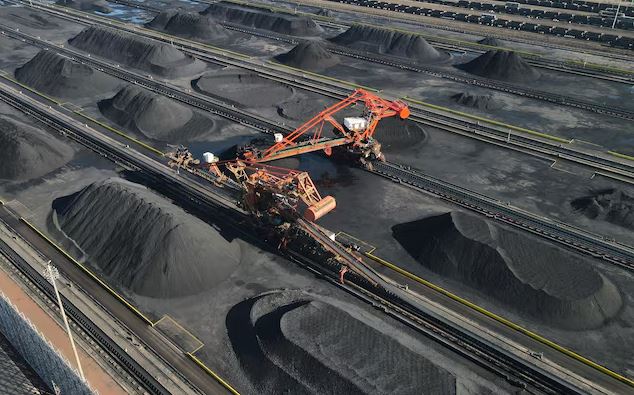
The broader fallout from the war in the Middle East extends well beyond the Gulf. The disruption of Strait of Hormuz transit has reduced LNG supplies from Qatar and the United Arab Emirates by over 300 million cubic metres per day since March 1, representing a weekly loss exceeding two billion cubic metres of gas supply.
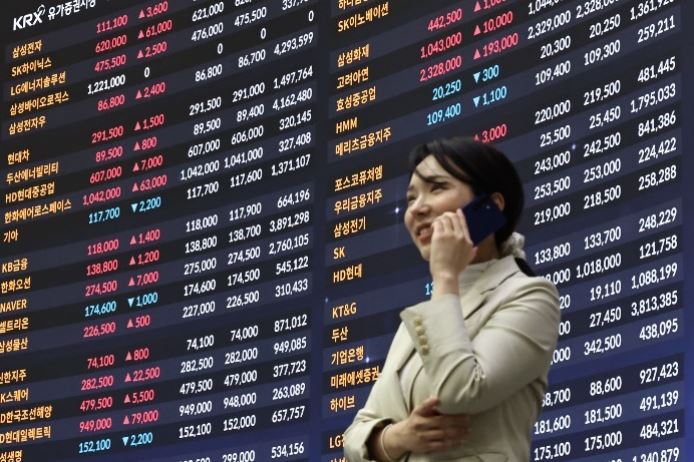
UN estimates indicate that oil prices have risen by around 45 percent and gas prices by approximately 55 percent since late February. Fertiliser prices are up roughly 35 percent. Regional inflation across Asia could reach 4.6 percent in 2026, compared to 3.5 percent in 2025.
For smaller South Asian economies including Bangladesh, Nepal, and the Maldives, which lack India's scale, strategic reserves, and diversified supply chains, the crisis is a pointed warning. Energy security frameworks built entirely on global market access and short-term commercial contracts offer no protection when a major maritime chokepoint closes due to armed conflict.
What the events of late March 2026 have made unmistakably clear is that proximity to a large, capable, and willing neighbour represents a form of strategic insurance that no commercial contract can replicate and no multilateral framework has yet been able to substitute.