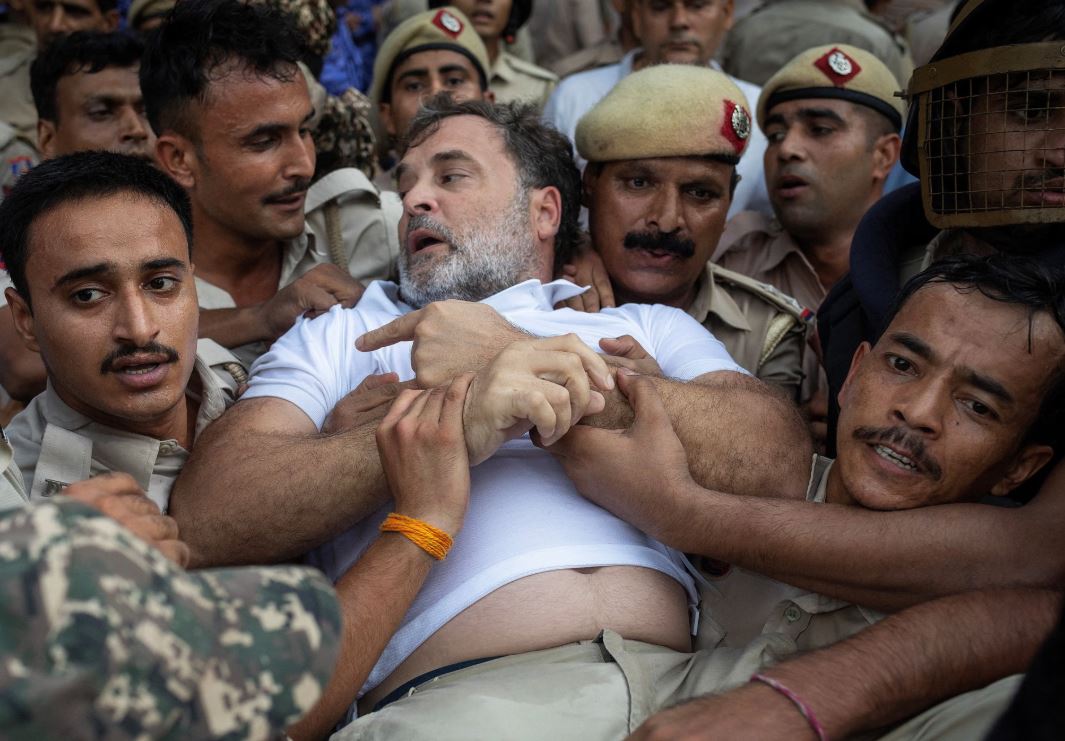
Delhi police detained opposition leader Rahul Gandhi on Tuesday, July 21, 2026, as a fast-growing student protest movement collided directly with the Modi government. The detention came after Gandhi led a march toward Prime Minister Narendra Modi's official residence and called for his resignation, marking the sharpest escalation yet in a standoff that began with anger over a national exam scandal.
This report lays out what happened, why the protests spread so quickly, and what comes next for both the student movement and India's opposition parties.
What Happened Outside the Prime Minister's Residence
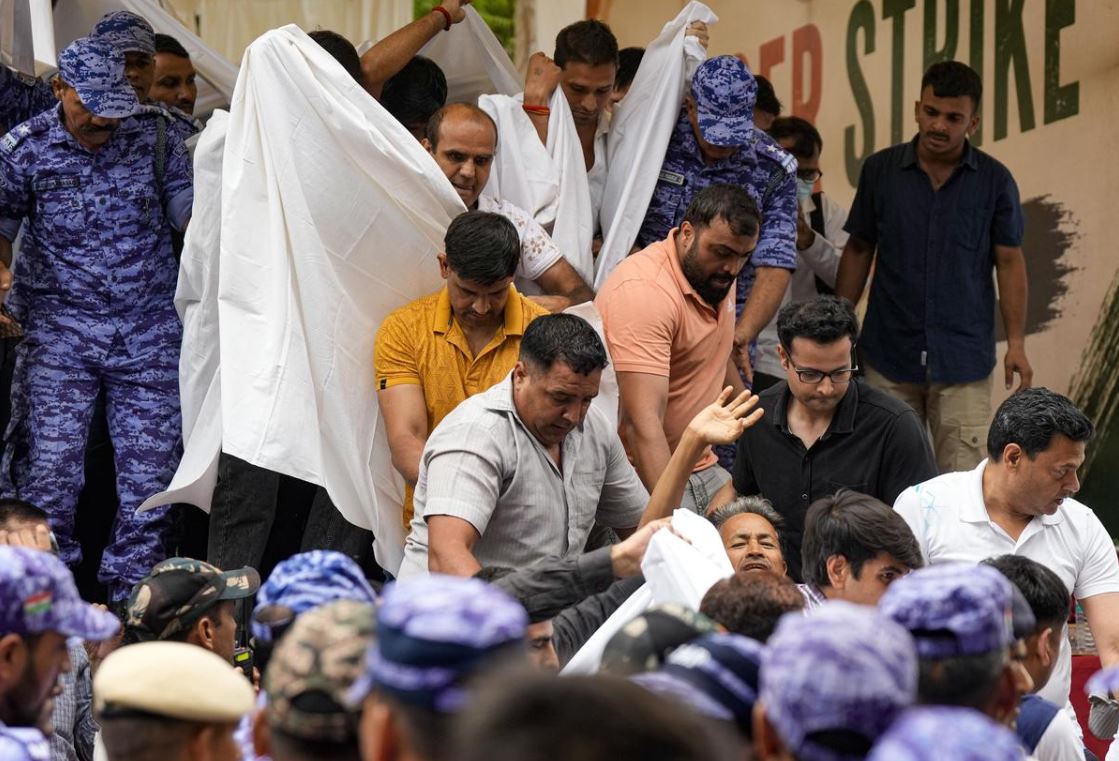
Rahul Gandhi, Leader of the Opposition in the Lok Sabha, was detained alongside Congress president Mallikarjun Kharge, Congress MP Priyanka Gandhi Vadra, and Samajwadi Party leader Akhilesh Yadav during a sit-in near Modi's residence at Lok Kalyan Marg. Police physically removed Gandhi from the site after he refused to disperse.
Key details from the incident:
- The march started from Kharge's residence on Rajaji Marg and moved toward the prime minister's residence.
- Gandhi staged a sit-in on the road when police blocked the march.
- Television visuals showed him being dragged away by security personnel.
- Multiple Congress leaders and party workers were also detained during the operation.
Before his detention, Gandhi said the government must answer for what he called damage to the future of India's youth, and repeated his demand for Modi and Home Minister Amit Shah to step down.
The Trigger: A Student Movement Called Cockroach Janta Party
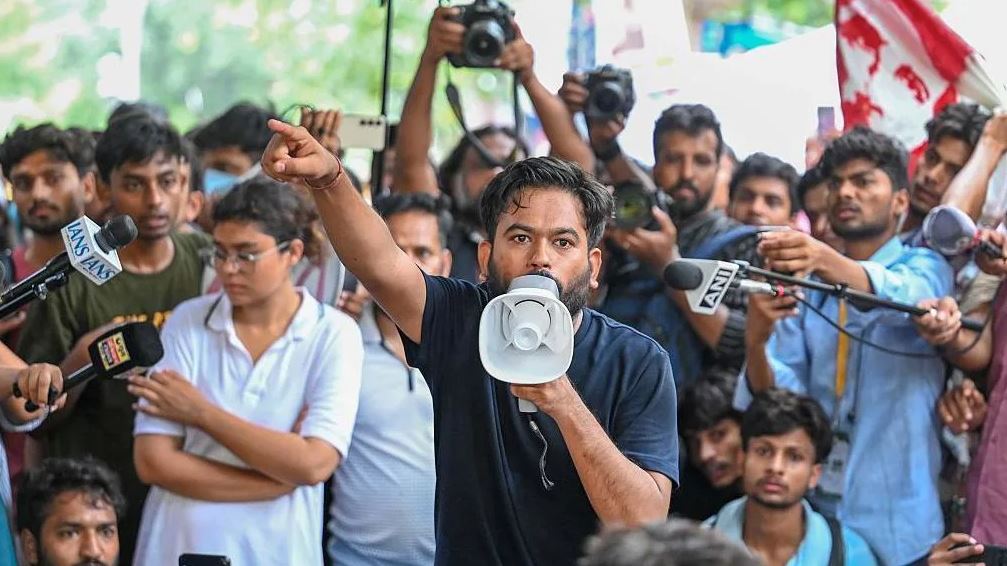
The protests trace back to outrage over the NEET-UG 2026 medical entrance exam, after allegations surfaced of a paper leak. A youth-driven group calling itself the Cockroach Janta Party, a satirical name mocking government dismissiveness toward student grievances, organized demonstrations at Jantar Mantar demanding accountability.
What began as anger over the exam leak has since widened into broader demands, including:
- Reform of the national education system.
- Resignation of Union Education Minister Dharmendra Pradhan.
- Action on youth unemployment and job availability.
A Day of Violence Preceded the Detention
The confrontation outside Modi's residence followed a chaotic Monday, when a planned march from Jantar Mantar toward Parliament ended in clashes between student protesters and Delhi police. Officers reportedly used lathi charges and tear gas to disperse the crowd.
Reports from the day's aftermath describe a heavy toll:
- Roughly 90 students and 118 police personnel were injured.
- One woman required intensive care.
- Several students were detained overnight before later being released.
Parliament was adjourned for a second consecutive day as opposition lawmakers demanded a formal discussion on what they called police brutality against the students.
The Government's Response
Minister of State in the Prime Minister's Office Jitendra Singh, along with Union Home Secretary Govind Mohan, met with Gandhi to convey that the government was willing to hold a parliamentary debate on the NEET controversy. According to the minister, Gandhi initially agreed to end the protest on that condition, then added a further demand for the education minister's resignation, a shift the government said complicated the negotiation.
The Cockroach Janta Party later announced it would cancel a planned protest outside Delhi police headquarters after the students detained the previous day were released, calling it evidence that public pressure was working.
Political Fallout and Reactions
The involvement of senior opposition figures has pulled a student led protest into national politics. Congress leaders framed the detentions as an attack on democratic dissent, while government representatives maintained they remained open to dialogue through Parliament.
Karnataka Chief Minister DK Shivakumar said the detentions were unfortunate and framed the fight as one for the country's students. Congress general secretary Randeep Surjewala said the movement would continue to grow under Gandhi's leadership, describing it as a fight for the futures of students affected by the leak.
What Comes Next
With Parliament repeatedly disrupted and the education minister facing calls to resign, the standoff shows no sign of resolving quickly. The Cockroach Janta Party has indicated protests will continue at Jantar Mantar even as some tensions ease following the release of detained students, while Congress has signaled it intends to keep pressing the issue in both the streets and Parliament.