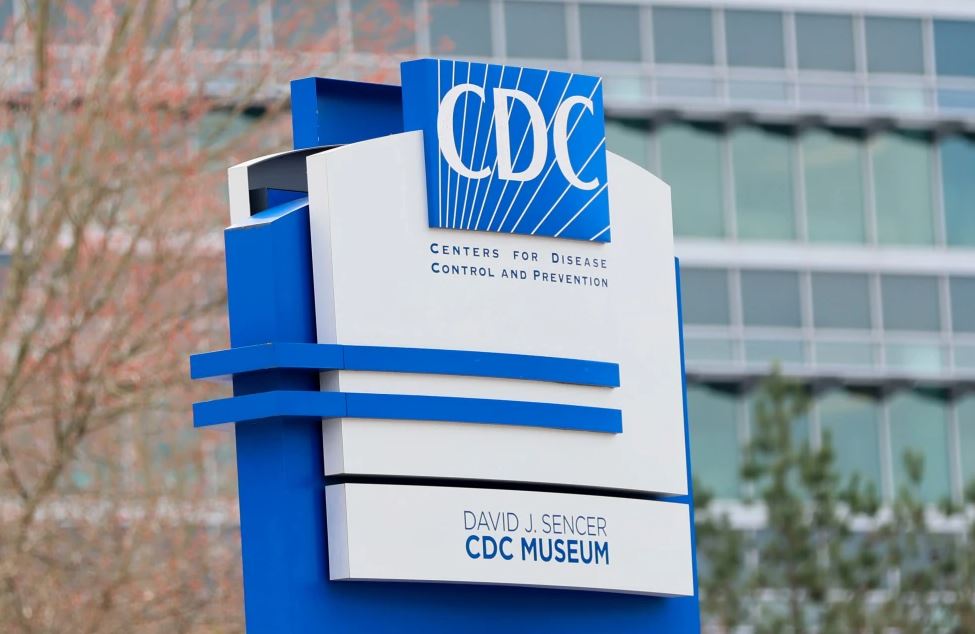
The Centers for Disease Control and Prevention has quietly posted a list of more than two dozen diagnostic tests it can no longer perform, and public health experts are sounding the alarm. The paused tests cover a wide range of infectious diseases, from rabies and monkeypox to parasitic infections rarely discussed outside specialist circles. The agency calls the halt temporary. Independent experts are not so sure the full picture is that simple.
This is not the first time the CDC has paused some of its lab testing. But it is pausing more kinds of tests than ever before, and it is not totally clear why, said Scott Becker, chief executive officer of the Association of Public Health Laboratories.
What is clear is the timing. The pause follows one of the most significant periods of workforce reduction in the agency's modern history, raising serious questions about the relationship between staffing cuts and the sudden disappearance of critical diagnostic capacity.
What Tests Has the CDC Paused?
Some of the paused testing focuses on common infections for which commercial testing is available, like Epstein-Barr virus and the varicella zoster virus behind chickenpox and shingles. Also on the list is testing for more exotic agents, like the parasitic worms responsible for snail fever and the virus that causes sloth fever.
The range is striking. At one end of the spectrum are tests for well-known viruses that commercial laboratories can handle. At the other are highly specialized assays for rare or emerging pathogens that only a handful of government-run labs in the country are equipped to run. The CDC's role in that second category is not easily replaced by a private lab or a hospital system.
A government spokesman called the pause temporary and said the agency anticipates some of these tests will be available through CDC labs again in the coming weeks. In the meantime, the CDC said it stands ready to support state and local partners in accessing the public health testing they need, according to Andrew Nixon of the U.S. Department of Health.
Why Did the CDC Pause Lab Testing Now?
The Official Explanation
The government's stated reason is a routine quality review. The CDC had already been evaluating its testing menu since 2024, following scrutiny of its laboratory operations during the COVID-19 pandemic, when testing failures drew wide criticism. A government spokesman attributed the pause to a routine review designed to uphold the agency's commitment to high-quality laboratory testing.
What Experts Say Is Really Happening
Public health professionals draw a direct line between the pauses and staffing losses. The pausing of lab testing comes in the wake of the dramatic downsizing of the CDC over the last year through layoffs, retirements, resignations, and the nonrenewal of temporary appointments. Staffing fell by 20 to 25 percent, according to different estimates, and the impact was felt across the agency, including in the laboratories.
The damage to specific labs has been severe. The poxvirus and rabies labs lost about half their prior staff, and the CDC's malaria branch was gutted even more, according to the National Public Health Coalition, an organization of former and current CDC workers that formed in the wake of the downsizing.
Internal documents obtained by the New York Times paint an even starker picture. The poxvirus team is expected to have no members by July 2026, and the rabies group will shrink to a single clinician-advisor. Public health experts told the outlet that such a bare-bones crew will limit the CDC's ability to give states round-the-clock technical backup.
Which Specific Labs Have Been Hit Hardest?
Poxvirus and Rabies Branch
This branch has been among the most visibly affected. The CDC removed rabies and poxvirus assays from its public test directory on March 30, 2026, citing updates and staffing limits, prompting immediate concern from public health experts. Rabies, while rare in the United States, is nearly always fatal once symptoms appear. Rapid and accurate laboratory confirmation is essential for the post-exposure treatment decisions made by physicians and public health officials every year.
Malaria Branch
The CDC's malaria surveillance and diagnostic work has historically served as both a clinical resource and a national safety net for travelers returning from high-risk regions. According to the National Public Health Coalition, the malaria branch has experienced cuts that go beyond what the poxvirus and rabies labs lost, leaving the branch in a particularly weakened state at a time when global malaria transmission remains a serious concern.
Laboratory Leadership Pipeline
This pause lands on top of a difficult 2025 for CDC staffing, when layoffs and program reductions trimmed lab fellowships and other technical positions that once shored up surge capacity. Those fellowship programs are how the CDC trains the next generation of specialized laboratory scientists. Cutting them now means the knowledge gap will compound over time, not just in the short term.
What Is the Real-World Impact on Public Health?
The practical consequences depend heavily on which tests stay offline and for how long.
For common infections such as Epstein-Barr virus and varicella zoster, commercial diagnostic laboratories are widely available and can absorb demand without major disruption to patient care. Physicians will order tests through their usual channels and patients will largely not notice a difference.
The situation is more complicated for rare, specialized, or emerging pathogen testing. Some specialized state labs, like those in New York and California, have the ability to pick up the slack while CDC tests are on pause, Becker said. He called the pauses concerning only if they become permanent.
States without large, well-funded public health laboratory systems face a harder road. For those states, the CDC's diagnostic capacity functions as the lab of last resort. When the CDC pulls back, there is no obvious next call to make for a physician dealing with a suspected rare infection. Outbreak detection, which depends on the ability to identify and confirm novel or unusual pathogens quickly, is particularly vulnerable to this kind of institutional gap.
Is This the Largest Lab Testing Pause in CDC History?
By the accounts of leading public health laboratory experts, yes. The CDC has taken individual tests offline before, typically for equipment updates, reagent shortages, or quality control reasons. Those pauses were narrow and usually brief. What is different now is the breadth of tests affected simultaneously and the institutional context surrounding the decision. A workforce that has contracted by nearly a quarter in a single year cannot maintain the same testing portfolio it offered before. At some point, a reduction in staff produces a reduction in output, regardless of how the pause is officially characterized.
How Is the CDC Framing the Situation?
The agency has been careful to use language that emphasizes process and quality rather than capacity. The phrase routine review suggests an administrative choice rather than a forced reduction. But the timing, the scale of the pauses, and the depth of the staffing losses make that framing difficult to sustain under scrutiny from public health professionals who work directly with CDC labs.
Becker and others in the public health laboratory community have not accused the agency of dishonesty, but they have been explicit that staffing reductions are almost certainly a factor alongside any genuine quality review process. The two explanations are not mutually exclusive, but the scale of what has been paused suggests the staffing dimension cannot be separated from the outcome.