What Triggered Australia's Gaza Political Row in Parliament?
A Senate Estimates hearing on Thursday became one of the most combustible moments in the Australian parliament this year. Questioning between senators devolved into a shouting match at different points, requiring the chair to twice shut down the session to take scheduled breaks.
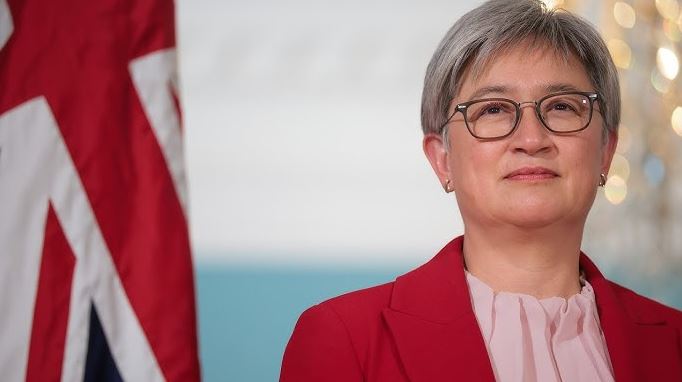
At the centre was Foreign Minister Penny Wong, defending the Albanese government's handling of Australian citizens who were detained after Israeli forces intercepted a humanitarian flotilla heading for Gaza.
Eleven Australians were among 430 flotilla participants on the vessel attempting to deliver aid to Gaza when they were intercepted and detained on May 18. Many have since alleged serious abuse at the hands of Israeli personnel, including beatings, rape, and torture. Those allegations are disputed by Israel.
Key flashpoints in Thursday's session:
- Wong accused Greens Senator David Shoebridge of inhabiting a factually false reality in his line of questioning.
- Wong refused to take meeting requests made from the Senate floor by Greens senators, calling it political theatre.
- Greens Senator Mehreen Faruqi pressed Wong on whether she personally believed the women's accounts.
- Senator David Pocock questioned whether Australia had pushed for an independent investigation.
- The session was suspended twice as the chair lost control of proceedings.
What Did Penny Wong Actually Say and Do?
Earlier in the full-day hearing, Shoebridge sought answers on whether the Department of Foreign Affairs was failing to lodge the necessary paperwork to allow Australians to leave Gaza. Wong accused Shoebridge of living in a non-factual "pretend universe" and "performing for social media".
DFAT officials revealed that 415 Australian citizens, permanent residents or their immediate family had been supported to leave the war-ravaged region, involving a complex process including multiple Australian agencies, Israel and its occupying agency COGAT, and Jordan.
On the flotilla allegations, Wong was unambiguous. In a fiery Senate Estimates exchange with Greens senator Mehreen Faruqi, Wong labelled the claims as "horrific", stating that her principled position is to always believe women when allegations of sexual assault are made.
Wong also questioned whether Senator Faruqi had sought consent from the women before raising specific private details in a public parliamentary forum, saying it was not the way she would like the discussion of such awful events to be conducted.
Pressed by Senator Pocock on whether she had advocated for an independent probe, Wong said the government was pressing for a swift and transparent investigation following talks with her Israeli counterpart, but acknowledged Australia was not in a position to determine what form that investigation would take.
What Is the Broader Political Context?
This is not an isolated moment. It sits within a much larger and deepening rupture in Australian politics over the Gaza conflict.
The conservative side has pushed back hard. The Liberal opposition, now led by Angus Taylor following February's internal leadership spill, has consistently argued that Labor's posture on Gaza has damaged Australia's alliance with Israel and damaged standing in Washington. Sky News and commentators aligned with the Coalition framed Wong's position as abandoning a key ally. Liberal MP Aaron Violi publicly called on Wong to take a stronger pro-Israel stance.
Wong said in the Senate that Australia was experiencing one of the most challenging times in the history of its relationship with Israel, and that Australia is strongly opposed to many of the actions of the Netanyahu government.
As far back as August 2025, Wong had warned that there is a risk there will be no Palestine left to recognise, signalling the government's increasingly direct language on the situation in Gaza.
The political disagreement now spans:
- Labor's recognition of Palestinian statehood and sanctions against far-right Israeli ministers.
- Coalition criticism that Labor has weakened traditional alliance commitments.
- Greens pressure on Labor to go further with sanctions and diplomatic action.
- Public debate over Australia's arms-related supply relationships with Israel.