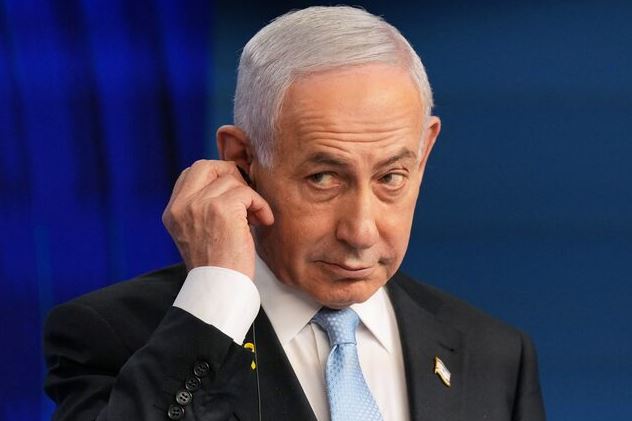
The Benjamin Netanyahu corruption trial is one of the most consequential legal and political cases in modern Israeli history. While leaders facing serious criminal charges often resign or lose public support, Netanyahu has continued serving as Israel's prime minister throughout years of legal proceedings. The case has raised questions about political accountability, judicial independence, and the resilience of coalition governments.
Understanding why Netanyahu remains prime minister despite an ongoing trial requires looking beyond the courtroom. His political survival has been shaped by coalition alliances, national security crises, and a strategy that has kept his supporters firmly behind him.
Who Is Benjamin Netanyahu?
Benjamin Netanyahu is Israel's longest-serving prime minister and one of the country's most influential political figures. First elected in 1996, he has served multiple non-consecutive terms, making him a dominant force in Israeli politics for nearly three decades. Before entering national leadership, Netanyahu served in an elite Israeli military unit and later represented Israel as its ambassador to the United Nations, experiences that helped shape his reputation as a strong advocate for national security and foreign policy.
Throughout his political career, Netanyahu has built his image around economic reforms, a hardline security approach, and close diplomatic ties with allies, particularly the United States. His leadership has coincided with several major regional conflicts, including the aftermath of the October 2023 Hamas attack and the 2026 tensions with Iran. Supporters credit him with providing stability during periods of crisis, while critics argue his long tenure has deepened political divisions within the country.
Today, despite facing the Benjamin Netanyahu corruption trial and multiple criminal charges, he continues to lead Israel through a coalition government. His ability to remain in office while defending himself in court has made his case one of the most closely watched examples of political survival in modern democratic politics.
Why Is Benjamin Netanyahu on Trial?
The Benjamin Netanyahu trial began after prosecutors filed charges in 2019, accusing the prime minister of bribery, fraud, and breach of trust. Netanyahu has consistently denied all allegations, arguing that the investigation is politically motivated.
The prosecution centers on three separate investigations known as Case 1000, Case 2000, and Case 4000, each involving different allegations. Together, they form what many analysts describe as the most significant Israel corruption case against Netanyahu.
Understanding the Three Cases
Case 1000
This case focuses on allegations that Netanyahu and his family accepted expensive gifts, including cigars and champagne, from wealthy businessmen in exchange for political favors. Prosecutors argue these benefits created an improper relationship between public office and private interests.
Case 2000
This investigation examines conversations between Netanyahu and the publisher of an Israeli newspaper regarding allegedly favorable media coverage in return for actions that could weaken a competing publication. While no agreement was ultimately implemented, prosecutors argue the discussions themselves are legally significant.
Case 4000 Explained
Among the three investigations, Case 4000 is widely viewed as the most serious. Prosecutors allege Netanyahu granted regulatory benefits to a major telecommunications company in exchange for favorable news coverage on a media website owned by the company's controlling shareholder.
Because it includes bribery charges, many legal experts believe Why Case 4000 matters is straightforward: a conviction would mark the first time a sitting Israeli prime minister was found guilty of bribery.
Netanyahu Trial Timeline
The Netanyahu trial timeline has stretched over several years.
After the indictment in 2019, court proceedings moved slowly due to procedural disputes, witness testimony, and legal challenges. Netanyahu became the first sitting Israeli prime minister to testify as a criminal defendant in December 2024. Netanyahu's testimony marked a historic moment in Israeli politics.
Cross-examination continued through 2025 and into 2026, but the Netanyahu trial delays explained involve more than legal arguments. Regional security crises, including Israel's conflict with Iran and ongoing security operations, repeatedly interrupted hearings and slowed the judicial process.
As a result, many observers believe the final outcome, including possible appeals, could extend well into the coming years.
How Netanyahu Overcame the Struggle
The central question is not simply why is Benjamin Netanyahu on trial, but how Netanyahu survived corruption charges while remaining one of Israel's most influential political figures.
He Framed the Trial as Political Persecution
Netanyahu has consistently argued that the legal proceedings represent an attempt by political opponents and prosecutors to remove him through the courts instead of elections. This narrative strengthened loyalty among many supporters, who viewed the trial as politically driven rather than purely judicial.
Coalition Politics Worked in His Favor
A key reason why Netanyahu is still prime minister despite the trial lies in Netanyahu's coalition politics. Israel's parliamentary system often depends on fragile coalitions. Smaller coalition partners have had limited political alternatives and strong incentives to keep the government intact, allowing Netanyahu to maintain his parliamentary majority.
National Security Shifted Public Attention
Periods of conflict significantly influenced public debate. Netanyahu's wartime leadership during major regional security crises reinforced his image as an experienced leader at a time when many voters prioritized national security over legal proceedings.
These developments frequently moved media attention away from court hearings and toward military and diplomatic developments.
Legal Delays Bought Political Time
The lengthy Netanyahu court proceedings have also played an important role. Requests from the defense, procedural complexities, and emergency situations repeatedly slowed the pace of the trial without stopping it altogether.
Rather than producing an immediate political crisis, the gradual legal process allowed Netanyahu to continue governing while the case remained unresolved.
International Support Strengthened His Image
Public statements from international allies also influenced political perceptions. Discussions surrounding a possible Herzog pardon, following comments by former U.S. President Donald Trump, generated significant international attention even though no pardon was granted.
The episode reinforced Netanyahu's image among supporters as a leader with influential international backing.
What the Trial Means for Israel
Beyond Netanyahu himself, the case has become a test of Institutional accountability in Israel.
The proceedings examine whether democratic institutions can hold senior political leaders accountable while allowing elected governments to continue functioning. They also highlight the independence of the Israeli judiciary, which has continued hearing the case despite intense political pressure and public scrutiny.
Regardless of the final verdict, the trial has already reshaped discussions about executive authority, judicial independence, and political responsibility in Israel.
What Lies Ahead?
The Benjamin Netanyahu criminal charges remain unresolved, and legal experts expect additional hearings before any final judgment.
The outcome could significantly influence Netanyahu's political survival, the future of his coalition government, and public confidence in Israeli institutions. Whether he is ultimately acquitted or convicted, the case will remain one of the defining legal and political stories in Israel's history.
Conclusion
The Benjamin Netanyahu corruption trial is more than a criminal case against one political leader. It has become a broader examination of leadership, democracy, and accountability during periods of national crisis.
Netanyahu's ability to remain in office reflects a combination of coalition dynamics, effective political messaging, prolonged legal proceedings, and security challenges that repeatedly reshaped public priorities. While the legal process continues, his experience demonstrates how political influence can endure even under extraordinary judicial scrutiny.
As the Benjamin Netanyahu trial moves toward its eventual conclusion, its legacy will extend beyond the courtroom, influencing future debates about governance, institutional independence, and the relationship between political power and the rule of law.