The Situation on the Ground
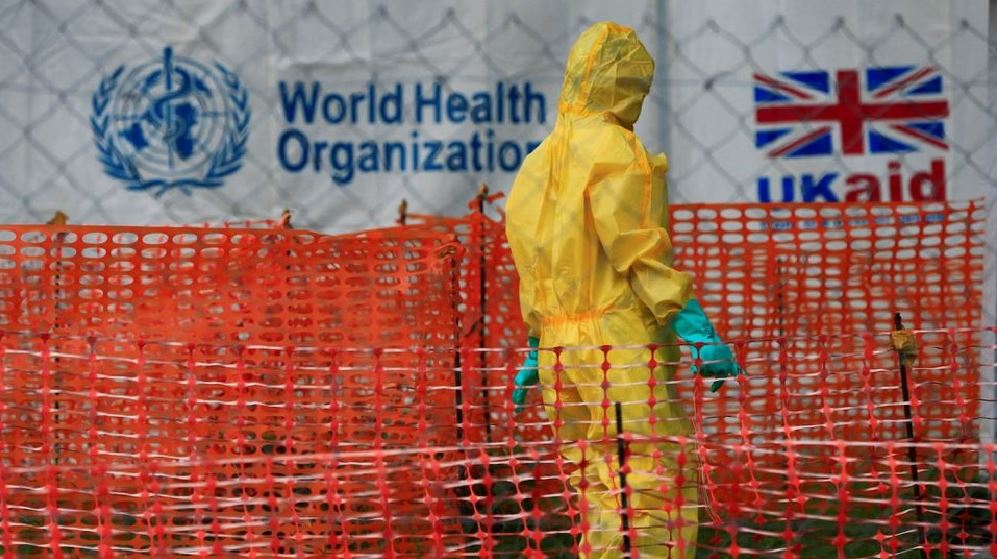
The World Health Organization declared the Ebola disease outbreak in the Democratic Republic of Congo and Uganda a public health emergency of international concern (PHEIC) on Sunday, confirming over 300 suspected cases and 88 deaths. All cases are in Congo except for two recorded in neighboring Uganda, with the outbreak centered in Congo's Ituri province.
What makes this outbreak distinctly dangerous:
- The current outbreak is caused by the Bundibugyo virus, a rare variant of Ebola that has no approved therapeutics or vaccines
- The fatality rate for Bundibugyo is estimated between 25 and 40 percent
- Standard rapid field tests often miss this strain, meaning transmission likely occurred for weeks before detection
Why This Matters
This is only the third time the Bundibugyo virus has been reported in an outbreak, with previous cases in Uganda (2007-2008) and Congo (2012). The virus represents a fundamentally different challenge compared to the Ebola Zaire strain that dominated past Congolese outbreaks.
WHO Director-General Tedros Adhanom Ghebreyesus stressed that while this is a global health emergency, it does not meet pandemic criteria and countries should not close borders.
Understanding the Bundibugyo Strain
What Makes This Variant Different
The Bundibugyo virus is rare and different from the Ebola Zaire strain that has been dominant in all of Congo's past 17 outbreaks except one. This distinction has critical implications for response strategies.
Key Characteristics:
- Treatment Gap: No approved treatments available for infected patients
- Vaccine Shortage: No approved vaccine exists, though researchers are studying an experimental candidate that has shown around 50% efficacy in monkey trials
- Detection Challenge: Rapid diagnostic tests frequently fail to identify the virus early
- Transmission Pattern: Ebola is transmitted through blood, bodily fluids, and contaminated surfaces
Historical Context
The Bundibugyo virus was first detected during Uganda's 2007-2008 outbreak that killed 37 people out of 149 cases. The 2012 Congo outbreak affected Isiro district with 57 cases and 29 deaths reported.
Global Response & Health System Challenges
Immediate Intervention Efforts
Doctors Without Borders is scaling up its response in Ituri province, with emergency program managers noting that the rapid spread across health zones and the Uganda border crossing is extremely concerning.
Critical obstacles to containment:
- Healthcare Access: Many communities in Ituri already lack adequate health facilities
- Security Risks: Ongoing insecurity in the region complicates contact tracing efforts
- Contact Tracing Gaps: Gaps in contact tracing persist as local authorities race to identify exposed individuals
- Speed of Spread: Cases appeared in multiple health zones and crossed international borders within days
Comparative Risk Assessment
While this declaration does not meet pandemic emergency criteria, the combination of a treatment-resistant strain, rapid geographical spread, and healthcare infrastructure limitations creates a serious regional threat requiring coordinated international action.