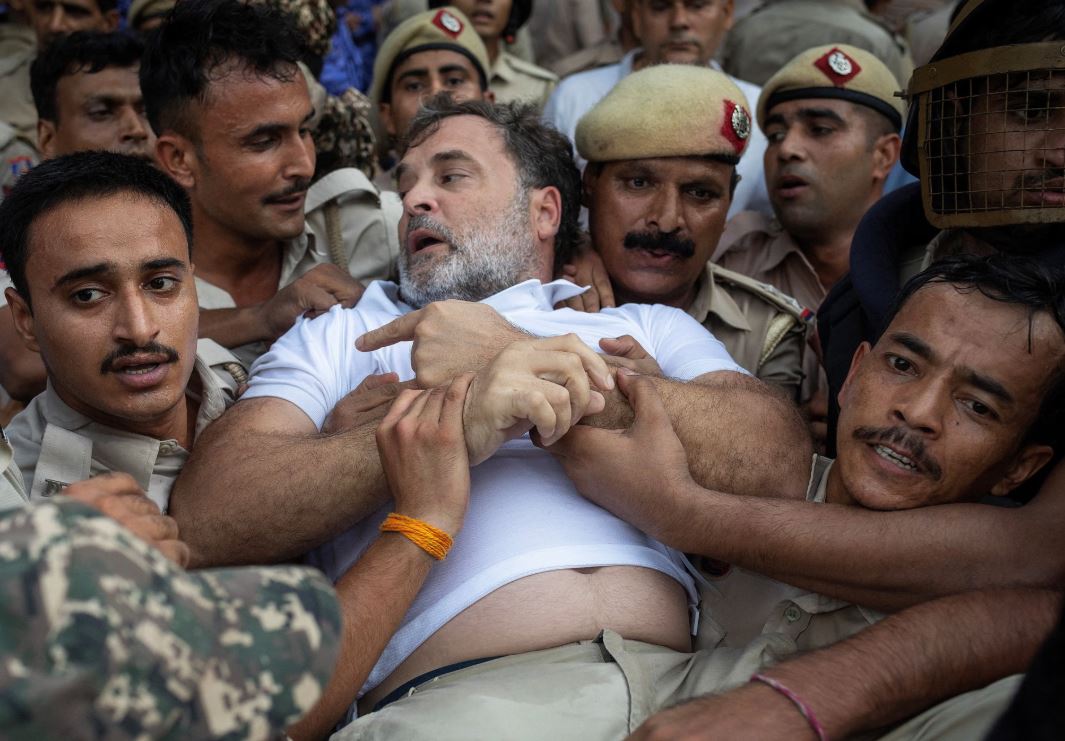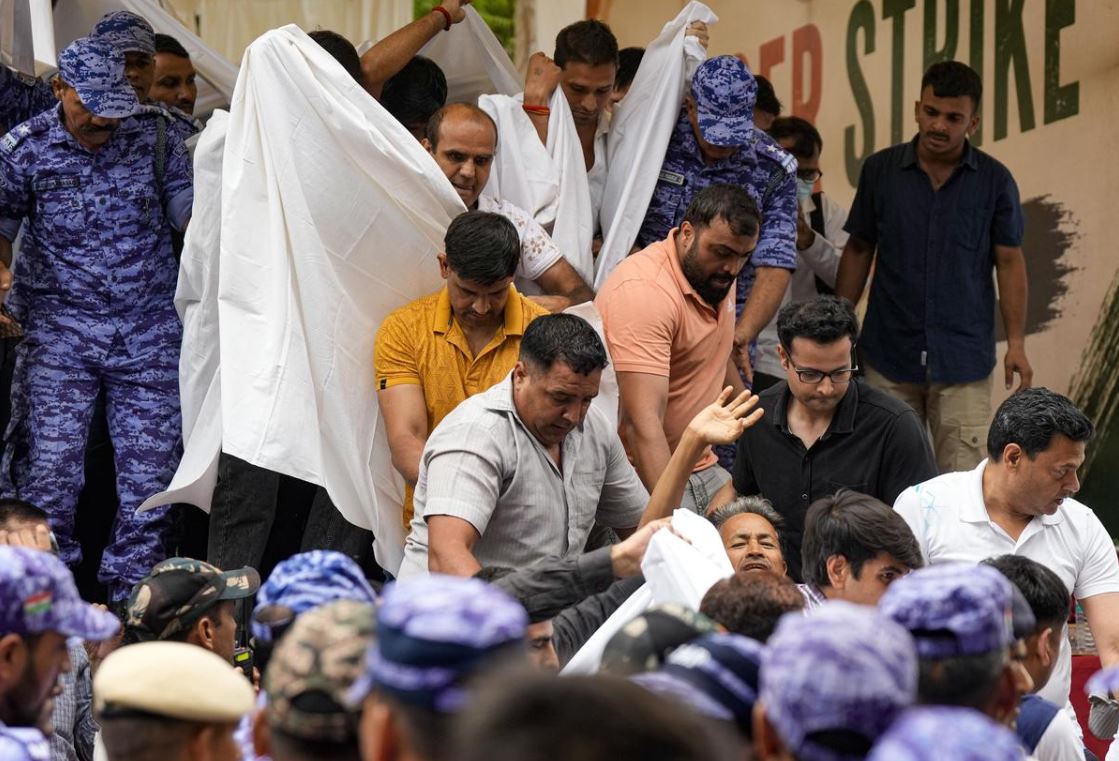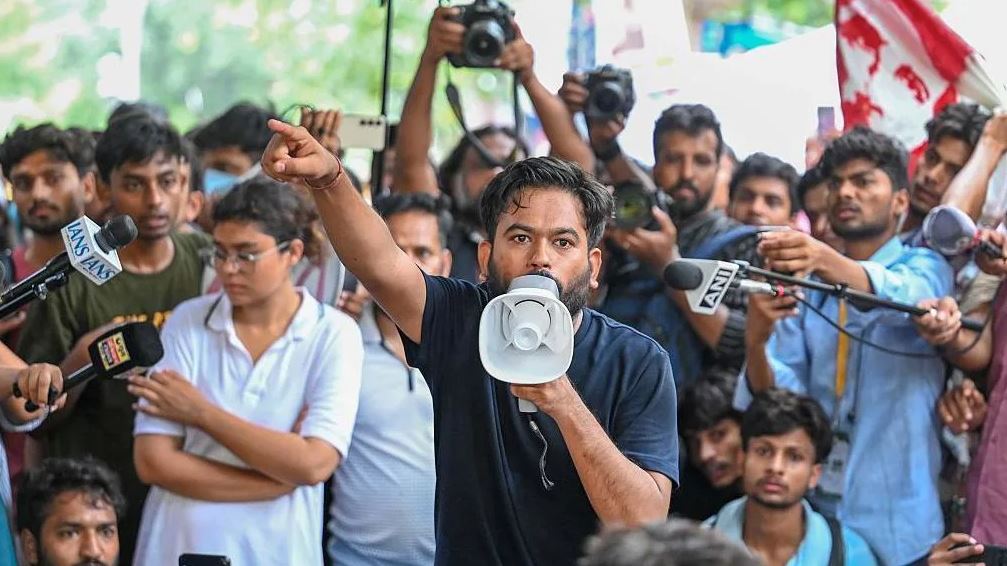
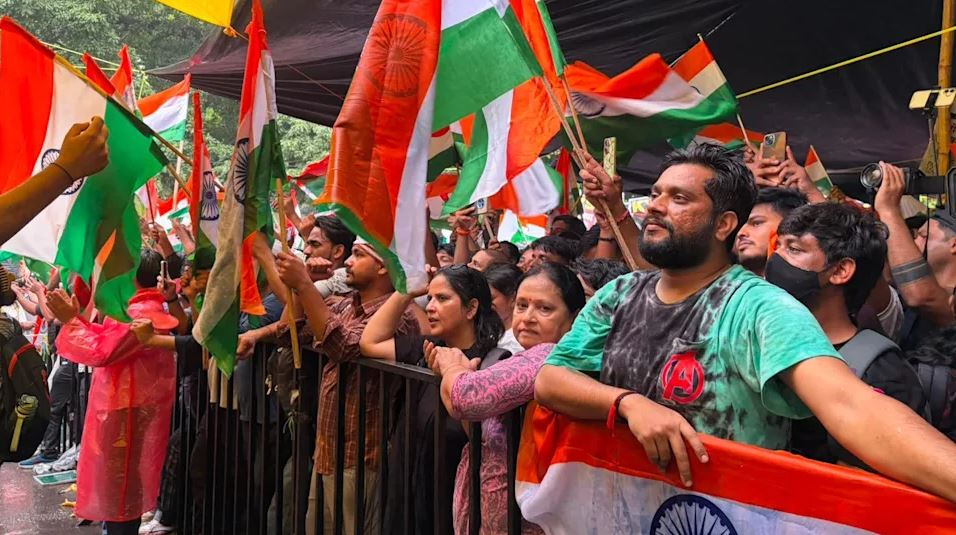
Thousands of demonstrators gathered at New Delhi's Jantar Mantar on Monday and attempted to march toward Parliament, defying a police ban imposed on the opening day of the Monsoon Session. The protest, led by the youth movement known as the Cockroach Janta Party, has turned a monthlong sit-in over examination paper leaks into one of the most direct challenges the government has faced from young voters in recent years.
Security forces used a lathi-charge to disperse crowds near the protest site after clashes broke out between demonstrators and the Rapid Action Force. The confrontation unfolded just kilometers from Parliament, where lawmakers were beginning a session already shadowed by the standoff outside.
What Sparked the Movement
The Cockroach Janta Party emerged in May, after a remark made during an unrelated Supreme Court hearing compared unemployed young people to cockroaches. Supporters embraced the label as a badge of defiance, and the phrase spread quickly across social media platforms among students frustrated by a string of examination failures.
That online energy hardened into street politics after repeated leaks of entrance exams for medical colleges and government jobs. The anger deepened further following the deaths of several students by suicide, which protesters link directly to the pressure and unfairness created by compromised testing systems.
Wangchuk's Hunger Strike and Its Political Fallout
Education reformer Sonam Wangchuk had been on a hunger strike at Jantar Mantar for nearly three weeks before authorities forcibly moved him to a hospital on Saturday. That action, rather than easing tensions, appears to have galvanized the wider protest movement.
Wangchuk described the planned march as India's second freedom movement, framing it as a fight for freedom from both injustice and what he called his own illegal detention. The language places the protest squarely in the tradition of civil disobedience that Indian political movements have long drawn on for legitimacy.
Police Response and Legal Restrictions
Delhi Police denied permission for the march, citing prohibitory orders against assemblies of five or more people outside the designated protest zone. Officials pointed to security requirements tied to the Monsoon Session and the presence of protected officials in the area.
Police also disputed characterizations of the crackdown, stating that any suggestion of widespread violence or mass detentions at Jantar Mantar did not reflect the situation on the ground.
Why This Protest Carries Weight Beyond Education Policy
Political observers will note that this movement fuses several currents at once: youth unemployment, distrust in public institutions, and frustration with a testing system many see as broken. Calls from protesters have extended beyond the education minister to demand accountability from Prime Minister Narendra Modi himself, a signal that the grievance has widened past a single ministry.
For a government heading into a parliamentary session, an unauthorized march reaching the gates of Parliament would represent more than a logistical problem. It would be read as a test of how directly public anger can reach the institutions meant to answer for it.