What Is Happening and Why It Matters Right Now
There is a word for earning money from a problem while simultaneously earning money from its solution: conflict of interest. In Washington and across state capitals, that conflict now has a name, a paper trail, and millions of dollars attached to it.
A troubling pattern has emerged in how some of America's most influential lobbying firms handle the contentious issue of PFAS regulation. These "forever chemicals," which have been linked to cancer and other serious health problems, are at the center of a regulatory battle that has exposed questionable business practices within the lobbying industry.
This is not speculation. It is documented, state by state, firm by firm, and the numbers are staggering. After 18 years covering institutional failure and corporate accountability, I have rarely encountered a conflict of interest this brazen, this well-funded, and this consequential for public health.
Who Conducted the Investigation and What They Found
An investigation by the nonprofit organization F-Minus revealed that several top-tier lobbying firms are simultaneously representing clients on opposite sides of PFAS policy debates. The research examined lobbying records across six states and uncovered numerous scenarios where firms advocate both for and against regulations targeting these persistent chemicals.
According to records requested by F-Minus and shared with investigative outlets, nine big firms in California have made more than $2.8 million lobbying both for and against PFAS reforms.
James Browning, founder and executive director of F-Minus, put the contradiction into stark plain language: "When you put the two together, both bills, lobbyists are getting paid to perpetuate the mess of PFAS and to clean it up."
That is not a loophole. That is a business model built on a public health catastrophe.
Which Firms Are Playing Both Sides of the PFAS Debate
Holland and Knight: Representing Cancer Makers and Cancer Fighters Simultaneously
The most documented and damaging example of this dual representation involves one of the country's most recognizable lobbying operations.
The lobbying firm Holland and Knight works for the American Chemistry Council, which represents the nation's largest PFAS makers and aggressively opposes most regulations. Simultaneously, Holland and Knight lobbies for the American Cancer Society.
Read that again. The same firm collecting fees to fight regulations that would reduce cancer-linked chemical exposure is also collecting fees from the organization that exists to fight cancer.
In a statement, Holland and Knight said they follow "rigorous ethics and conflict-review procedures" in all of their legal and public policy work. That statement raises more questions than it answers. What exactly does a conflict-review process conclude when a firm simultaneously defends a chemical industry that produces cancer-linked compounds and advocates for a cancer-fighting nonprofit? The public deserves a far more detailed answer than a carefully worded corporate statement.
Public Policy Advocates: Water Safety and Chemical Industry in the Same Portfolio
The firm Public Policy Advocates lobbied against a PFAS ban on behalf of the American Chemistry Council, an influential chemical industry trade association. At the same time, the firm lobbied for a PFAS mitigation fund on behalf of the Contra Costa Water District, which delivers water to more than half a million people in Northern California.
This is the architecture of the conflict in its most concrete form. One client pays the firm to keep PFAS-containing products on the market. Another client pays the same firm to fund the cleanup of PFAS that has already entered the water supply. The firm profits from both the contamination and the remediation. The half a million residents drinking from the Contra Costa system are not party to either contract.
Why PFAS Is a Public Health Emergency That Cannot Afford Delay
Before examining what this dual lobbying does to policy, it is essential to understand what is actually at stake in the PFAS debate.
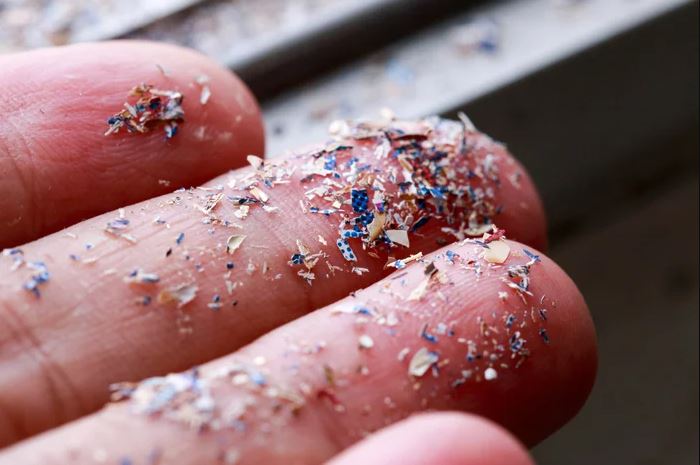
PFAS, or per- and polyfluoroalkyl substances, are also known as "forever chemicals" because they do not easily break down in the environment. Chemical companies like DuPont and 3M have manufactured them for decades. Today, there are nearly 15,000 different PFAS found in products used every day.
They have spread throughout drinking water, including bottled water, the broader environment, and the blood of 97 percent of people who live in the United States. Research has linked PFAS to reproductive harm, cancers, and a range of other serious health problems. There is also growing evidence that chemical companies concealed the risks of PFAS and deliberately misled the public.
This is a public health emergency with a documented history of corporate suppression. The lobbying industry is now feeding off both sides of that emergency.
How Much Money Has the Chemical Industry Spent to Block PFAS Reform
The scale of the financial firepower deployed against PFAS regulation is a story in itself.
The report titled "PFAS and the Chemistry of Concealment" found that major PFAS companies and associated trade groups employed a large army of lobbyists and spent more than $110 million lobbying since 2019. From 2019 to 2022, PFAS-related bills and issues appeared in lobbying reports from eight major PFAS manufacturers, including historic manufacturers Dow and DuPont, collectively totaling $55.7 million in corporate lobbying expenditures. During the same period, PFAS also appeared in lobbying reports from the American Chemistry Council, totaling an additional $58.7 million.
Over this time, Congress introduced more than 130 bills related to PFAS cleanup and mitigation. Of these, only four became law. None of those addressed the underlying responsibility of the industry to fund cleanup efforts.
One hundred and thirty bills. Four laws. None requiring the polluters to pay. The lobbying math works exactly as intended.
What This Dual Representation Does to State-Level Policy
The damage from this double-sided lobbying is not abstract. It is measurable in delayed legislation, weakened regulations, and communities left without protections.
These conflicting loyalties are slowing down crucial state-level initiatives aimed at controlling PFAS contamination. As states work to develop policies that protect their residents from these harmful chemicals, the muddied waters of lobbying representation are hampering progress on what many consider an urgent public health priority.
The investigation illustrates a larger need to strengthen states' lobbying firm disclosure rules, including requiring firms to divulge what positions their clients take on bills, according to James Browning of F-Minus.
Currently, no such requirement exists in most states. Firms are not obligated to disclose that their portfolio includes contradictory advocacy positions on the same issue. That transparency gap is not accidental. It is the regulatory void in which this practice thrives.
Who Has Tried to Legislate Against PFAS and What Happened to Those Efforts
A top target of the industry was the PFAS Action Act of 2019 and 2021, a comprehensive bill that would have designated two major PFAS as hazardous substances under the Superfund program. The eight PFAS manufacturers paid a total of 28 lobbyists to fight the 2019 version of the bill. Eventually the bill passed the House but was killed by the Senate Committee on Environment and Public Works.
Two-thirds of current committee members accepted campaign contributions from PFAS manufacturers, and more than half accepted contributions from the American Chemistry Council.
This is the full picture of how the system operates. Lobbying firms with clients on both sides of the issue dilute momentum for reform. Campaign contributions flow to the committee members who control whether reform legislation ever reaches the floor. The result is regulatory stasis, and that stasis has a dollar value attached to every firm in the chain.
What the Lobbying Industry Says in Its Defense
Holland and Knight's statement about rigorous internal ethics review is the industry's standard defense, and it is not unique to PFAS. The position essentially argues that internal screening processes are sufficient to manage conflicts of interest, and that representation of opposing clients on the same issue does not constitute a problem as long as internal protocols are followed.
That defense fails for a simple reason. Internal protocols are not public. They are not audited by regulators. They are not disclosed to the communities affected by the policy outcomes being lobbied. A firm cannot self-certify its way out of a structural conflict that materially affects public health policy.