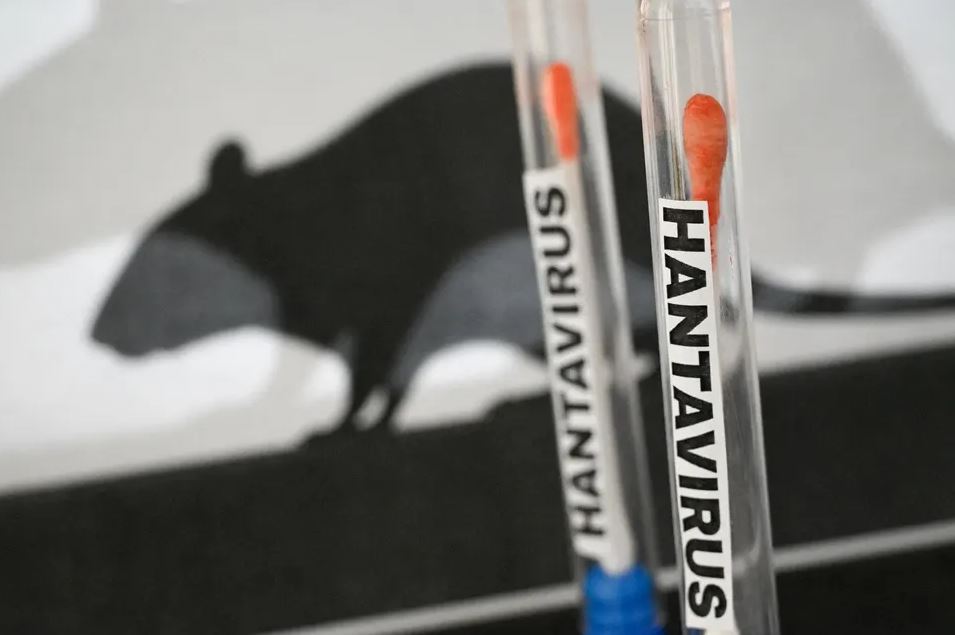
A virus carried silently by rodents across nearly every continent is drawing renewed attention from infectious disease experts, and for good reason. Hantavirus, a family of pathogens most people have never thought twice about, is responsible for thousands of deaths every year, carries no approved cure, and in one specific form, can pass directly between people.
Understanding what hantavirus actually is, how it spreads, and what the science says about risk is no longer a niche concern for rural campers and agricultural workers. It is a public health conversation worth having clearly and accurately.
What Is Hantavirus?
Hantaviruses belong to the family Hantaviridae, within the order Bunyavirales. Each hantavirus is typically associated with a specific rodent reservoir species, in which the virus causes long-term infection without apparent illness. Although many hantavirus species have been identified worldwide, only a limited number are known to cause human disease.
In practical terms, hantavirus is not a single pathogen. It is a broad family of viruses, and geography largely determines which strain poses the greatest risk to any given population.
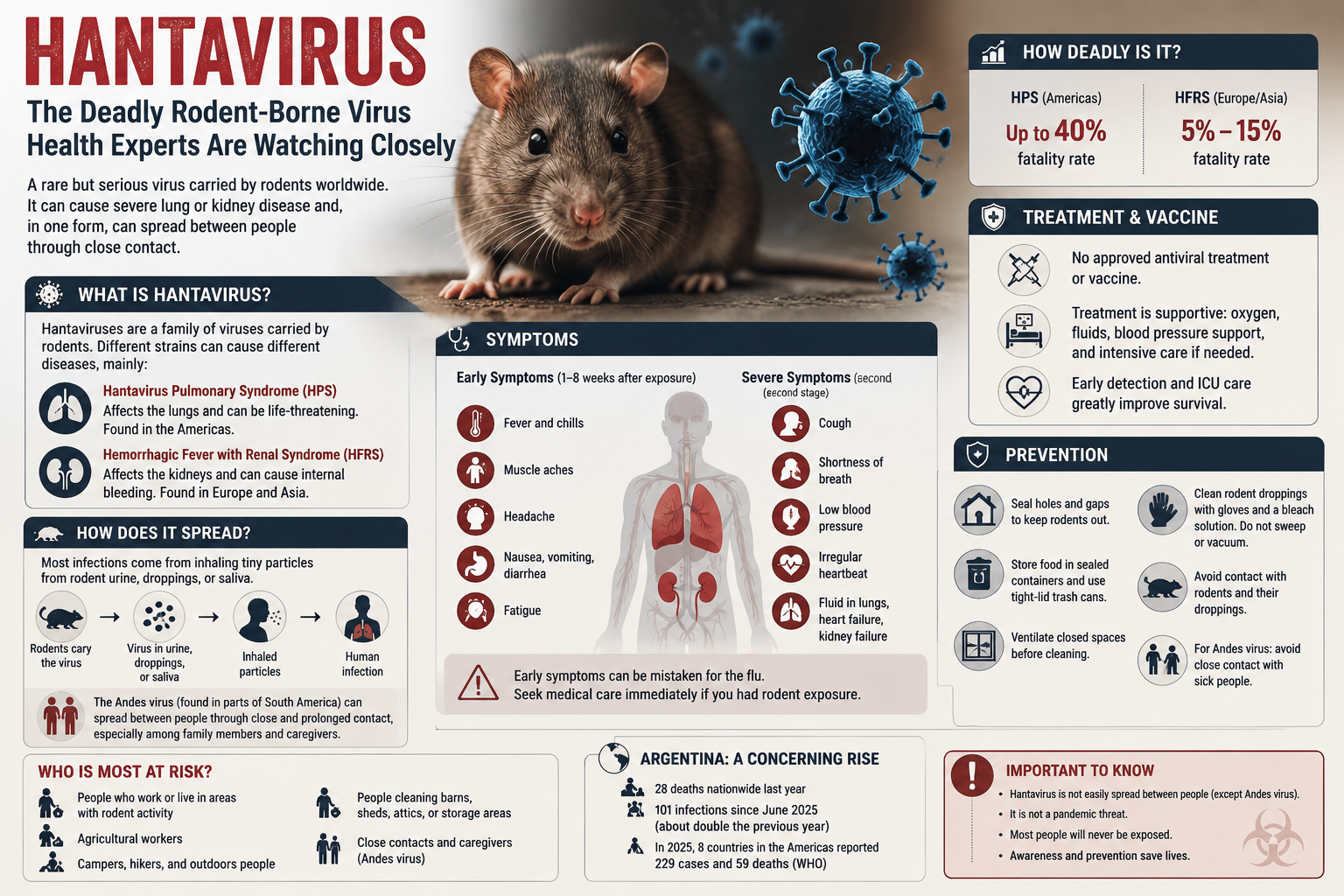
Hantaviruses found in Europe and Asia can cause hemorrhagic fever with renal syndrome (HFRS), which affects the kidneys. What starts with headaches, abdominal pain and nausea can develop into low blood pressure, internal bleeding and acute kidney failure. Hantaviruses found in the Americas cause hantavirus pulmonary syndrome (HPS), which affects the lungs.
WHO estimates roughly 10,000 to over 100,000 hantavirus infections worldwide each year, with the largest burden in Asia and Europe.
How Does Hantavirus Spread?
The primary transmission route is straightforward and consistent across nearly all known strains.
Hantavirus comes from contact with rodents or their urine, saliva or feces, particularly when it is inhaled. A person disturbs rodent droppings in a barn, attic, cabin, or field, breathes in aerosolized particles, and becomes infected. In most cases globally, that is the entire chain of transmission. No human intermediary is required.
The Andes virus, however, represents a documented and important exception.
The Andes virus is part of this family and is known to cause limited human-to-human transmission among close and prolonged contacts, primarily in Argentina and Chile.
Transmission between people has been associated with close and prolonged contact, particularly among household members, intimate partners, and people providing medical care, according to WHO Director-General Tedros Adhanom Ghebreyesus.
This distinction is scientifically significant. The Andes virus does not travel through the air the way influenza or COVID-19 does. Sustained, close proximity to a symptomatic person is required for transmission, and even that does not happen easily or reliably.
Argentina's Rising Case Numbers
Argentina has been grappling with an escalating domestic situation that predates and exists entirely apart from any isolated cluster or international event.
Argentina's health ministry said hantavirus led to 28 deaths nationwide last year. The ministry reported 101 hantavirus infections since June 2025, roughly double the caseload recorded over the same period the previous year.
In 2025, eight countries within the Americas had documented 229 cases and 59 deaths, according to the World Health Organization.
These numbers reflect the persistent, background-level burden this virus places on communities in South America every year, largely outside global media attention.
What Are the Symptoms of Hantavirus?
Hantavirus does not announce itself dramatically at first. Early symptoms are deceptively ordinary, which is precisely what makes timely diagnosis so difficult.
The most common signs in the first stage include fever and chills, muscle aches, headache, and potentially gastrointestinal symptoms such as nausea, stomach pain, vomiting, or diarrhea. In the second stage, the disease can lead to damaged lung tissues, fluid build-up, and compromised lung and heart function, resulting in cough, difficulty breathing, low blood pressure, and irregular heart rate.
Symptoms commonly begin one to eight weeks after exposure. WHO notes HPS symptoms often occur two to four weeks after exposure.
The progression from mild symptoms to life-threatening illness can happen with alarming speed. Early symptoms such as fever, headache, muscle aches, nausea, and fatigue are easily confused with influenza. If you suspect hantavirus disease, see a physician immediately and mention a potential rodent exposure.
How Deadly Is Hantavirus?
Case fatality rates vary significantly depending on which strain is involved and which organ system it targets.
Nearly 40% of those who develop respiratory symptoms may die from HPS, the CDC reports. That figure places HPS among the more lethal infectious syndromes in modern medicine.
Between 5% and 15% of HFRS cases are fatal, according to the US Centers for Disease Control and Prevention.
In the United States, the historical record reflects just how rare but consequential infections can be. CDC data shows there were 890 confirmed cases in the US from 1993 to 2023. Low volume, high lethality: that combination is precisely why clinicians treating unexplained severe respiratory illness in patients with rodent exposure history are trained to consider hantavirus early.
Is There a Treatment or Vaccine?
This is one of the most critical and underreported gaps in the current global response to hantavirus.
There is no licensed specific antiviral treatment or vaccine for hantavirus infection. Care is supportive and focuses on close clinical monitoring and management of respiratory, cardiac and kidney complications. Early access to intensive care, when clinically indicated, improves outcomes, particularly for patients with hantavirus cardiopulmonary syndrome.
No approved antiviral therapy exists; outcomes improve with early recognition and aggressive ICU supportive measures, including mechanical ventilation and extracorporeal membrane oxygenation when indicated.
When hantavirus becomes severe, physicians are managing the body's systems while the immune system mounts its own defense. There is no drug that reliably targets the American strains of the virus with proven clinical efficacy. Research into vaccines and antivirals continues, but nothing has cleared regulatory approval for the strains that cause the greatest mortality burden.
How to Protect Yourself from Hantavirus
Because the primary transmission route is rodent contact, prevention is concrete, practical, and largely within individual control.
The best way to protect yourself from hantavirus, the CDC says, is to keep rodents out of your home by sealing any gaps or holes, keeping food well sealed, and putting garbage in thick containers with tight lids. When cleaning rodent droppings, use gloves, spray the waste with a bleach solution and wait for five minutes before wiping the area with paper towels and disposing of them safely.
Prevention focuses on rodent control, sealing buildings, safe wet cleaning of contaminated areas, ventilation, and avoiding dry sweeping or vacuuming droppings.
Hantavirus can survive in the environment for varying lengths of time depending on temperature, humidity, sun exposure, and the infected rodent's diet. At normal room temperature, the virus remains infectious for about 2 to 3 days. Sunlight shortens its viability while freezing temperatures extend it.
For those at elevated risk of Andes virus specifically, avoiding close prolonged contact with confirmed or suspected cases and following standard infection prevention protocols when providing care are the most evidence-based protective measures available.
Who Is Most at Risk?
Preventing hantavirus infection depends primarily on reducing contacts between people and rodents. During outbreaks or when cases are suspected, early identification and isolation of cases, monitoring of close contacts, and application of standard infection prevention measures are important to limit further spread.
People who work in or regularly access environments with rodent activity face the highest baseline risk. This includes agricultural workers, people in rural communities, campers, hikers, and anyone who spends time in enclosed spaces such as cabins, barns, storage units, or attics that may harbor rodent nests or droppings.
For the Andes virus specifically, close household contacts and caregivers of confirmed cases represent an additional at-risk group that standard rodent-avoidance advice does not fully address.