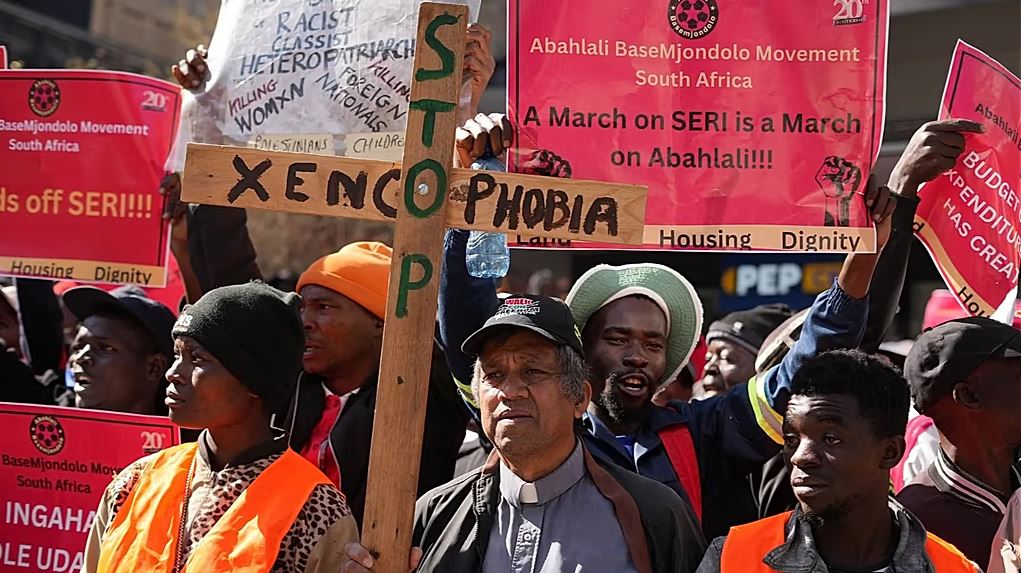
A diplomatic confrontation between two of Africa's most prominent democracies erupted this week after Ghana formally summoned South Africa's acting high commissioner over a surge of xenophobic harassment targeting foreign nationals, including Ghanaians, in South African cities. The move signals how street-level anti-migrant sentiment is increasingly capable of fracturing bilateral ties and testing the continent's broader aspirations for solidarity and free movement.
Ghana's Ministry of Foreign Affairs confirmed on Thursday, April 23, 2026, that Acting South African High Commissioner Thando Dalamba was invited for urgent discussions following disturbing incidents captured in widely circulated viral videos. The summoning was ordered directly by Foreign Affairs Minister Samuel Okudzeto Ablakwa, making it one of the most pointed diplomatic protests Accra has lodged against Pretoria in recent memory.
Who triggered the diplomatic crisis and what happened
Foreign Minister Samuel Okudzeto Ablakwa spoke of an incident in KwaZulu-Natal province in which a Ghanaian described as a legal resident was confronted and instructed to leave South Africa and "fix his country." The incident was filmed and spread rapidly across social media platforms, drawing widespread outrage in Ghana and renewing a longstanding debate about the treatment of African migrants in South Africa.
Ablakwa's ministry also warned of escalating tensions, with foreign nationals including Ghanaians being advised to remain indoors for their safety. That advisory, issued by a government to its diaspora community in a fellow African nation, underscores just how seriously Accra is treating the situation.
Ablakwa reminded the South African envoy of Ghana's support for the anti-apartheid struggle and the legacy of Kwame Nkrumah in Africa's liberation history, arguing that attacks on law-abiding foreigners cut against African unity, solidarity, and peaceful coexistence.
Who is South Africa's acting police minister and what response did Pretoria give
South Africa's authorities strongly condemned the attacks, describing them as unlawful and unacceptable. Acting Police Minister Firoz Cachalia said the violence, including looting and intimidation, threatens both the rule of law and the country's constitutional principles.
Foreign Minister Ronald Lamola echoed the stance, warning that such acts have no place in a constitutional democracy and pose a risk to national stability. Law enforcement agencies have been placed on high alert, with clear instructions to identify and arrest anyone involved in xenophobic acts.
The police ministry stated that South Africa is a constitutional state governed by the rule of law and that no individual or group has the authority to take the law into their own hands, irrespective of grievances or frustrations.
This week, KwaZulu-Natal provincial police commissioner General Nhlanhla Mkhwanazi also warned against the rising trend of civilian-led crackdowns on immigration.
Who is organizing the anti-migrant movement in South Africa
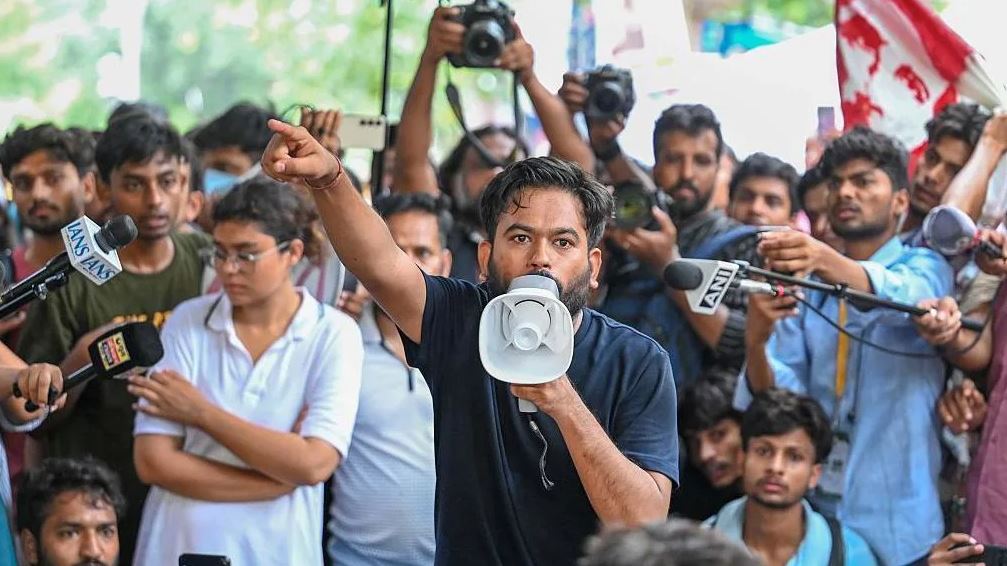
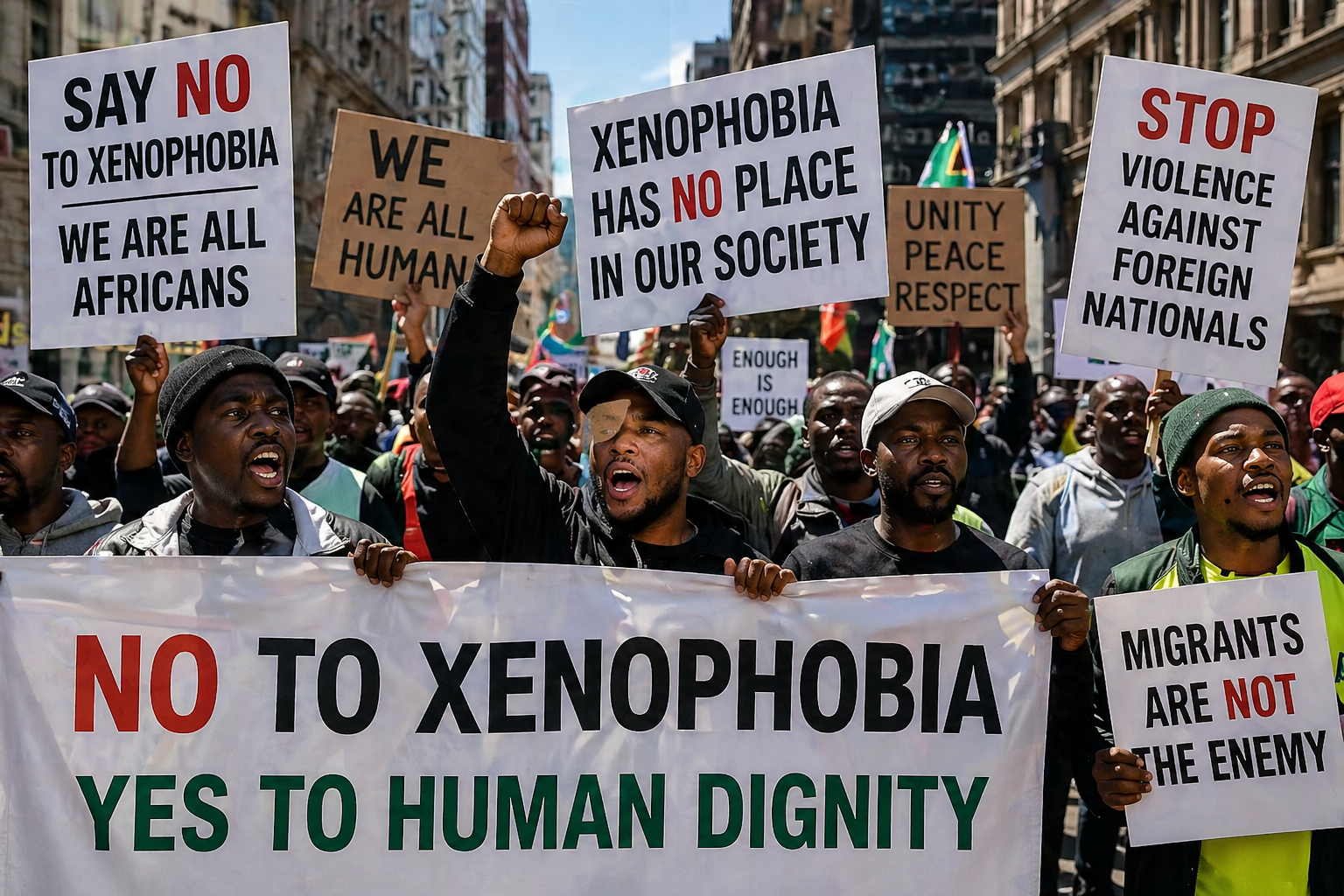
Several anti-foreigner protests have occurred in South Africa, primarily in Durban and East London, with incidents also common in Johannesburg. Protests organised by movements such as March and March and Operation Dudula usually target foreign shop owners, while people suspected of being foreign nationals are unlawfully asked to produce their documents.
Previously, the South African government launched legal action against key anti-immigration groups, including the March and March Movement, Operation Dudula, and the MK Party, accusing them of inciting violence against illegal foreign nationals in January 2026.
The 2026 iteration of xenophobic unrest is characterized by its digital nature, with anti-foreigner sentiment being organized and amplified through encrypted messaging apps.
Who bears the economic burden that is fuelling anti-migrant sentiment
South Africa, the continent's most industrialised economy, has long been a destination for both legal and undocumented African workers. Now saddled with an unemployment rate of over 30 percent, it has seen repeated spurts of xenophobic and anti-migrant protests, and occasionally violence.
Youth unemployment remains above 45 percent, providing a fertile breeding ground for populist narratives that scapegoat migrants for the lack of jobs and service delivery failures. Campaigners for migrant rights have consistently argued that foreign nationals are not the cause of South Africa's structural economic failures, but they remain the most visible target when public frustration peaks.
Official statistics from 2022 indicate that about 2.4 million foreign-born individuals live in South Africa, representing roughly four percent of the population. That figure, modest by international standards, is routinely cited in anti-migrant rhetoric as evidence of an immigration crisis that the data itself does not support.
What this means for African integration and the AfCFTA
The incident has cast a shadow over the African Continental Free Trade Area aspirations, which rely on the free and safe movement of people across the continent. When governments must summon envoys to demand basic safety guarantees for their citizens in neighboring countries, the political infrastructure needed to sustain free trade and open borders becomes considerably harder to build and defend.
The summoning of Dalamba was more than a diplomatic rebuke. It was a warning that what begins as street-level xenophobia can become a regional test of whether African governments can protect migrants, preserve trust, and keep old solidarity from collapsing under new tensions.
South Africa's promises of crackdowns have been made before. The country recorded major outbreaks of xenophobic violence in 2008, 2015, and 2019, each followed by government condemnations and enforcement pledges that ultimately failed to prevent the next cycle. Whether Pretoria's response this time translates into sustained policing action, or remains a diplomatic containment exercise, will determine whether this episode marks a genuine turning point or another entry in a long and troubling pattern.