Streets across major European capitals are filled with frustrated citizens demanding immediate economic relief. What began as localized student demonstrations over overcrowded classrooms in France has snowballed into the massive Europe protests cost of living 2026 movement. From Paris and Lisbon to Rome and Athens, public anger is boiling over. People are tired of watching their purchasing power vanish while governments struggle to respond. Understanding the roots of this unrest reveals deep structural flaws in modern European economies.
European Countries with Biggest Protests Right Now
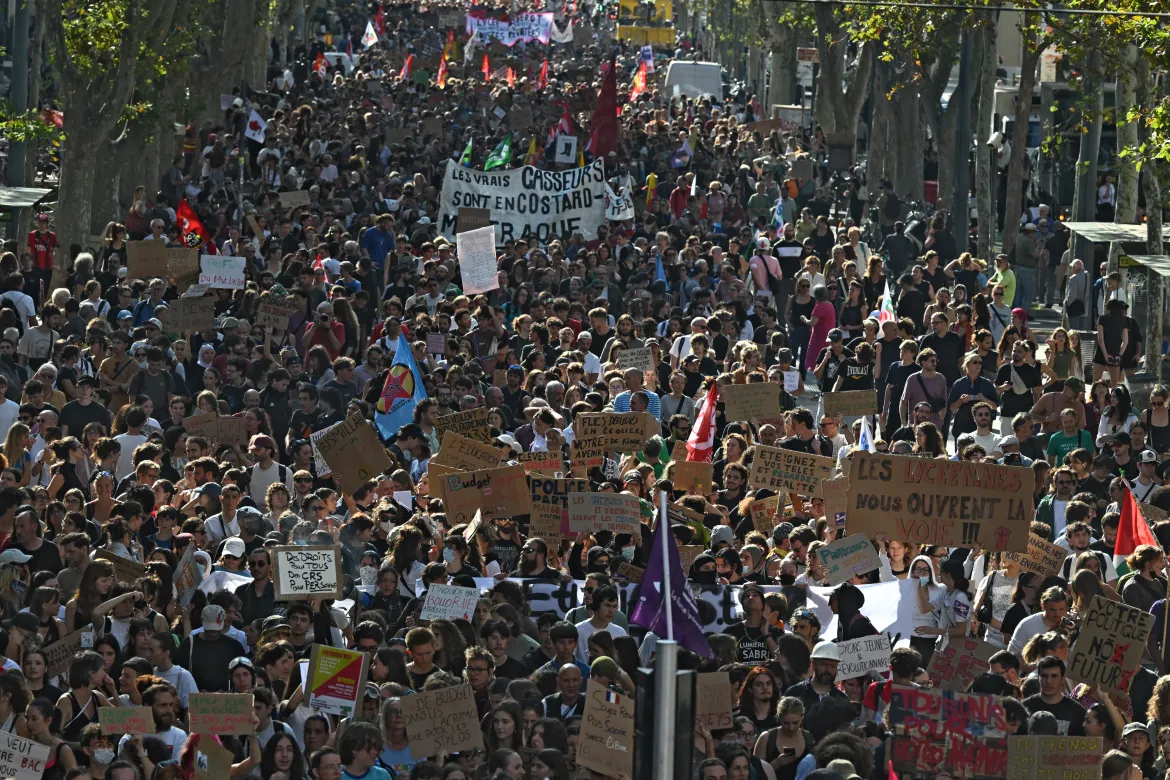
Public demonstrations are taking different shapes across the continent, but the underlying frustrations remain remarkably similar. France has seen months of sustained unrest. Student unions and labor groups organized nationwide strikes, shutting down transport hubs and staging university blockades to protest decaying public infrastructure and teacher shortages.
Meanwhile, Greece recently witnessed thousands of teachers and students walking out of classrooms to demand better wages and increased education funding. Protesters in Albania have spent consecutive weeks clashing with police over government corruption and living standards. In Spain, Portugal, and Italy, citizens are organizing massive rallies focused primarily on exorbitant rent hikes and stagnant pay scales.
Why Are People Protesting Across Europe?
The current wave of demonstrations is not about a single policy or a temporary market dip. Official statistics from Eurostat show that everyday items like food, energy, transport, and utility bills have surged by between 59 and 78 percent since 2000 across France, Italy, Spain, and Portugal.
Spain recorded the steepest increase at 78 percent, followed closely by Portugal at 71 percent, Italy at 68 percent, and France at 59 percent. While inflation hovered around two percent annually for years, the energy shocks following geopolitical conflicts in 2022 caused living costs to spike dramatically. Prices jumped by 12 to 15 percent between 2021 and 2023 alone.
Wages have failed to catch up with these compounding price hikes. Although inflation has slowed down, prices never actually drop. Households find themselves paying double for basic groceries and energy while their monthly paychecks remain largely flat. This widening gap sits at the center of the Europe protests cost of living 2026 phenomenon.
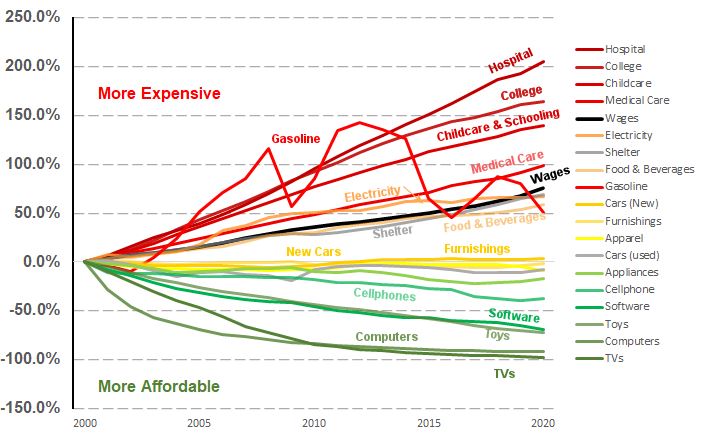
Image Source: inflationdata.com
The Boiling Point Behind Europe Housing Crisis Protests
Beyond everyday groceries and utility bills, soaring property markets have pushed urban populations to the breaking point. The OECD price-to-income ratio reveals that buying a home has become significantly harder across the region, fueling widespread Europe housing crisis protests.
Portugal: Experienced the sharpest recent surge, with price-to-income ratios jumping by 67 percent since 2015 alone.
Spain: Recorded a 56 percent increase compared to 2000 levels, driven heavily by tourism booms and speculative real estate investments.
France: House prices sit 39 percent higher than at the turn of the century, pricing younger generations entirely out of major cities.
Young professionals and students express a common sentiment during these rallies. They no longer expect to achieve the same financial stability as their parents. Rent consumes half or more of an entry-level salary, leaving zero room for savings or long-term planning.
Declining State Support and Public Services
Protesters are also directing their anger at shrinking state investments in critical social sectors. Public spending on education has stagnated or dropped as a percentage of gross domestic product across several countries. Classrooms are overcrowded, hospitals face severe staffing shortages, and social safety nets feel increasingly threadbare.
Political leaders from across the ideological spectrum, from conservative centrists to populist right and left parties, find themselves caught in the crossfire. Citizens argue that governing elites are completely detached from everyday economic realities.
Explore the More story and facts: Read More..