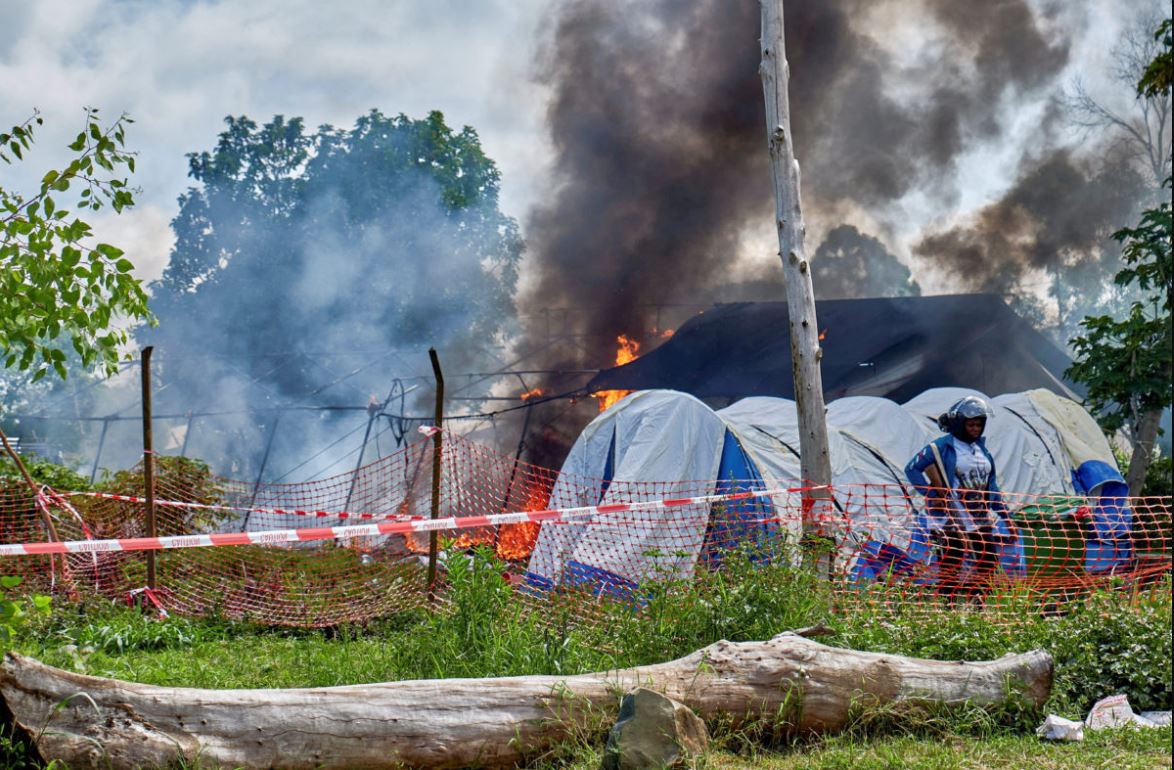
On Thursday, May 21, 2026, residents set fire to an Ebola treatment center in Rwampara, a town at the heart of a worsening outbreak in eastern Congo, after being stopped from retrieving the body of a local man. The incident has sent shockwaves through the global health community and raised urgent questions about how containment efforts can survive in the face of deep cultural conflict.
The World Health Organization warned Friday that violence is now actively impeding efforts to contain the deadly outbreak. This attack is not just a local tragedy. It is a warning sign about the fragile line between science and community trust during a health emergency.
What Happened at the Rwampara Ebola Center
Local youths attempted to retrieve the body of a friend who had reportedly died of Ebola. Police intervened to calm the situation but were unsuccessful. The young people ended up setting fire to the center.
Key facts from the scene:
- An on-the-ground reporter saw people break into the building and torch items inside, as well as what appeared to be the body of at least one suspected Ebola victim.
- Aid workers were seen fleeing the center in vehicles.
- Hama Amadou, field coordinator for the humanitarian organization ALIMA, which had teams working at the center, said later that calm had been restored and aid teams were continuing their work.
- Deputy Senior Commissioner Jean Claude Mukendi stated that the youths had not understood the protocols for burying a suspected Ebola victim, noting that all bodies must be buried according to health regulations.
The tension here is real and deeply human. Grief does not follow a containment protocol. Families want their loved ones back. But Ebola does not negotiate with grief.
Why the Bundibugyo Strain Makes This Outbreak Especially Dangerous
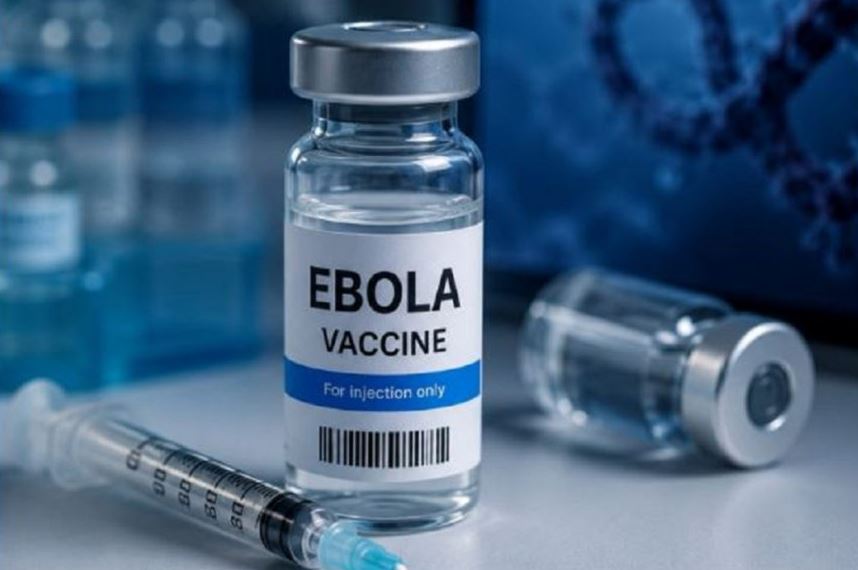
Health authorities say the outbreak is being fuelled by the Bundibugyo strain, a type of Ebola virus for which no vaccine or treatment currently exists. That single fact changes everything about how this crisis must be managed.
On May 5, 2026, the WHO received an alert regarding an unknown illness with high mortality in Mongbwalu Health Zone, Ituri Province, including reports of four health workers who died within four days. Within days, the scale of the situation became clear.
The WHO Director-General determined that the Ebola disease caused by Bundibugyo virus in the DRC and Uganda constitutes a public health emergency of international concern (PHEIC), noting that unlike Ebola-Zaire strains, there are currently no approved Bundibugyo-specific therapeutics or vaccines.
The numbers are escalating rapidly:
- As of May 20, the WHO confirmed 600 suspected cases and 139 suspected deaths.
- Over 500 suspected cases and 130 deaths had already been reported by May 19, with 30 laboratory-confirmed cases. Most cases have occurred in Ituri Province.
- Uganda confirmed two cases in Kampala, including one death, both linked to travel from DRC.
- One American citizen was exposed to the virus in a healthcare setting in DRC and, along with six high-risk contacts, is being medically evacuated to a special isolation ward in Germany.
The disease has been spreading for weeks in a region lacking adequate health facilities where many people are on the move to escape armed conflicts. Displacement, mining-related population movement, and frequent cross-border travel are all fueling transmission in ways that are extremely difficult to control.
Why Burial Practices Create Deadly Risk
Because the bodies of Ebola victims remain highly infectious, Congolese officials and international health agencies insist that burials be conducted by specialized teams wearing protective gear. Traditional funeral practices, which often involve washing and touching the body and large gatherings of mourners, are considered high risk for transmission.
This is where science and culture collide most painfully. In many Congolese communities, washing and preparing a body is an act of love and respect. Telling families they cannot touch their dead feels like a second injury on top of an unbearable loss. Health workers are not wrong to enforce safe burial. And communities are not wrong to feel that something sacred is being taken from them. Both things are true. That is exactly what makes this so hard.
WHO experts believe the outbreak may have begun a few months ago, with the first suspected death reported on April 20. A suspected super-spreader event is believed to have taken place at either a funeral or a healthcare facility, though investigations are ongoing. The very practice of communal mourning may have ignited this entire crisis.
The History of Violence Against Health Workers in Eastern Congo
This is not the first time a treatment center in eastern Congo has been attacked. The ongoing insecurity, humanitarian crisis, and high population mobility further compound the risk of spread, as was witnessed during the large Ebola epidemic in North Kivu and Ituri provinces in 2018 to 2019.
During that earlier epidemic, treatment centers were repeatedly attacked, aid workers were killed, and the resulting disruptions helped the outbreak become one of the deadliest in DRC history. History appears to be threatening a repeat.
What the Global Response Looks Like Now
Response measures include deployment of rapid response teams, delivery of medical supplies, strengthened surveillance, laboratory confirmation, infection prevention and control assessments, the setup of safe treatment centers, and community engagement.
The CDC has mobilized response activities and is actively working to support the DRC and Uganda Ministries of Health. The CDC notes that Ebola spreads through direct contact with the bodily fluids of an infected person and does not spread through casual contact or air, and that the risk to the American public remains low.
The ECDC is deploying an expert from the EU Health Task Force to Africa CDC headquarters to support coordination and operational planning, and assesses the likelihood of infection for people living in the EU to be very low.