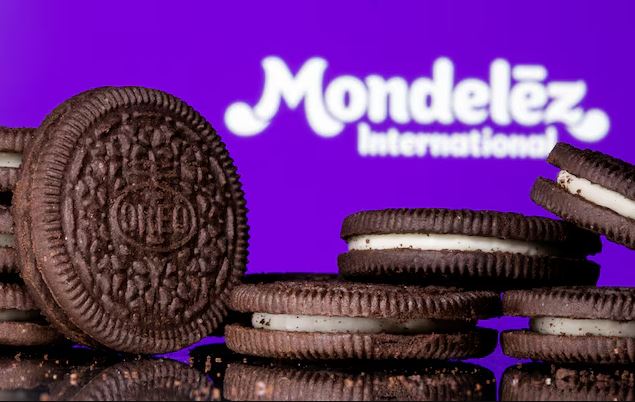
Oreo biscuit by Mondelez is one of the world's best-known cookie brands, but its parent company, Mondelez International, has faced a series of consumer lawsuits over how some Oreo products are labeled and marketed. The disputes have covered claims about cocoa, sustainability and the meaning of terms used on packaging.
These cases are important because they show how a global food company manages legal challenges when consumers question whether product descriptions match their expectations. They also demonstrate an important distinction between an allegation and a court finding. In several cases, courts rejected claims against Mondelez. In the most recent sustainability-related litigation, however, some claims remained active as of the latest court ruling.
For consumers searching for information about Oreo, the key question is not simply whether the company was sued. It is what customers alleged, how Mondelez responded and what the courts ultimately decided.
The “Real Cocoa” Oreo Lawsuit
One of the clearest examples came from a 2019 class action involving the phrase “Always Made With Real Cocoa” on Oreo packaging.
The plaintiffs argued that the statement was misleading because the cocoa used in the cookies had been treated with an alkalizing process. They argued that consumers could understand “real cocoa” to mean cocoa that had not undergone that type of processing. The plaintiffs also claimed that the labeling helped justify a higher price.
Mondelez challenged the lawsuit and sought dismissal.
In July 2020, the U.S. District Court for the Eastern District of New York dismissed the case with prejudice. The court noted that the plaintiffs did not dispute that the cookies were made with cocoa. The court therefore rejected the central theory that the packaging statement was sufficiently misleading.
For Mondelez, the outcome was significant. The company did not need to settle the case or pay damages because the lawsuit was dismissed.
What the case means
The ruling did not establish that every consumer interpretation of food labeling is reasonable. Instead, it addressed the particular claim and allegations presented in that lawsuit.
That distinction matters when evaluating newer Oreo legal disputes. A lawsuit can attract attention without proving that a company violated the law.
The Fudge-Covered Oreo Challenge
A different dispute focused on Fudge Covered Mint Crème OREO cookies.
In 2021, Christopher Leonard filed a proposed class action against Mondelez Global. He argued that the “Fudge Covered” description could lead consumers to expect traditional fudge containing dairy fat or butter. According to the complaint, the coating instead used vegetable oils and other ingredients.
Mondelez again sought dismissal.
This time, the company won in federal court in New York. On March 8, 2023, Judge Paul A. Crotty dismissed the complaint with prejudice. The court concluded that the product's labeling would not necessarily cause a reasonable consumer to believe that the coating had to contain milkfat or butter.
The case therefore ended without a finding that Mondelez had deceptively marketed the product.
For the company, the strategy was straightforward: challenge whether the complaint had established a legally sufficient deception claim. The court ultimately agreed.
The Bigger Fight Over Sustainable Cocoa
The more significant recent challenge concerns the sustainability claims appearing on Oreo packaging.
Mondelez has promoted its Cocoa Life program and used statements including “100% Sustainably Sourced Cocoa” on Oreo products. Consumer lawsuits have challenged what those statements mean, particularly in relation to cocoa sourcing and the company's use of a mass-balance accounting system.
In the litigation, plaintiffs alleged that cocoa from Cocoa Life farms can be mixed with other cocoa beans, making it difficult to identify the precise physical cocoa contained in an individual package.
Another plaintiff alleged that the sustainability representations did not accurately reflect labor and environmental conditions in the cocoa supply chain. The allegations included concerns about child labor, environmental damage and sourcing practices. These are allegations made in litigation and should not be presented as established facts against Mondelez.
How Mondelez responded
Mondelez has challenged the litigation rather than simply accepting the allegations.
The cases were transferred and brought before the U.S. District Court for the Northern District of Illinois. Mondelez also sought to consolidate related cases. In December 2025, Judge Lindsay C. Jenkins declined to consolidate the cases because doing so would prejudice one of the plaintiffs.
More importantly, the judge did not dismiss the sustainability-related claims entirely.
The court ruled that some claims lacked standing, including claims involving products the plaintiff had not purchased and a request for injunctive relief. But the court found that the plaintiff had otherwise alleged a plausible misrepresentation. The relevant consumer-protection and derivative claims therefore survived the motion to dismiss.
That means it would be inaccurate to say Mondelez has already “overcome” the sustainable-cocoa lawsuits. The company successfully defeated some aspects of the litigation, but the core dispute had not been completely resolved by the latest ruling identified here.
What This Means for Oreo Customers
For consumers, these lawsuits reveal three different types of disputes.
Real cocoa: The 2020 case was dismissed.
Fudge-covered labeling: The 2023 case was dismissed with prejudice.
Sustainable cocoa: Related litigation remained active after the December 2025 ruling.
The cases also show why customers should distinguish between product safety allegations, marketing disputes and sustainability claims. None of the cases above establishes that Oreo cookies contain cancer-causing flame retardants.
That point is particularly important because online claims about Oreo products can mix unrelated allegations together. A lawsuit concerning cocoa sourcing does not prove that a cookie contains a dangerous chemical. Likewise, a labeling dispute does not automatically establish consumer fraud.
What About New Oreo Flavors?
The legal disputes have not stopped Mondelez from developing its brand. New Oreo products and different Oreo flavors continue to form part of the brand's broader strategy to maintain consumer interest.
From a business perspective, this matters because established food brands increasingly operate under two pressures. They need to create new products while ensuring that marketing claims can withstand scrutiny from consumers, regulators and courts.
For Mondelez, the lawsuits therefore represent more than individual legal complaints. They highlight the growing importance of transparency in food labeling, sustainability messaging and consumer expectations.
Did Mondelez Actually Win the Oreo Lawsuits?
The answer depends on which case is being discussed.
Mondelez secured clear victories in the “Real Cocoa” and “Fudge Covered” disputes because the courts dismissed those cases. The sustainability litigation is different. The company succeeded in getting some claims dismissed or limited, but the court allowed important allegations concerning the sustainability representations to proceed.
That record suggests a more complicated story than either “Oreo misled customers” or “Mondelez defeated every lawsuit.”
The strongest conclusion is that Mondelez has repeatedly defended its labeling in court, winning some cases while continuing to contest others.
What Consumers Should Take From the Cases
The Oreo lawsuits offer a useful lesson for consumers and businesses alike: packaging language matters.
Words such as “real,” “fudge” and “100% sustainably sourced” can carry expectations that extend beyond an ingredient list. When consumers believe those expectations have not been met, litigation can follow.
For a company as large as Mondelez, the response involves more than defending a single product. It involves protecting brand credibility, managing legal exposure and explaining sourcing and marketing practices.
The court record also shows why responsible reporting is essential. Allegations in a complaint are not evidence of guilt, and a dismissed lawsuit is not proof that every criticism of a company is unfounded.
The Oreo story is therefore best understood as an ongoing corporate and legal case study. Mondelez has successfully defended itself against some consumer-labeling lawsuits, while other sustainability-related claims have continued through the courts.
Conclusion
Overall, the legal history surrounding Oreo highlights a nuanced reality rather than a simple win-or-lose narrative. Mondelez has successfully defended several key labeling lawsuits, reinforcing that courts did not find its packaging misleading in those instances. At the same time, ongoing sustainability-related litigation shows that questions about sourcing claims and marketing language are still being tested in court.
For consumers, the takeaway is that lawsuits alone do not define a product’s safety or integrity. Instead, they reflect evolving expectations around transparency, advertising language and corporate responsibility. As long as major food brands continue to innovate and market global supply chains, legal scrutiny is likely to remain part of the conversation.