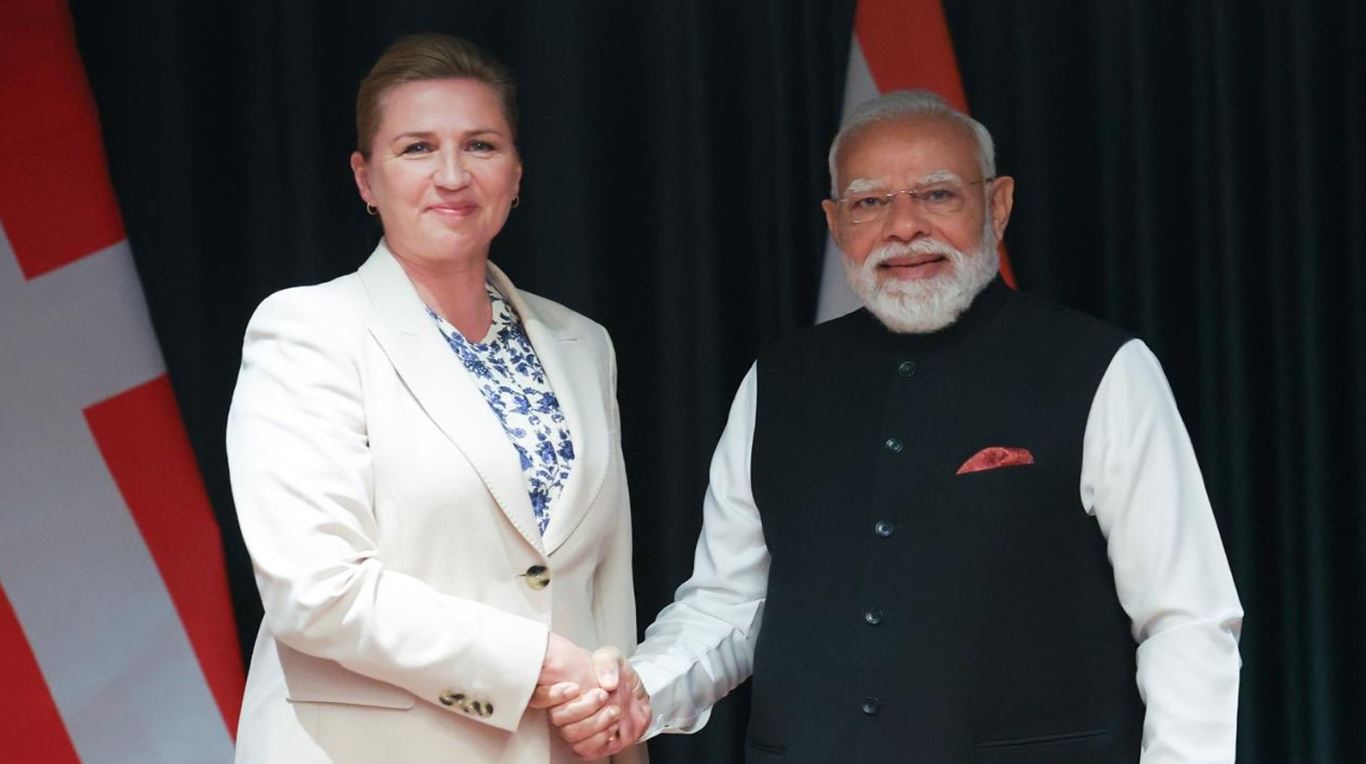
Today's bilateral meeting between Prime Minister Narendra Modi and Danish Prime Minister Mette Frederiksen in Oslo is not a routine diplomatic courtesy. It is one node in a carefully constructed strategic architecture that India has been building with Northern Europe at a moment of profound global realignment. The meeting comes just months after India and the European Union signed a free trade agreement, and a year after India signed a trade and economic partnership agreement with Iceland, Liechtenstein, Norway, and Switzerland. The timing is deliberate, and the stakes extend well beyond bilateral trade figures.
The Strategic Logic Behind Oslo
India's trade with the Nordic countries reached almost USD 19 billion in 2024, with over 700 Nordic companies operating in India and 150 Indian companies present in the Nordic region. Those numbers represent a foundation, not a ceiling. What Modi's Oslo visit signals is that New Delhi now treats the Nordic bloc as a strategic partner, not merely a commercial one.
The Nordics are a very advanced regional bloc of five small countries with a combined gross domestic product of around USD 2 trillion, according to analysts at the Observer Research Foundation. India intends to extract value from each country's distinct strengths:
- Norway's leadership in the blue economy, maritime technology, and offshore energy
- Denmark's expertise in wind energy, green shipping, and sustainable infrastructure
- Sweden's industrial and defence innovation capabilities
- Finland's strengths in digital infrastructure and telecommunications
- Iceland's geothermal energy and carbon capture technologies
Modi's attendance at the summit also marks the first visit by an Indian prime minister to Norway in 43 years, since Indira Gandhi in 1983, a detail that underlines how dramatically the diplomatic calculus has shifted.
The Modi-Frederiksen Meeting: What Was Agreed
PM Modi emphasised "fruitful conversations" and highlighted that one of the most important outcomes was the upgrading of the bilateral partnership to a green strategic partnership, which will strengthen cooperation in clean energy, sustainable growth, the blue economy, and green shipping, as well as several other areas.
The meeting also covered:
- Deepening collaboration in innovation, research, and education
- Health services and skills development exchanges
- A reaffirmation of the Green Strategic Partnership commitment that both leaders had discussed during a telephonic conversation in September 2025
For Denmark, which has positioned itself as a global leader in wind energy and maritime decarbonisation, aligning with India's massive renewable expansion program offers both commercial access and geopolitical relevance.
Green Transition as Geopolitical Currency
India is stepping up engagement with Europe's northern economies, particularly in areas linked to green transition, innovation, and emerging technologies, and the India-Denmark relationship sits at the centre of this push. India needs clean technology at scale. Denmark has it. That convergence defines the partnership more than any diplomatic communique can.
The summit features expansive, multi-sector negotiations where leaders from the five Nordic countries hold talks with India on trade, technology, renewable energy, defence, and global issues, highlighting a shared commitment to building sustainable economic security across the regions.
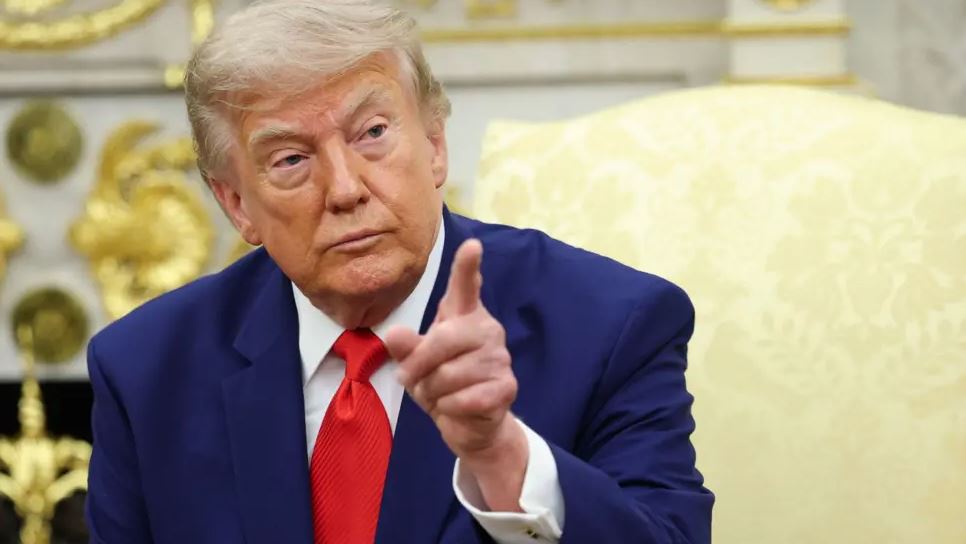
The geopolitical backdrop amplifies every agreement signed here. Russia's ongoing war on Ukraine, United States President Donald Trump's tariffs on global imports, and the US-Israel war on Iran have all impacted India's economy and energy security, and New Delhi has been trying to widen its relations with many other countries in the West.
The India-EU FTA: What It Changes
On January 27, 2026, the European Union and India signed a Free Trade Agreement in New Delhi, bringing to a close nearly 20 years of negotiations. It will bring together two economies representing roughly a quarter of the world's population, 25% of global GDP, and a combined market of almost two billion people. The FTA aims to double EU exports to India by 2032.
EU Commission President Ursula von der Leyen described the agreement as the "mother of all deals," a characterisation that reflects both its economic scale and its geopolitical weight. The conclusion of the deal has been driven in large part by shifting geopolitical pressures from Washington and Beijing, which have forced both Brussels and New Delhi to reassess their strategic positioning.
The Arctic Dimension and Long-Term Power Dynamics
Oslo is not only about trade and clean energy. China has been trying to increase its presence in the Arctic region through its "Polar Silk Road" initiative, which aims to develop new shipping routes and help Beijing secure control of natural resources. Since 2022, the Arctic Council has faced security challenges due to Russia's war in Ukraine, with Moscow beefing up its military capabilities near Nordic borders.
India's engagement with the Nordic bloc directly addresses this. With all five Nordic states as Arctic Council members, the summit also aims to establish a dedicated India-Nordic Arctic cooperation mechanism. The Nordic countries have consistently supported India's permanent membership in a reformed UN Security Council.
In contrast to US President Donald Trump's unprecedented unpredictability, Europe has positioned itself as a reliable partner, shedding its past hesitations on engaging with India. New Delhi has warmed up to Europe as it looks for capital for investment, destinations for its people, and technology to power its growth.
The pattern is unmistakable. India is constructing a diversified alliance network that reduces dependence on any single power while maximising access to capital, technology, and markets. The Modi-Frederiksen meeting is one piece of that architecture, but it is load-bearing.