What Is Happening Between India and Russia on Critical Minerals
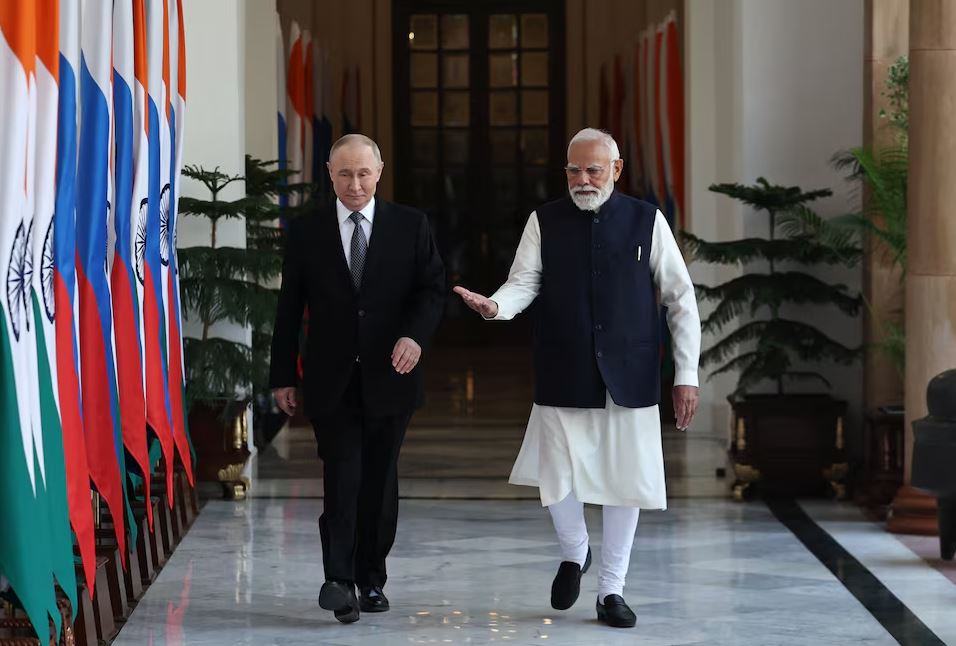
India and Russia are in advanced talks to sign a preliminary agreement on critical minerals covering exploration, processing, and technological collaboration. The deal is expected to focus on lithium and rare earths, with both governments set to facilitate corporate investments. The agreement could be signed within two months, according to sources familiar with the matter.
This is not a routine trade arrangement. It is a calculated geopolitical manoeuvre by two nations responding to the same structural pressure: China's stranglehold on global mineral supply chains.
Why India Is Pursuing This Deal Now
For India, a one-sided dependence on Chinese critical mineral imports poses a clear vulnerability, especially for minerals like lithium, nickel, and cobalt, where India is 100 percent import dependent.
India is keen to cut its dependence on China, which dominates global supplies of several key minerals and has advanced mining and processing technology, and to secure new overseas supplies to support its energy transition and infrastructure development. In 2023, the government identified more than 20 minerals, including lithium, as critical for its energy transition and rising industrial and infrastructure demand.
India's Ministry of Mines is leading the negotiations. India has shared a draft of the proposed agreement with Russian counterparts. New Delhi's urgency is real. Its EV sector, semiconductor ambitions, and defence modernisation all depend on uninterrupted mineral access.
What Russia Brings to the Table
Russia, hosting an estimated 28.7 million tonnes across 15 rare earth metals, has emerged as a player of strategic value, with 22 percent of global rare earth resources. Russia has announced plans to scale up lithium production to 60,000 metric tonnes annually by 2030, while mining remained minimal at just 27 tonnes in 2023.
Moscow's pitch to New Delhi is clear: vast reserves, a willingness to share technology, and a mutual interest in sidelining Western-aligned supply chains. Russia possesses vast reserves of lithium, cobalt, and rare earths in Siberia and the Far East.
The China Factor Driving Both Sides
China currently supplies 90 percent of the world's rare earths and dominates global production of rare earth magnets and elements like samarium, neodymium, and dysprosium. Chinese curbs on the export of seven rare earth minerals amid trade tensions with the US have already hit India's automobile sector.
Both India and Russia see mineral cooperation as a hedge. Russia diversifies revenue beyond oil and gas. India diversifies away from Beijing. The alignment of interests is structurally sound even if the geopolitics remain complicated.
How Far Has India Gone in Securing Mineral Assets
India has had limited success in securing overseas critical minerals assets and has so far signed only a single lithium exploration and mining project agreement, covering five blocks in Argentina in 2024. New Delhi has also signed a series of agreements this year with countries including Germany, Brazil, and Canada to strengthen access to technology and partnerships.
A Russia deal would represent a significant acceleration. It would also be India's first major mineral partnership with a country under Western sanctions, which carries its own diplomatic risk calculus.